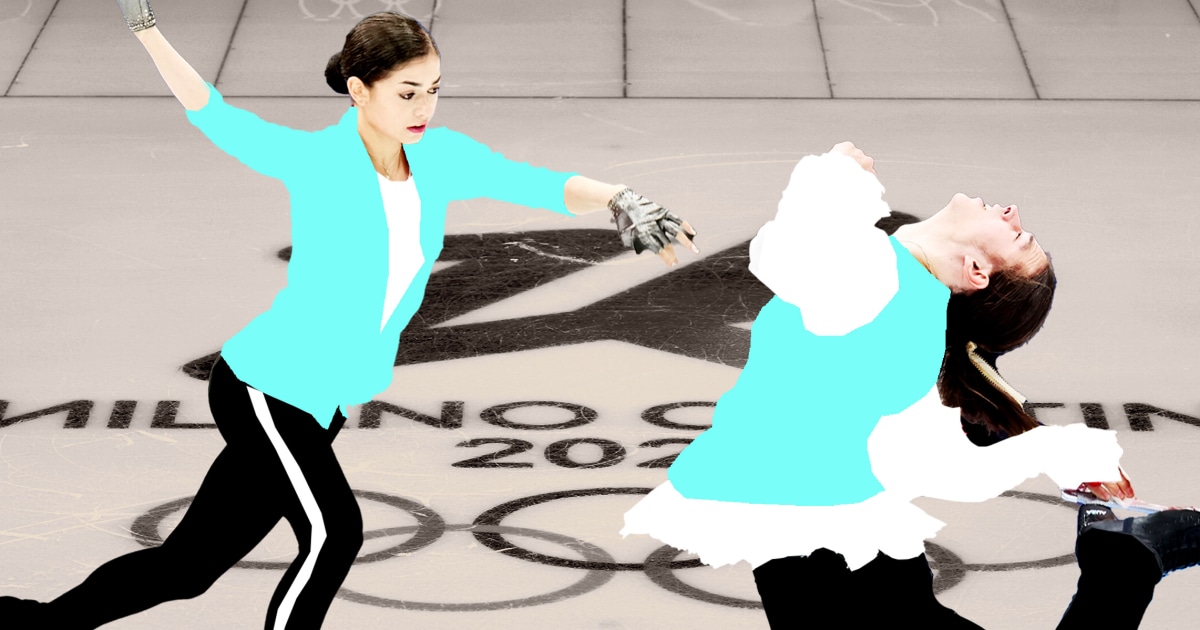
The decision to exclude national teams from Russia and Belarus from the 2026 Winter Olympics, hosted in Milan Cortina, represents a profound and complex administrative measure within the global framework of international sports governance. This marks a continuation of a policy established in recent years, making the Milan Cortina Games the second consecutive Olympic event where athletes will not compete under the Russian national flag. Such policies underscore the International Olympic Committee’s (IOC) role as the supreme authority in overseeing the Olympic Movement, allowing it to implement measures deemed necessary to uphold the integrity and principles enshrined in the Olympic Charter.
The concept of “sanctions” in international sports, as applied in this context, refers to administrative restrictions or prohibitions imposed by governing bodies rather than judicial findings of criminal responsibility. These measures are typically enacted to address significant breaches of international norms or to maintain the perceived neutrality and unity of the Olympic Games amidst complex geopolitical challenges. The specific scope of such sanctions—whether targeting national participation, limiting funding, or restricting the use of national symbols—is determined by the relevant sports organizations based on their own governance frameworks.
The framework allowing Individual Neutral Athletes (AINs) to participate in the upcoming Games is a carefully constructed mechanism designed to navigate the intricate balance between collective national accountability and individual athlete rights. For the Milan Cortina Games, thirteen Russian athletes have reportedly been cleared to compete under this neutral designation. This status is not a simple bypass of the national ban but rather a distinct form of participation governed by stringent eligibility and conduct criteria.
Under the AIN framework, athletes are rigorously vetted by international federations and ultimately by the IOC. This process typically involves comprehensive assessments to ensure that individual athletes have not actively supported policies or actions that led to the imposition of national sanctions. Furthermore, AINs are prohibited from displaying any national symbols, including flags, emblems, or anthems, on their uniforms, equipment, or during official ceremonies. Their presence is meant to be individual and apolitical, distinct from representing a national entity.
The implementation of the AIN model carries significant implications for national sports programs. When a National Olympic Committee (NOC) is suspended or its athletes are restricted to neutral status, the entire national sports infrastructure—including funding, coaching, and international representation at a team level—is profoundly affected. This creates a challenging environment for athlete development, as the traditional pathways of national team selection and participation in international competitions are disrupted or fundamentally altered, potentially impacting long-term athletic careers and the continuity of national sporting traditions.
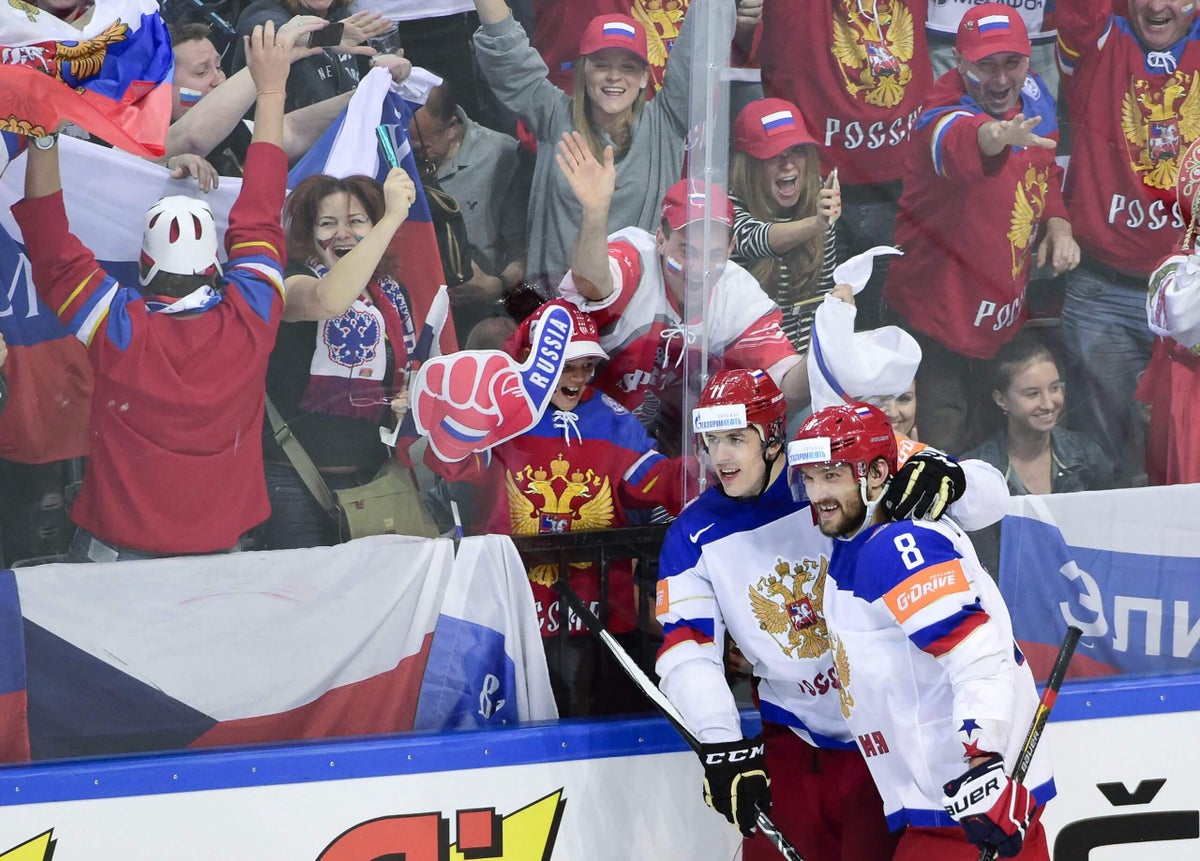
The specific example of Russia’s national hockey team highlights the broader impact of such exclusions on team sports. Historically, Russia has been a dominant force in international ice hockey, and its absence from the Olympic tournament leaves a notable void in the competitive structure. The exclusion impacts not only the athletes who cannot represent their nation but also the strategic preparations of other national teams, which might typically factor a formidable Russian contingent into their competitive planning. The narrative surrounding the Olympic hockey tournament shifts, as does the global media focus on potential medal contenders.
Concurrently, the 2026 Winter Olympics will mark the highly anticipated return of National Hockey League (NHL) players to the Olympic stage after a 12-year absence. This development signifies the culmination of extensive negotiations and agreements between the IOC, the International Ice Hockey Federation (IIHF), and the NHL, reflecting a strategic alignment of interests to bring the world’s top professional hockey talent to the Games. The presence of NHL players significantly elevates the professional caliber and global appeal of the men’s ice hockey tournament, despite the altered national team landscape.
The decision-making processes for such significant policies are deeply embedded within the hierarchical structure of international sports governance. The IOC, as the overarching body, sets the fundamental principles and overarching policies for the Olympic Games. Under its umbrella, National Olympic Committees (NOCs) are responsible for organizing their national teams, and International Federations (IFs) govern their respective sports globally, including setting specific eligibility rules for competitions. The imposition of sanctions and the establishment of neutral athlete pathways typically involve complex deliberations across these layers, balancing diverse stakeholder interests and adhering to established charters and regulations.
The sustained nature of these restrictions, now extending to a second consecutive Olympic Games for Russian athletes under a neutral flag, indicates an evolving administrative posture by international sports organizations. This continuity reflects a deliberate strategy to address ongoing circumstances through a consistent policy framework, rather than a one-off response. It signals to national sporting bodies and athletes globally the importance of adherence to international sporting norms and the potential consequences of perceived non-compliance.
From a media and public perception standpoint, the participation of Individual Neutral Athletes generates complex discussions. While it allows individual athletes to compete, it inherently draws attention to the broader geopolitical context that led to the national ban. Media coverage often grapples with how to present these athletes—acknowledging their individual achievements while also explaining the unique circumstances of their presence. This requires a nuanced journalistic approach, emphasizing factual reporting on their status and performance without implicitly validating or condemning the underlying political decisions.
The presence of neutral athletes also challenges the traditional understanding of national representation in sport, where national pride and identity are central to the Olympic experience. This administrative solution prioritizes the individual’s right to compete, provided strict conditions are met, over the collective national identity, which is temporarily set aside due to external factors. Such an approach reflects the evolving nature of international sports bodies striving to navigate a world where sports and geopolitics increasingly intersect, aiming to preserve the essence of athletic competition while responding to wider global issues.
The operational logistics for hosting bodies, such as the Milan Cortina organizing committee, are also impacted by these policy decisions. While the overall number of athletes might not drastically change, managing the specific protocols for Individual Neutral Athletes—from accreditation to logistical support and the avoidance of national symbols—adds layers of complexity. These considerations extend to everything from village accommodations to medal ceremonies, ensuring strict adherence to the neutrality requirements, which are crucial for maintaining the integrity of the AIN framework.
Ultimately, the scenario at the 2026 Winter Olympics with sanctioned nations and the allowance of Individual Neutral Athletes represents a significant precedent in global sports governance. It illustrates the mechanisms by which international sporting organizations assert their authority to maintain the integrity and values of their events, while simultaneously attempting to provide avenues for individual athletic pursuit. This delicate balance reflects the ongoing challenges faced by international bodies in responding to global events within the specific, non-political mandate of sport, aiming to ensure fairness and uphold the spirit of competition.