Milan-Cortina 2026 Winter Olympics Commences: A Global Spectacle of Sport and Governance
The Winter Olympics 2026 in Milan-Cortina has officially commenced, marking the eagerly anticipated Day 1 of competition. This opening day features a diverse schedule of events, including alpine skiing, curling, speed skating, and ice hockey, signaling the intricate coordination required to launch such a large-scale international athletic endeavor.
The successful orchestration of an Olympic Games is a testament to the extensive administrative and logistical capabilities of the International Olympic Committee (IOC) and the designated Host City Organizing Committee. These entities collaborate to establish the overarching framework for the event, ensuring compliance with international standards for athlete welfare, competition fairness, and global broadcasting.
Day one serves as a critical operational milestone, demonstrating the seamless integration of venue readiness, transportation networks, and communication protocols across multiple distinct sporting disciplines. It underscores the profound institutional commitment required to transition from years of planning to live, simultaneous competitive action on a world stage.
Alpine Skiing Takes Center Stage as First Gold Medals Loom
Men’s Downhill Highlights Early Alpine Action
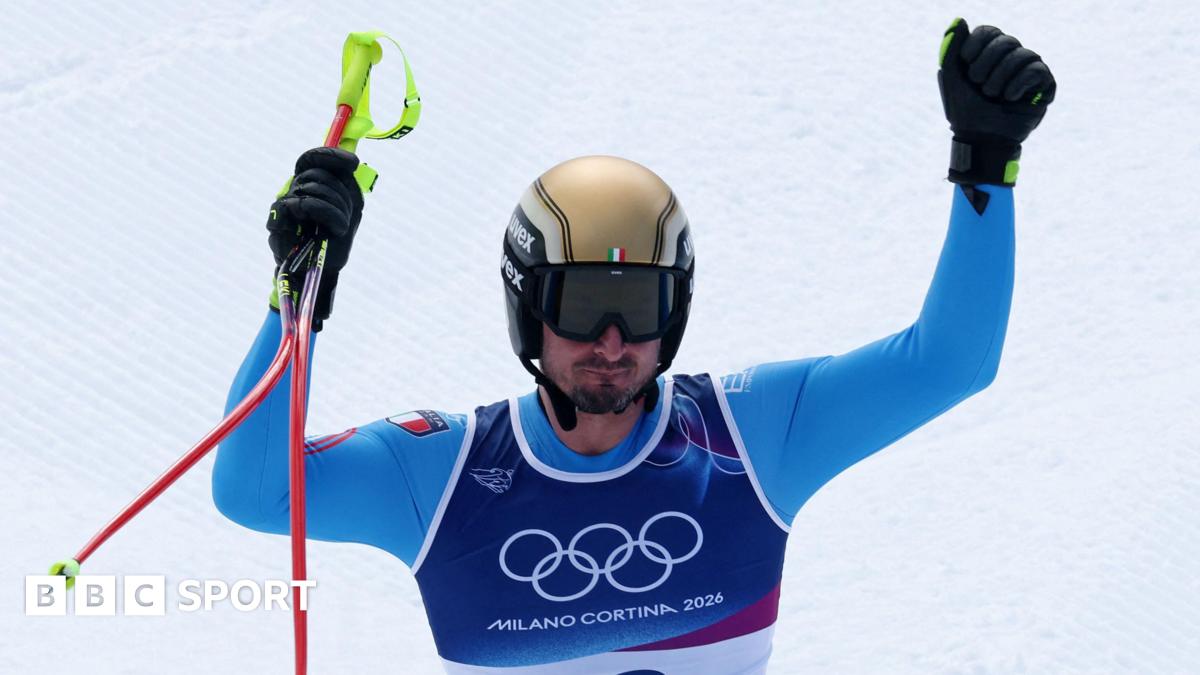
Among the primary events captivating audiences on Day 1 is the men’s downhill alpine skiing competition, where the first gold medal is notably within reach. Early camera footage showed athlete Franjo von Allmen displaying a visible sense of optimism, offering a broad smile and a thumbs-up gesture as the event progressed.
Alpine skiing, governed by the International Ski and Snowboard Federation (FIS), is a cornerstone of the Winter Olympic program, known for its high-speed and technically demanding disciplines. The downhill event, in particular, showcases the pinnacle of speed and precision, requiring athletes to navigate treacherous courses at extreme velocities, making it a dramatic pursuit for early medal contention.
The pursuit of the initial gold medals at the Games holds significant narrative weight, establishing early benchmarks for national teams and individual athletes. This competitive structure is designed to build excitement and immediately highlight exceptional performances, setting the tone for the subsequent days of intense sporting rivalry.
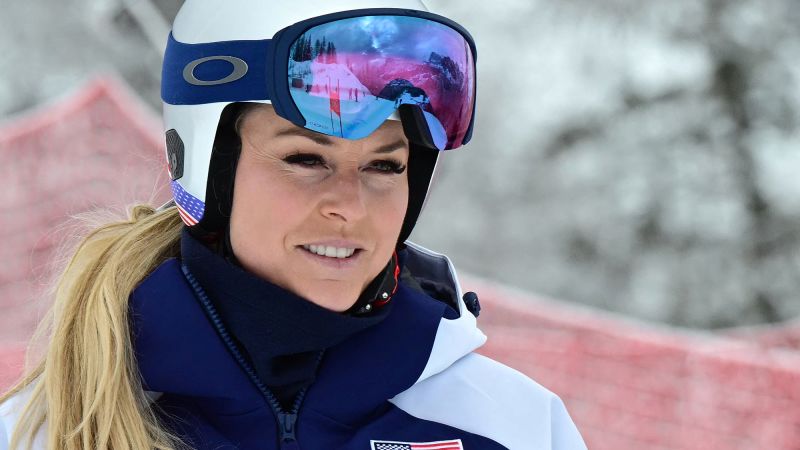
The broadcast also noted the performance of prominent athlete Lindsey Vonn, who was reported to have skied even faster than her prior outing on Friday. Such observations underscore the continuous progression and peak performance demands placed on elite athletes, often involving meticulous adjustments and intense training regimes in the lead-up to and during major competitions.
Diverse Sporting Disciplines Underway Across Milan-Cortina
Beyond alpine skiing, the opening day’s schedule is packed with a variety of winter sports, including curling, speed skating, and ice hockey. Each of these disciplines operates under the specific regulatory and technical oversight of its respective international sports federation, ensuring standardized rules, equipment, and officiating across all Olympic competitions.
The World Curling Federation (WCF) establishes the precise ice conditions, stone specifications, and strategic gameplay parameters that define the sport. Similarly, the International Skating Union (ISU) dictates the rules for speed skating, covering everything from race formats to equipment standards designed to ensure fair competition and athlete safety on the ice.
For ice hockey, the International Ice Hockey Federation (IIHF) governs the game’s conduct, equipment, and player eligibility. The simultaneous staging of these varied sports across different venues exemplifies the sophisticated logistical planning by the organizing committee, which must accommodate unique infrastructure requirements and event timelines for each federation’s distinct ruleset.
This multifaceted approach to event management is fundamental to the Olympic model, allowing for a broad representation of winter sports and providing diverse opportunities for athletic achievement. The coordination between the IOC, the host city, and individual international federations is paramount to maintaining the integrity and quality of each Olympic competition.
Regulatory Oversight in Ski Jumping: A Focus on Equipment and Emerging Policy Discussions
“Penisgate” Update Reveals Complexities in Sports Governance
A notable development emerging from the Winter Olympics context involves an update referred to as “Penisgate,” concerning Norwegian ski jumpers. This situation has generated considerable scepticism regarding suggestions that anti-doping officials may need to extend their policing efforts to include athlete anatomy alongside their traditional focus on equipment standards.
Sports regulation typically delineates clear responsibilities between anti-doping agencies and equipment control bodies. Anti-doping operations, primarily overseen by the World Anti-Doping Agency (WADA) and national anti-doping organizations (NADOs), are designed to detect and deter the use of prohibited substances and methods. Their mandate centers on ensuring a biologically fair playing field, protecting athlete health, and upholding the ethical values of sport through rigorous testing protocols.
Conversely, equipment regulation, particularly in highly technical sports like ski jumping, falls under the direct purview of the relevant International Federation, in this case, the FIS. These rules specify precise dimensions, materials, and designs for equipment, such as skis and suits, to prevent technological advantages, ensure safety, and maintain the integrity of the competition format. The aim is to standardize the external factors influencing performance, making the outcome primarily dependent on athletic skill.
The suggestion to police athlete anatomy introduces a novel and potentially contentious dimension into this established regulatory landscape. Unlike the regulation of external equipment or the detection of foreign substances, monitoring inherent physiological attributes crosses into highly personal and sensitive areas, raising profound questions about athlete privacy, bodily autonomy, and the practical implementation of such policies.
The reported “scepticism” from Norwegian ski jumpers and potentially broader stakeholders is a critical component of sports governance. It signifies a challenge to the perceived scope or justification of regulatory expansion, prompting a necessary dialogue within the institutional framework. Stakeholder feedback, including expressions of doubt or concern, is vital for ensuring that new policies are not only effective but also fair, implementable, and widely accepted by the athletic community they govern.
In response to these discussions, regulators involved in the issue stated their commitment to “stay.” This declaration underscores the continuous presence and authoritative role of regulatory bodies in overseeing the sport, regardless of ongoing debates regarding specific policy interpretations or proposed expansions. It signals a sustained commitment to maintaining order and ensuring adherence to established, or evolving, rules within the competitive environment.
The institutional challenge in such scenarios involves carefully balancing the imperative for fair competition with the fundamental rights and privacy of athletes. Crafting policies that address performance advantages, whether inherent or technologically derived, requires transparent processes, clear communication, and the development of internationally agreed-upon standards that respect both sporting integrity and individual autonomy. This case highlights the dynamic nature of sports regulation, which must adapt to new scientific understandings, technological advancements, and ethical considerations while upholding its core principles.
Editorial Synthesis: The Intersecting Realities of Modern Olympic Sport
The commencement of the Winter Olympics 2026, marked by the Day 1 competitions and live broadcasts, illustrates the multifaceted nature of contemporary international sports. While the initial focus remains on athletic prowess and the pursuit of medals, exemplified by moments like Franjo von Allmen’s visible enthusiasm or Lindsey Vonn’s continued performance, the underlying institutional structures are constantly in motion, addressing complex challenges.
The concurrent discussion surrounding regulatory practices in ski jumping reveals that major sporting events are not merely showcases for athletic achievement but also platforms where critical issues of governance, ethics, and policy are debated under global scrutiny. The interplay between international federations, anti-doping agencies, and athlete representatives forms a complex ecosystem designed to uphold fairness and integrity, even when facing unprecedented questions about the boundaries of regulation.
Media outlets, through their live reporting and updates, play a crucial role in bringing both the spectacle of competition and the intricacies of sports administration to a global audience. This transparent communication helps to frame the broader significance of events, ensuring that public understanding encompasses not only the immediate results but also the foundational principles and ongoing challenges that shape the future of sport.
Ultimately, the early days of Milan-Cortina 2026 underscore that the success and legitimacy of the Olympic Games depend not only on flawless athletic execution but also on robust, adaptable, and transparent institutional frameworks that can navigate the evolving landscape of elite sports.