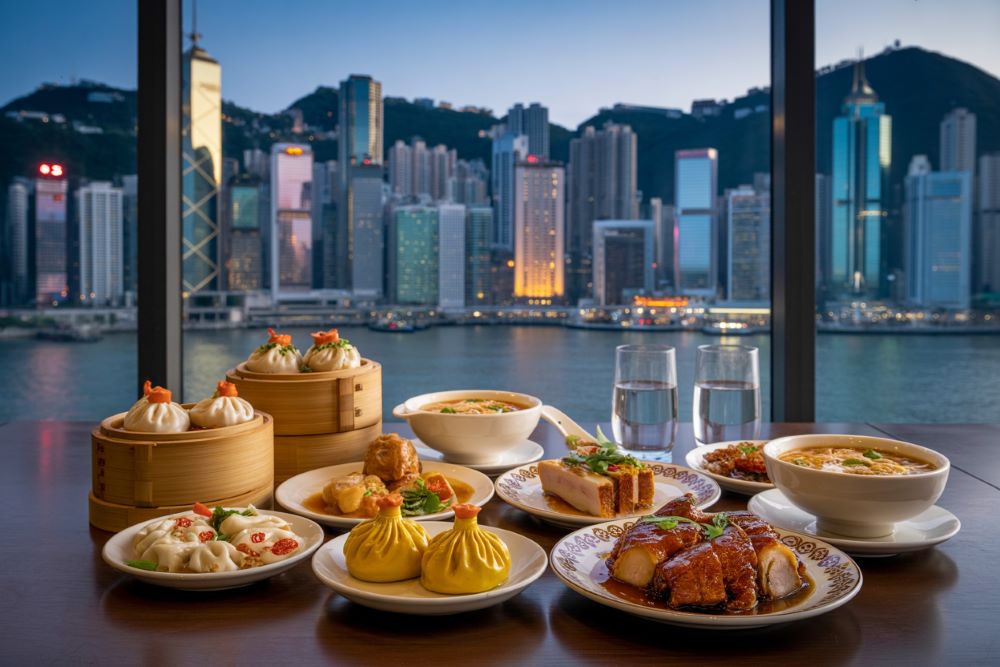
Hong Kong has been designated Asia’s premier food destination for 2026, according to an evaluation by Tripadvisor. This recognition places the city ahead of other significant culinary hubs such as Bangkok and Hanoi.
The assessment highlights the vibrant energy present in many of Asia’s major urban centers. These environments are characterized by bustling streets, markets well-stocked with fresh ingredients, and early-morning culinary preparations.
Understanding the Criteria for Culinary Destination Rankings
The designation of a city as a top culinary destination involves multifaceted evaluations that extend beyond mere anecdotal popularity. Such rankings typically consider a broad spectrum of factors that contribute to a robust and appealing food ecosystem. This includes the diversity and accessibility of dining options, from street food vendors to high-end establishments, and the availability and quality of fresh, local produce.
Furthermore, these evaluations often incorporate assessments of the culinary infrastructure, including the presence of established food markets, the density of restaurants per capita, and the innovation within the local food scene. The dynamism of a city’s food culture, reflecting its ability to adapt, evolve, and incorporate global influences while retaining traditional flavors, is also a critical component.
The Institutional Framework of Culinary Reputation Building
The elevation of a city like Hong Kong to a leading culinary position is often underpinned by a complex interplay of public and private sector initiatives. Municipal governments and tourism boards frequently play a significant role in promoting a city’s food culture through strategic marketing campaigns, culinary festivals, and the establishment of food-related policies. These bodies aim to enhance the visitor experience and attract both domestic and international tourism.
The hospitality industry, encompassing restaurants, hotels, and food suppliers, contributes by maintaining high standards of quality, service, and innovation. A strong regulatory framework that ensures food safety and hygiene standards across various food service establishments is also crucial for building trust and credibility among consumers and visitors. The consistent application of such administrative and policy structures fosters a reliable and appealing culinary landscape.
Analyzing the Competitive Landscape of Asian Food Destinations
The competitive nature of Asian culinary tourism necessitates continuous development and adaptation among cities vying for recognition. Destinations like Bangkok and Hanoi, which have historically been recognized for their food offerings, represent established benchmarks within the region. Their strengths often lie in traditional cuisines, accessible street food culture, and established tourism infrastructure geared towards food enthusiasts.
However, emerging or re-emerging cities can gain prominence by focusing on specific niches, fostering culinary innovation, or enhancing their existing offerings through strategic policy and investment. The continuous assessment of global food trends, consumer preferences, and the effectiveness of promotional strategies are essential for cities aiming to maintain or improve their standing in international rankings. This dynamic environment underscores the importance of ongoing institutional support and strategic planning in the food tourism sector.
The Role of Platforms like Tripadvisor in Shaping Perceptions
Platforms such as Tripadvisor serve as influential conduits for shaping global perceptions of culinary destinations. By aggregating user reviews, ratings, and travel insights, these platforms provide a democratized yet systematically collected dataset that informs potential visitors. The algorithms and editorial processes employed by such organizations translate vast amounts of user-generated content into identifiable trends and rankings.
The methodology behind these rankings, while often proprietary, generally seeks to identify patterns in user engagement and feedback related to food and dining experiences. The impact of these public-facing rankings is significant, influencing travel decisions, marketing efforts by tourism bodies, and investment in the local food industry. Consequently, maintaining a strong presence on such platforms requires a sustained commitment to culinary excellence and positive visitor experiences across all levels of the food service sector.
The Enduring Appeal of Street Food and Urban Culinary Energy
The source material notes the characteristic energy of Asian cities, where streets pulse with activity and markets are vibrant hubs of commerce. This description points to the integral role of street food and informal culinary settings in the overall food experience of these destinations. The accessibility and authenticity of street food often contribute significantly to a city’s culinary identity and appeal.
Urban planning and public policy in these areas can influence the sustainability and visibility of street food vendors. Regulations regarding hygiene, licensing, and designated vending zones, alongside support for small businesses, shape the environment in which these culinary traditions thrive. The institutional management of such dynamic street-level economies is vital for preserving their cultural significance while ensuring public health and order.
Personal Culinary Preferences and Broader Trends
Individual perspectives, such as those of Sophie Steiner who favors Bangkok, Ho Chi Minh City, and Chengdu, offer qualitative insights into specific culinary preferences. These personal assessments, while subjective, can often reflect broader trends in appreciating diverse culinary traditions, from the nuanced flavors of Thai and Vietnamese cuisine to the bold profiles of Sichuan cooking.
The contrast between favored cities and those that may have been disappointing highlights the critical importance of nuanced understanding in evaluating culinary landscapes. A city’s food scene is not monolithic; it comprises distinct regional variations, influences, and levels of execution. Recognizing these complexities is essential for a comprehensive assessment of a destination’s gastronomic merit, moving beyond general impressions to specific, well-defined culinary strengths and weaknesses.