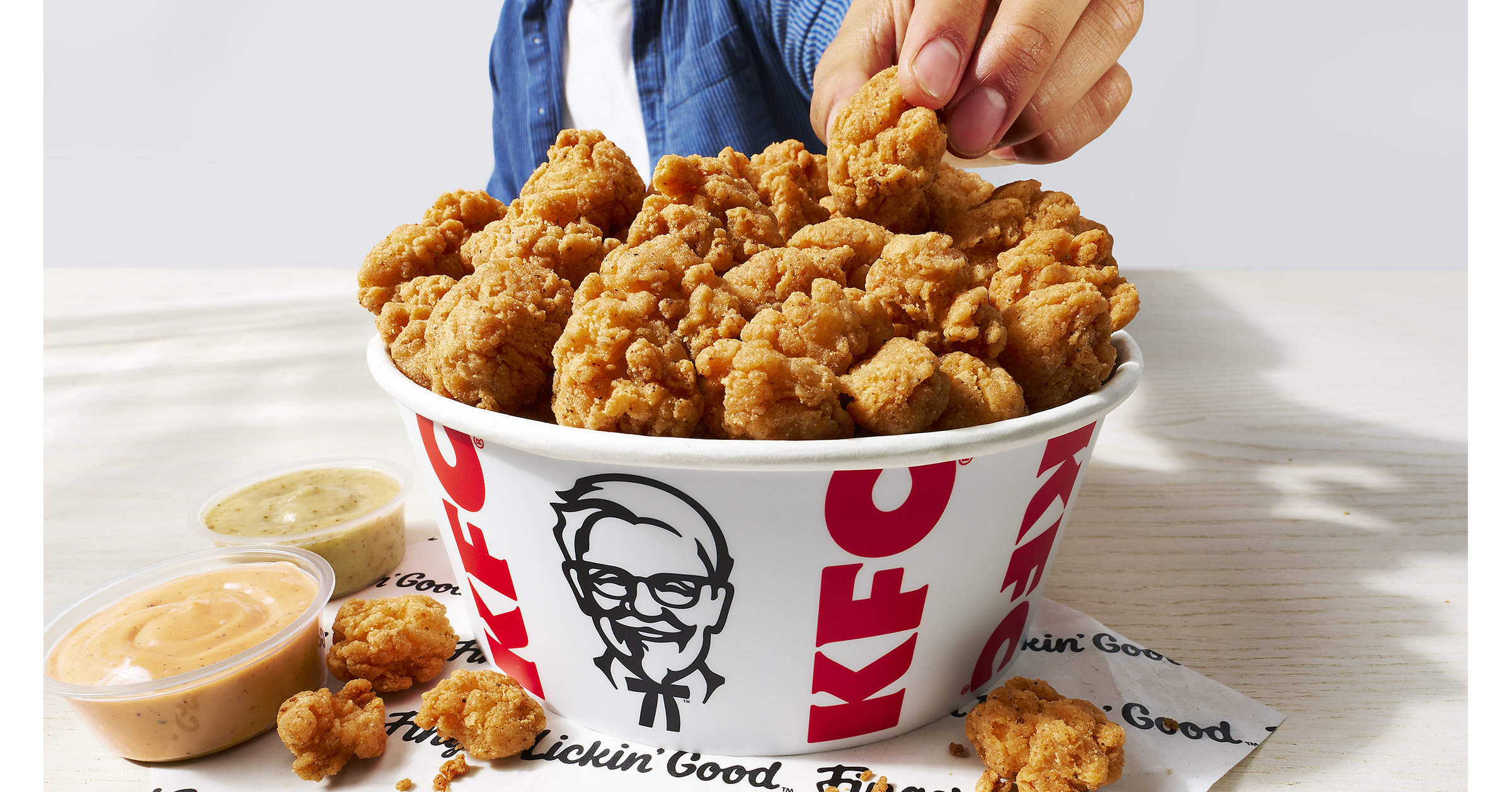
The scheduled reintroduction of Popcorn Chicken on July 13, 2026, marks a calculated operational pivot for KFC as the brand executes a comprehensive restructuring of its global menu. This high-profile return, occurring after a three-year hiatus following the product’s discontinuation in 2023, is not merely a nostalgic promotion but a core component of the company’s broader “Kentucky Fried Comeback” campaign. By reviving this bite-sized product, which originally debuted in the early 1990s, the brand is leveraging historical consumer affinity to anchor sweeping structural changes across its entire operating model.
The Strategic Transition to Boneless Portfolios
The return of Popcorn Chicken aligns directly with KFC’s global menu relaunch initiated in June, which prioritizes boneless chicken offerings over traditional bone-in products. This transition reflects a fundamental shift in fast-food consumer preferences, where convenience and ease of consumption dictate purchasing behavior. From an operational standpoint, boneless products streamline kitchen preparation, reduce cooking times, and minimize waste, thereby improving throughput during peak operating hours.
Furthermore, a boneless-centric menu allows the brand to optimize its supply chain by standardizing processing requirements at the distributor level. By focusing on uniform, bite-sized poultry cuts, the chain can mitigate the yield volatility associated with whole-muscle, bone-in chicken parts. This standardization provides the brand with greater purchasing leverage and more predictable food cost margins in an increasingly volatile agricultural market.
Supply Chain Management and the Scarcity Mechanism
By designating the return of Popcorn Chicken as a limited-time offering available only “while supplies last,” corporate leadership is employing a proven scarcity model to stimulate immediate consumer demand. This operational constraint serves a dual purpose: it generates a sense of urgency that drives immediate foot traffic, and it insulates the supply chain from long-term volume commitments. Managing the supply chain for a temporary rollout allows the brand to test supplier capacity and ingredient availability without permanently altering its procurement contracts.
This controlled release is particularly critical given the complexity of coordinating a nationwide launch across thousands of franchise locations. The “while supplies last” caveat protects individual operators from localized stockouts and potential service disruptions, ensuring that supply-side bottlenecks do not damage brand equity. It also allows the corporate culinary team to gather precise velocity data, which will inform future inventory allocation and permanent menu integration decisions.
Digital Feedback Loops and Risk Mitigation
The decision-making process behind the revival of Popcorn Chicken highlights the growing influence of digital sentiment analysis in corporate menu development. Chief Marketing Officer Melissa Cash emphasized that the brand systematically monitored online petitions, direct messages, and social media commentary to justify the product’s return. This analytical approach to consumer feedback reduces the financial risk associated with product launches by ensuring a pre-existing, highly motivated target market exists before capital is deployed.
By transforming unstructured social media data into actionable business intelligence, the brand has established a direct feedback loop that bridges the gap between consumer expectation and corporate execution. This strategy mitigates the traditional R&D costs associated with developing entirely new menu concepts from scratch. Instead, the brand capitalizes on established product equity, utilizing historical consumer obsession as a low-risk vehicle to re-engage lapsed customers and drive incremental sales.
Menu Diversification and High-Margin Beverage Expansion
Simultaneously with the boneless chicken push, the brand is aggressively expanding its beverage architecture through the introduction of “Kwench by KFC.” This new specialty drink line, which features shakes, sparkling lemonades, and iced coffees, represents a strategic effort to capture high-margin incremental sales. In the quick-service restaurant sector, beverages historically yield significantly higher gross margins than protein-based food items, making them essential for overall profitability.
The integration of Kwench by KFC also addresses the critical industry challenge of driving off-peak traffic, particularly during afternoon hours when food sales typically decline. By offering a diverse portfolio of specialty beverages alongside convenient boneless snacks like Popcorn Chicken, the brand positions itself to capture a broader share of the snacking market. This product pairing encourages larger average check sizes and improves overall unit economics for franchise operators.
Operational Evolution and the Table Service Concept
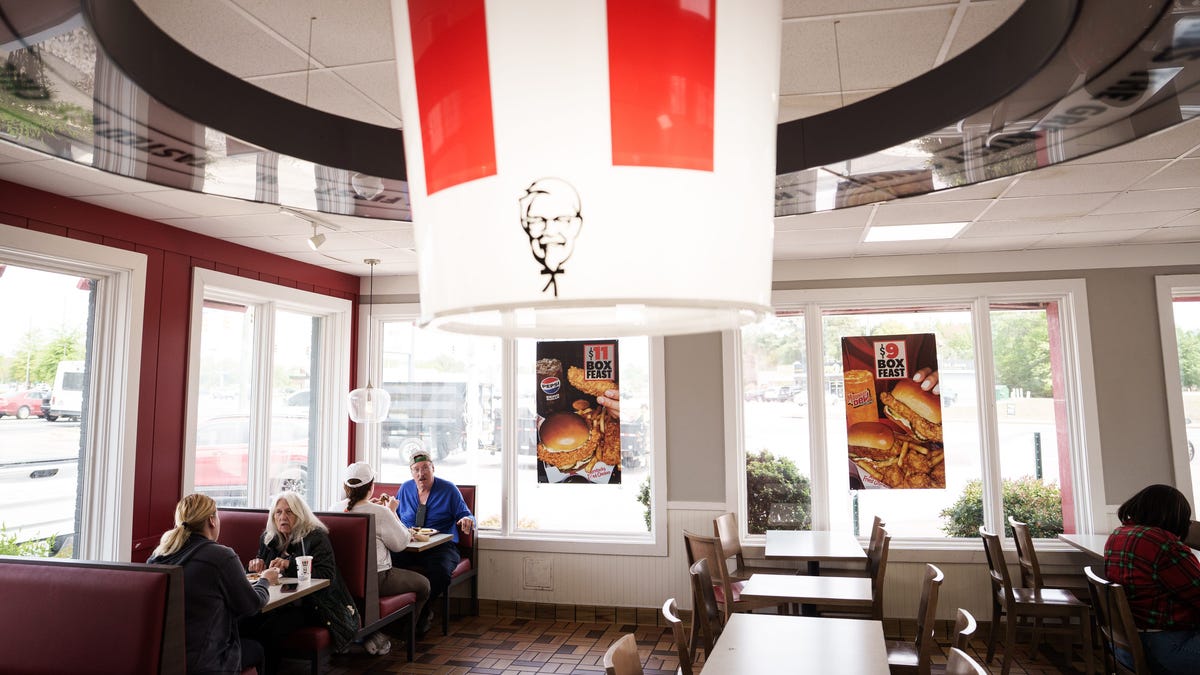
Perhaps the most radical departure from the traditional quick-service model is the introduction of a new restaurant concept focused on table service and menu innovation. This structural shift represents an attempt to blur the lines between fast food and fast-casual dining, appealing to consumers who seek a more experiential meal. Implementing table service requires a complete redesign of front-of-house operations, labor allocation, and staff training protocols.
This experiential concept serves as a testing ground for culinary innovation, allowing the brand to pilot premium offerings—such as international-inspired sauces and once-exclusive “Dunked” chicken—in a controlled environment. By elevating the dining experience, the chain aims to justify higher price points and differentiate itself from competitors that rely solely on drive-thru convenience. The success of this model will depend on the brand’s ability to maintain operational efficiency while introducing labor-intensive service elements.
Competitive Positioning and Market Implications
The simultaneous execution of a menu relaunch, beverage expansion, and restaurant redesign positions the brand to aggressively compete in a highly saturated market. The quick-service chicken segment has faced intense competition from both established players and emerging fast-casual concepts. By modernizing its brand presentation while leveraging the nostalgic appeal of Popcorn Chicken, the company is attempting to capture both traditional value-seeking customers and younger, experience-driven demographics.
This multi-pronged strategy also provides a buffer against fluctuating commodity prices and shifting economic conditions. While the core fried chicken offerings maintain brand identity, the high-margin beverage lines and innovative service models provide the financial flexibility needed to sustain long-term growth. As the brand navigates this “Kentucky Fried Comeback,” the integration of consumer data, operational modernization, and menu rationalization will serve as the primary drivers of its competitive viability.