The Institutional Imperative of Legacy Management in Professional Sports
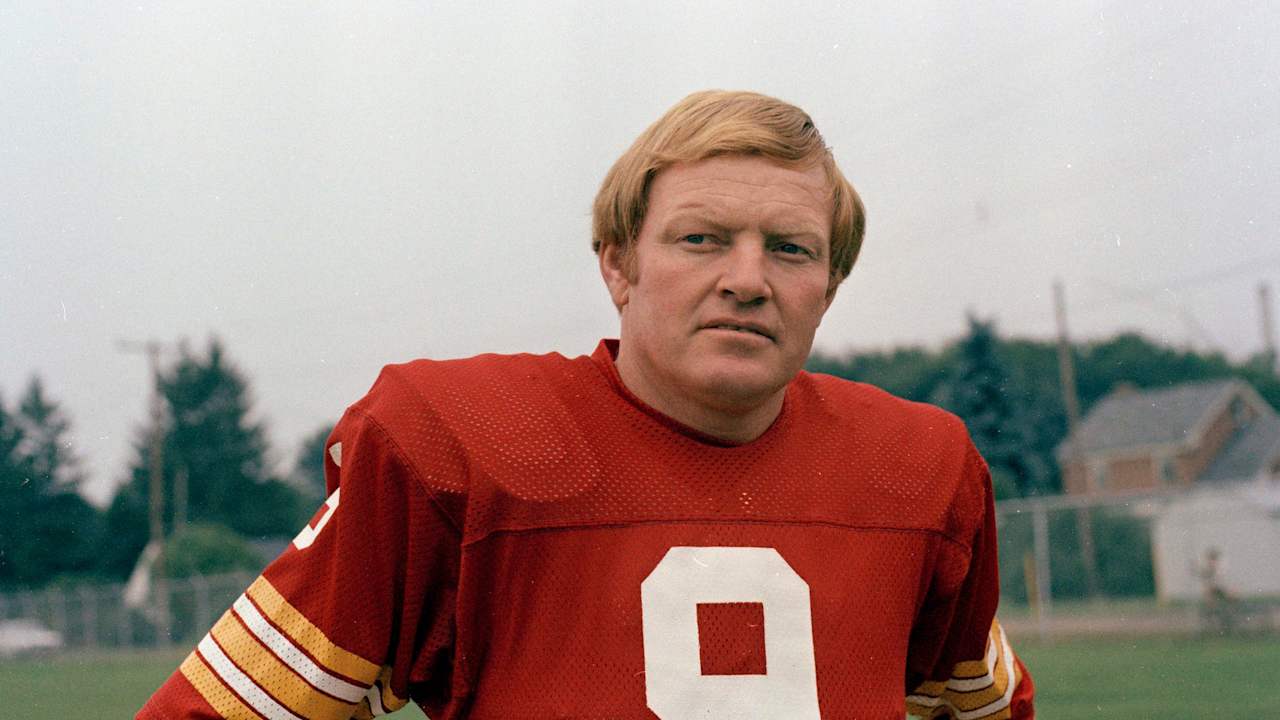
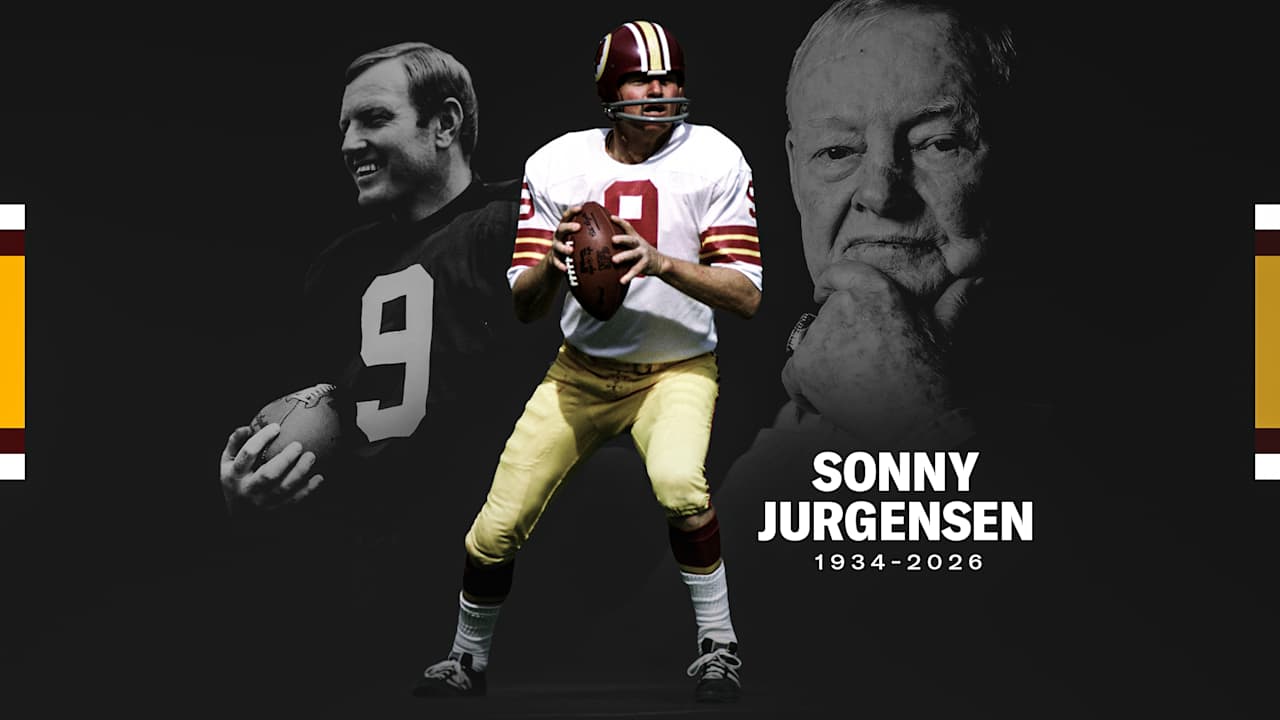
The passing of Sonny Jurgensen at the age of 91 marks the conclusion of a life defined by his role as a foundational figure in professional football. Jurgensen, recognized as a four-time All-Pro, an NFL champion, and a member of the Pro Football Hall of Fame, holds an indelible position within the historical narrative of the Washington franchise.
Following his death, the release of formal statements by both the Jurgensen family and the current ownership structure, represented by Washington Commanders Managing Partner Josh Harris, underscores the strict institutional protocols governing such moments. These public communications serve dual purposes: expressing organizational respect and formally integrating the legacy of a deceased legend into the ongoing corporate identity of the modern club.
The Role of Administrative Governance in Historical Preservation
In major professional sports leagues, particularly the National Football League (NFL), the governance structure necessitates specific mechanisms for managing historical continuity. When a figure of Jurgensen’s stature—explicitly identified as a “franchise legend”—passes away, the administrative response is mandatory and highly structured. The responsibility for executing this response falls directly to the highest tiers of executive management, in this case, the Managing Partner.
The statement from Managing Partner Josh Harris is not merely a gesture of personal condolence; it is an act of corporate stewardship. The organizational leadership is tasked with navigating the intersection of history, fan relations, and market positioning. For a professional team, maintaining continuity with successful historical figures is a critical component of brand equity and stabilization, ensuring that decades of institutional memory are officially recognized and affirmed by the current administrative regime.
This process of public recognition is essential for securing stakeholder confidence. Stakeholders include the existing fanbase, former players, league officials, and the media ecosystem. A failure by the managing partner or ownership group to immediately and appropriately acknowledge the death of a Hall of Famer would represent a significant lapse in reputational governance and cultural management.
The Structural Significance of the Pro Football Hall of Fame
Jurgensen’s status as a Pro Football Hall of Fame member provides additional structural weight to the institutional response. The Hall of Fame operates as the primary, independent arbiter of historical excellence within the sport, setting the benchmark for what constitutes an undisputed legend.
Membership in the Hall of Fame places the individual within a protected, historical context, elevating their significance beyond specific team allegiances. For the Washington franchise, Jurgensen’s induction serves as a permanent, external validation of the franchise’s historical success, regardless of recent operational or administrative changes.
The mechanism of the Hall of Fame selection process—based on objective merit and peer review over time—is critical to maintaining the narrative integrity of the league. When a Hall of Famer passes, the league’s institutional bodies and the relevant franchise must align their communications to reflect this recognized level of historical import, thereby reinforcing the integrity of the league’s official records and awards infrastructure.
Integrating Legacy into Modern Franchise Strategy
The contemporary business model of the NFL relies heavily on leveraging historical success to build future commercial value. The organizational strategy of the Commanders, led by the Managing Partner, must account for the cultural capital embodied by figures like Jurgensen.
This integration involves more than ceremonial recognition; it influences intellectual property management, historical exhibits, merchandise licensing, and the construction of fan engagement narratives. The administrative task is to translate past athletic achievements into current strategic assets without compromising the authenticity of the historical record.
The release of formal statements acts as the initial step in a predefined administrative process for handling the transition of a legacy figure from living icon to historical monument. This protocol ensures consistency across the league in honoring its historical figures, mitigating the risk of inconsistent public messaging or perceived disrespect that could damage the franchise’s public image.
Administrative Protocols During Periods of Organizational Transition
The current administrative structure of the Washington Commanders, operating under new stewardship, places particular emphasis on maintaining robust historical connections. The leadership’s decision to prioritize an immediate, formal statement from the Managing Partner reflects a strategic effort to stabilize the cultural identity of the organization following recent structural shifts.
A Managing Partner, in this context, functions as the primary operational and public-facing representative of the ownership group, tasked with setting the tone for institutional values and managing public perception. The administrative challenge during periods of ownership transition often involves reassuring a skeptical or protective fanbase that historical figures and achievements will remain revered under the new regime.
Therefore, the communication regarding Jurgensen’s passing serves as an essential policy demonstration. It affirms that the institutional memory of the franchise remains intact and prioritized within the new governance framework. This commitment to continuity is crucial for long-term market sustainability, as fan loyalty often hinges on the reverence shown for the historical pillars of the organization.
In terms of internal administrative function, the formal release of such statements requires coordination across multiple departments—including communications, legal counsel, and historical archives. This cross-functional alignment ensures that the language used is factually accurate, legally safe, and culturally resonant. It is a mandated procedure within the administrative handbook for high-profile deceased personnel.
The Strategic Management of Intangible Assets and Brand Equity
From a governance perspective, historical accomplishments and the fame of legacy players constitute significant intangible assets. Jurgensen’s identity as a four-time All-Pro and Hall of Famer translates directly into brand equity that the current ownership structure is obligated to protect and monetize responsibly.
The NFL, as a corporate entity, standardizes methods for valuing and protecting the intellectual property associated with its history. The institutional response to the death of a star player must comply with these league-wide standards, which dictate how historical records are referenced and how posthumous honors are managed. This policy framework ensures a uniform level of respect across all teams.
The statements function as a mechanism of strategic asset management, publicly acknowledging the value Jurgensen contributed to the franchise’s heritage. By doing so, the current administration secures the right to continue utilizing that historical narrative within its commercial and cultural outreach strategies, reinforcing the legitimacy of the entire enterprise.
Furthermore, the explicit mention of his NFL Championship status reinforces the historical pedigree of the organization. This focus on verifiable institutional achievement serves to anchor the current administration to a tradition of success, a critical element in the strategic positioning of any top-tier professional sports organization competing for market share and fan commitment.
The Cultural Authority of the Hall of Fame System
The institution of the Pro Football Hall of Fame is not merely a museum; it is a fundamental pillar of the sport’s cultural and financial structure. Its procedural independence ensures that the recognition bestowed upon players like Jurgensen carries maximum institutional authority.
The rigorous, multi-stage selection process—involving journalists, administrators, and former players—is designed to withstand scrutiny and establish undisputed historical facts regarding player performance. This robust procedural mechanism ensures that the term “Hall of Famer” acts as an official, certified designation of historical significance, reducing the potential for subjective or biased historical revisionism by individual franchises.
When a Managing Partner refers to this status, they are aligning their contemporary administrative decisions with the established, verifiable historical record maintained by the league’s independent governing bodies. This alignment is vital for maintaining high standards of governance and avoiding internal disputes regarding historical narrative ownership.
The organizational necessity of honoring this legacy extends into internal policy, influencing how current players are taught about franchise history and how awards and honors are structured. The administrative commitment to historical figures establishes a cultural expectation of excellence and continuity that permeates the organization, from the locker room to the executive suites.
The comprehensive nature of the institutional response to Jurgensen’s death—encompassing family respect, ownership acknowledgment, and adherence to league historical standards—illustrates the structural complexity involved in managing the cultural assets of a high-value, legacy-driven professional sports enterprise. The procedural rigor confirms that these moments are treated not as peripheral emotional events, but as critical exercises in continuity and governance required of modern sports executives.