Institutional Framework of Alternative Cultural Programming
The announcement of an alternative Super Bowl halftime show organized by Turning Point USA (TPUSA) highlights a shift in institutional strategies regarding cultural counter-programming. This initiative, scheduled as a livestreamed event on February 8, positions itself as a distinct alternative to the primary Super Bowl LX halftime festivities.
From an organizational perspective, such events function as strategic instruments for brand consolidation within specific demographic cohorts. By creating a parallel broadcast, the institution seeks to establish a controlled environment where cultural messaging aligns with organizational objectives, bypassing traditional media gatekeepers and established industry frameworks.
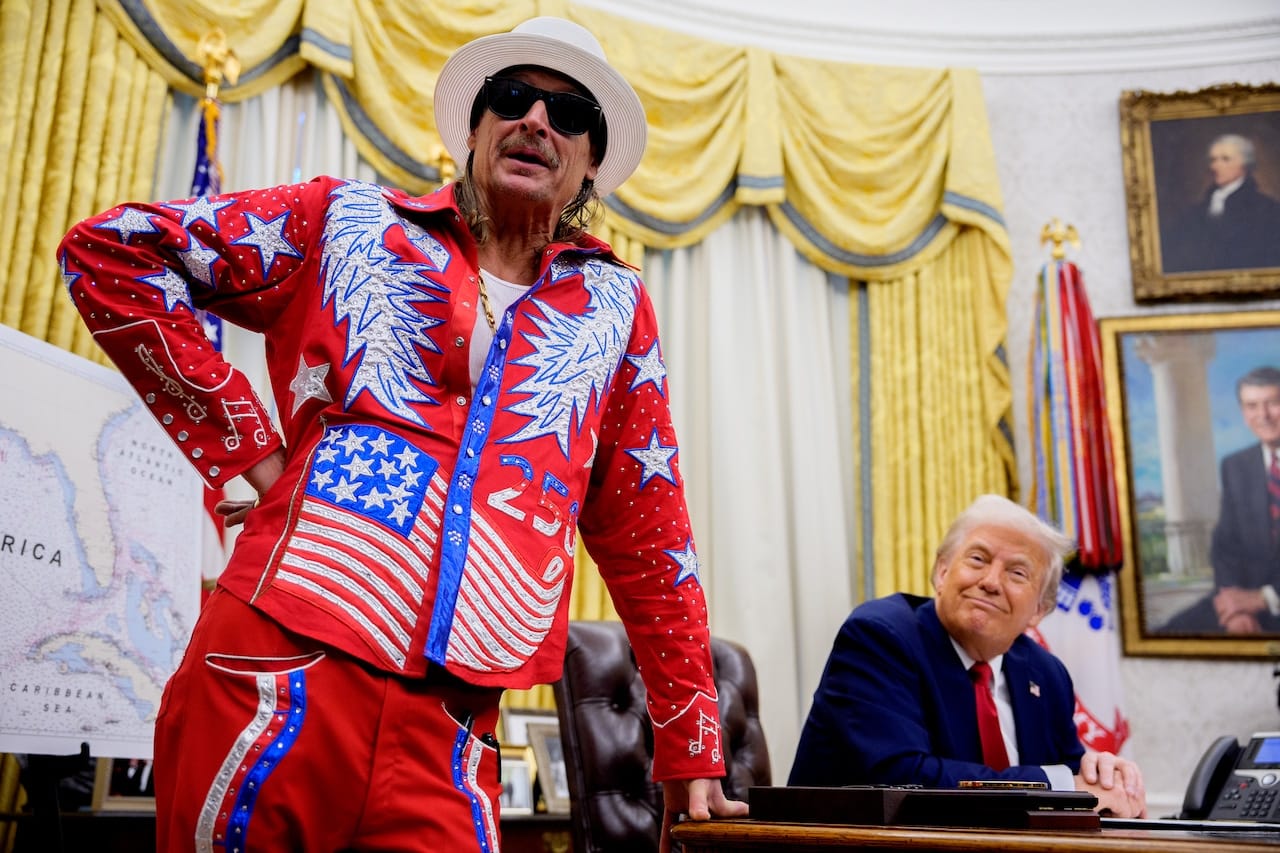
The selection of Kid Rock as the headlining act reflects a deliberate alignment with certain cultural identities and political values. This structural choice reinforces the event’s identity as a ‘MAGA-friendly’ alternative, intended to resonate with a specific audience segment that perceives mainstream entertainment as misaligned with their personal or political perspectives.
Media Discourse and Late-Night Critique
The planned event has drawn significant attention from mainstream media commentators, particularly within the late-night comedy circuit. Stephen Colbert and Michael Kosta have provided high-profile critiques, utilizing their platforms to scrutinize the event’s branding and conceptual foundation.
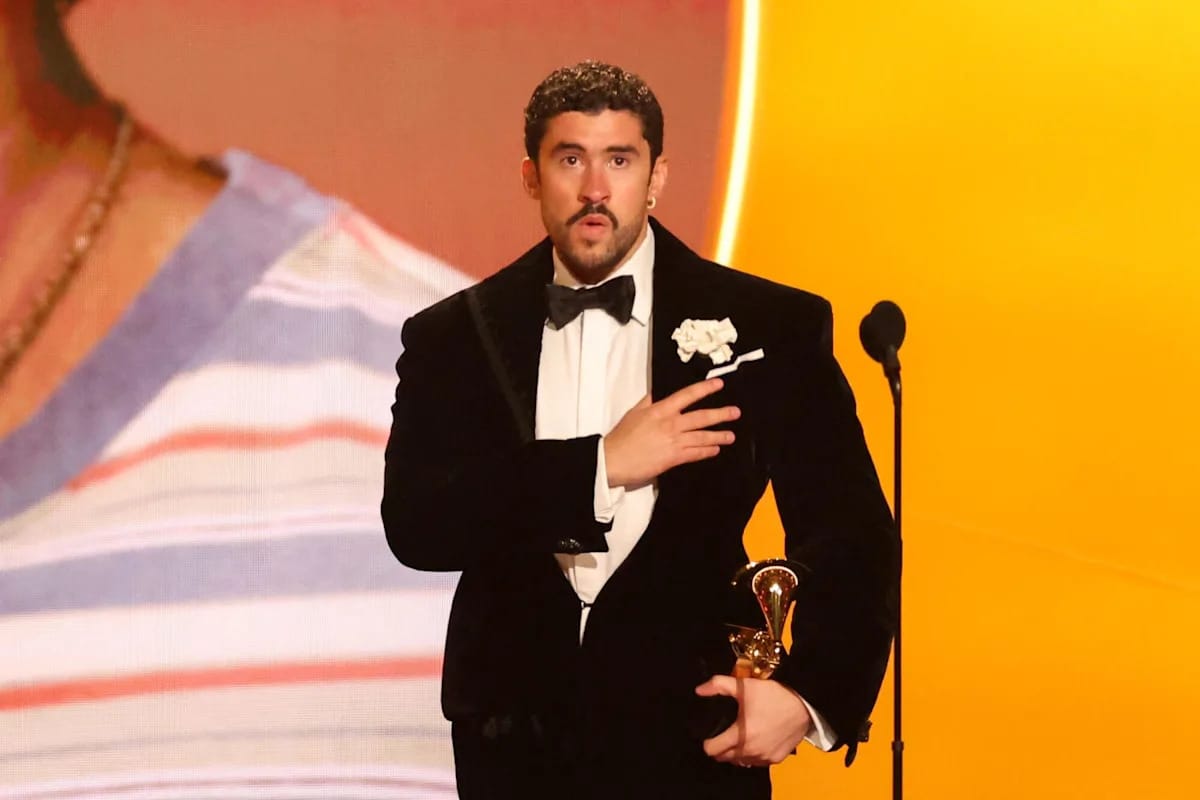
Colbert’s commentary focused on the event’s presentation, including descriptions of the livestream as featuring a ‘Terrible Bunny,’ a direct reference to comments made by Kid Rock regarding mainstream performer Bad Bunny. This discourse highlights a fundamental divide in the media ecosystem, where traditional broadcasting platforms and alternative digital livestreams occupy increasingly isolated spheres of influence.
Institutional analysis suggests that these critiques serve to amplify the visibility of the alternative show while simultaneously reinforcing the partisan boundaries of the audience. The interaction between mainstream satire and alternative programming creates a feedback loop that sustains the cultural significance of the event for both supporters and detractors.
The Mechanics of Strategic Counter-Programming
Counter-programming is a long-standing tactic in the media industry, traditionally used to attract audiences away from dominant broadcasts. In the modern context, the application of this strategy to major sporting events like the Super Bowl indicates a highly coordinated effort to leverage existing viewership patterns for institutional growth.
By hosting the event via livestream, TPUSA utilizes digital infrastructure to deliver content directly to its constituency. This method allows for a greater degree of narrative control and avoids the regulatory or editorial constraints inherent in legacy television networks. It also provides a platform for the headliner to engage in specific rhetorical contrasts with mainstream artists.
Kid Rock’s comments regarding Bad Bunny’s ‘dance party’ illustrate a broader strategic intent to position the TPUSA show as a more traditional or stylistically distinct alternative. This contrast is a key component of the marketing strategy, designed to appeal to those who seek an alternative to the aesthetics and production values of current pop-culture standards.
Reputational Risks and Archival Content Resurfacing
As the event nears, historical content related to the headlining artist has resurfaced, creating a layer of reputational complexity for the organizers. Specifically, a song by Kid Rock containing lyrics regarding underage girls has been brought back into public discussion, highlighting the challenges organizations face when platforming figures with extensive archival footprints.
In a professional and institutional context, the resurfacing of such content necessitates a distinction between artistic output and legal findings. Currently, the discussions surrounding these lyrics exist as a matter of public record and media discourse rather than judicial determination. However, they introduce a significant variable into the management of the event’s public perception.
The institutional response to such controversies often involves a calculation of risk versus benefit. For an organization like TPUSA, which operates within a specific ideological framework, the decision to proceed with the event suggests that the perceived value of the counter-programming outweighs the potential for negative media fallout from the resurfaced lyrics.
Economic and Social Implications of Parallel Media
The development of parallel media events suggests a growing fragmentation of the national audience in the United States. When cultural milestones like the Super Bowl are subject to ideological fracturing, the resulting shift affects advertising models, audience measurement, and the broader social function of mass media.
This event serves as a case study in how political organizations are increasingly acting as media production houses. By investing in high-production-value entertainment, these institutions are moving beyond traditional advocacy into the realm of direct cultural participation. This evolution represents a sophisticated expansion of political influence into the domestic and social lives of the electorate.
The broader impact of these strategies on the media industry is significant. As niche platforms and livestreams become more viable, the dominance of centralized cultural moments may continue to diminish. This creates a more complex landscape for brands and organizers who must navigate a territory defined by competing narratives and segmented audiences.
Conclusion and Future Trajectory
The TPUSA alternative halftime show is more than a singular event; it is a manifestation of contemporary media dynamics and organizational strategy. It reflects the intersection of celebrity influence, political branding, and technological capability in the current era.
As the livestream date approaches, the institutional success of the project will likely be measured by its ability to maintain audience engagement and navigate the reputational challenges associated with its headliner. This event sets a precedent for how future cultural spectacles may be utilized as platforms for institutional messaging and demographic consolidation.
Ultimately, the discourse surrounding the show—from late-night mockery to the resurfacing of controversial song lyrics—underscores the volatile nature of modern public life. The event highlights the degree to which cultural consumption has become a site of institutional contestation and strategic maneuvering.