US Navy Intercepts and Downs Iranian Drone in Arabian Sea
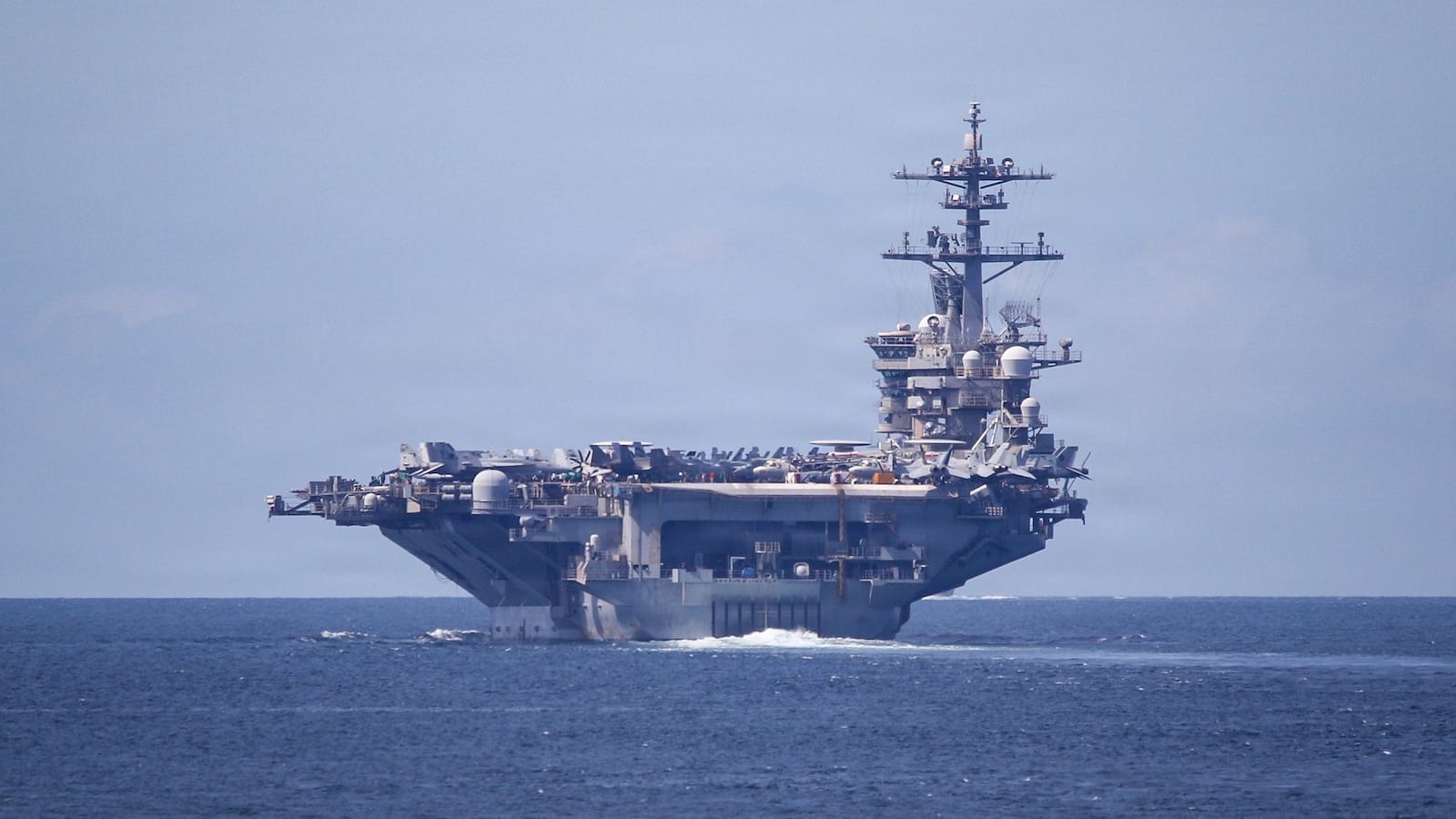
A United States Navy fighter jet engaged and destroyed an Iranian drone in the Arabian Sea on Tuesday. The drone was reportedly operating in a manner described as an aggressive approach towards a US aircraft carrier. This incident occurred in the hours preceding another reported security event involving Iranian-operated gunboats and a US tanker.
Escalation of Regional Maritime Incidents
The operational context for this engagement involves a broader pattern of maritime security challenges in the region. The downing of the drone by a US fighter jet is characterized by the military as a defensive measure in response to the drone’s proximity and flight path relative to the carrier. This event took place in the Arabian Sea, a critical waterway for international commerce and naval operations.
IRGC Gunboats Harass US Tanker
Further compounding the regional tensions, two gunboats operated by Iran’s Islamic Revolutionary Guard Corps (IRGC) reportedly harassed a US tanker. This separate incident, occurring on the same day, adds to the complexity of the security situation and highlights ongoing friction between US naval forces and Iranian maritime assets.
Strategic Implications of Maritime Encounters
These events occur within a complex geopolitical landscape where maritime security is a constant consideration for global powers and regional actors. The US Navy operates with a mandate to ensure freedom of navigation and deter threats to its vessels and interests in strategically vital waters like the Arabian Sea. The deployment of aircraft carriers and other naval assets is a component of this broader strategic posture, aimed at projecting stability and readiness.
Naval Doctrine and Rules of Engagement
The US military’s engagement with the Iranian drone is governed by established rules of engagement and naval doctrine. These protocols dictate the conditions under which force may be employed, typically requiring an assessment of threat, hostile intent, or aggressive action. The description of the drone’s approach as “aggressive” indicates a threshold was met under these operational guidelines, necessitating a defensive response from the carrier strike group.
Institutional Role of the IRGC
The involvement of the Islamic Revolutionary Guard Corps (IRGC) gunboats in harassing a US tanker points to the specific institutional roles played by various Iranian state entities in regional maritime affairs. The IRGC is distinct from Iran’s regular armed forces and often operates in asymmetric or unconventional capacities. Its maritime units are known for their presence in the Persian Gulf and surrounding waters, where they engage with foreign naval vessels and commercial shipping.
Arabian Sea as a Strategic Chokepoint
The Arabian Sea itself is a crucial segment of the maritime domain, connecting the Persian Gulf to the Indian Ocean. Its strategic importance lies in its role as a transit route for global energy supplies and international trade. Naval presence and operations in this area are therefore closely monitored by multiple nations, as any disruption can have significant economic and geopolitical repercussions.
Media Reporting and Attribution
The reporting on these incidents relies on statements from military officials and official sources, such as Central Command. Such official pronouncements provide the primary verified account of events. Distinguishing between factual reporting of military actions and broader geopolitical interpretations is essential for maintaining clarity. The incidents are presented as factual accounts provided by US military authorities.
Broader Geopolitical Context
These maritime encounters are symptomatic of a broader pattern of strategic competition and tension in the Middle East. The interaction between US naval forces and Iranian assets in international waters is a recurring feature of this dynamic. The US maintains a significant military presence in the region, including naval forces, to ensure its strategic objectives are met and to respond to perceived threats.
Naval Diplomacy and Deterrence
Incidents such as these can have implications for naval diplomacy and deterrence strategies. The show of force, whether through the downing of a drone or the presence of naval vessels, serves to communicate capabilities and intentions. For the United States, such actions are often framed as necessary to deter aggression and maintain regional security. For Iran, similar actions may be viewed as assertions of sovereignty or responses to perceived external pressures.
The Role of Unmanned Systems
The involvement of a drone in this encounter highlights the increasing integration of unmanned systems into military operations and regional security architectures. Drones, both for reconnaissance and potential offensive roles, are a growing factor in modern warfare and maritime surveillance. Their deployment by state actors in contested waterways raises new challenges for conventional military forces in terms of identification, response, and de-escalation.
International Maritime Law and Conduct
The interactions at sea also engage principles of international maritime law and norms of conduct for naval forces. While specific incident details are attributed to US military reporting, such encounters fall under broader frameworks governing the passage of vessels and aircraft in international waters. The concept of “aggressive approach” relates to established understandings of potentially threatening maneuvers in a naval context.
Enduring Nature of Regional Tensions
The documented events underscore the enduring nature of geopolitical tensions and military posturing in the region. The Arabian Sea continues to be a theatre where strategic interests of various international and regional powers intersect, leading to frequent naval operations and occasional confrontations. The pattern of such incidents suggests a need for careful management of maritime activities to prevent miscalculation and unintended escalation.