Six Flags X2 Roller Coaster Faces Intense Scrutiny Amidst Reports of Severe Injuries and Fatalities
The X2 roller coaster at Six Flags Magic Mountain is under rigorous examination following reports of severe rider injuries and two fatalities. In July, two women required emergency brain surgery within a six-day span due to hemorrhages, despite not being involved in a ride malfunction or accident. These injuries, characterized by severe brain hemorrhages, typically associated with significant impact trauma, highlight extreme physical forces exerted on riders.
A comprehensive CNN investigation, analyzing medical records, legal depositions, and court filings, has uncovered a concerning pattern of severe injuries linked to the X2. Over nearly two decades, the ride has been associated with more than a dozen reported incidents resulting in serious injuries and hospitalizations. These events have led to permanent disabilities, comas, and tragically, two deaths.
Engineering and Operational Concerns
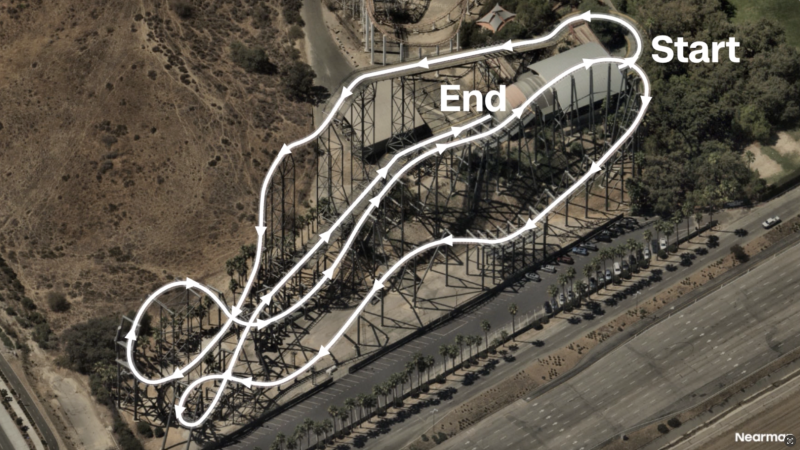
The X2’s unique design, featuring trains with seats that rotate 360 degrees while traversing steep drops and abrupt directional changes at speeds up to 80 mph, generates substantial G-forces and rotational stresses. Experts, including mechanical engineering professor Lyndia Wu, have raised questions about the inherent safety of such forces, suggesting that severe head injuries should not be an accepted risk. The nature of the reported brain hemorrhages, comparable to those sustained in violent accidents, points to the extreme biomechanical stresses imposed by the ride’s operation.
Six Flags has kept the X2 closed since July 12, with the company declining to provide specific reasons for the extended closure. California’s Division of Occupational Safety and Health (DOSH) has confirmed an ongoing inspection, a standard procedure following serious incidents, aimed at assessing compliance with safety regulations and identifying potential design or operational flaws.
Legal Actions and Accountability
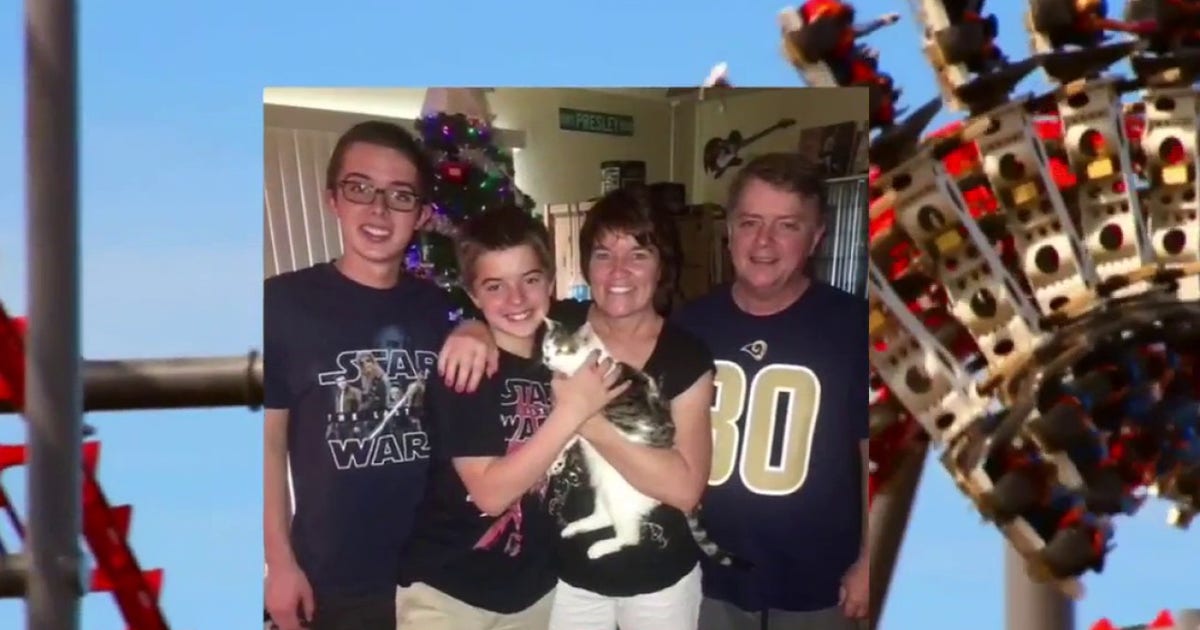
The family of 22-year-old Christopher Hawley has filed a wrongful death lawsuit against Six Flags Magic Mountain, seeking accountability for his 2022 death. Hawley collapsed and died the day after riding the X2, with his family describing the experience as exceptionally violent, citing aggressive jerking and a final jolt that forcefully impacted riders’ heads against headrests.
The Los Angeles County Department of Medical Examiner officially attributed Hawley’s death to blunt force trauma sustained during a park ride, comparing the injury severity to that of a high-speed collision. This lawsuit underscores the increasing legal and financial pressure on theme park operators to guarantee rider safety on high-thrill attractions.
Pattern of Incidents and Regulatory Oversight
The documented history of incidents associated with the X2 suggests a potential systemic risk rather than isolated occurrences. The longevity of these reports, spanning nearly twenty years, raises critical questions about the efficacy of previous safety assessments and any implemented modifications. Theme park safety is paramount to brand reputation and operational integrity, with robust regulatory oversight essential for public trust.
The X2 is marketed as a signature, high-thrill attraction, creating an expectation of extreme experience. However, this positioning necessitates stringent risk management, as the ride’s design inherently pushes physical limits. Balancing this brand promise with the imperative of ensuring rider safety is a critical challenge, particularly when evidence points to a recurring pattern of severe adverse outcomes.
Industry and Stakeholder Ramifications
The ongoing scrutiny of the X2 presents significant reputational and financial risks for Six Flags. The closure of a major attraction, combined with investigations and legal proceedings, can deter patronage and impact revenue. Furthermore, it invites increased regulatory oversight, potentially leading to more stringent operational requirements or mandated changes across the company’s ride portfolio.
Riders face direct physical risks, underscoring the need for clear communication of ride hazards and advanced safety engineering. For the broader theme park industry, these events serve as a stark reminder of the continuous need for vigilance in ride design, maintenance, and operational protocols to prevent similar incidents and maintain public confidence.
The engineering community, particularly in biomechanics and amusement ride safety, will analyze the X2’s design and operational parameters. Such analyses are vital for informing future ride development and establishing industry best practices. Legal actions also set precedents for addressing such incidents, influencing future claims and operator diligence.
Regulatory bodies, such as California’s DOSH, face the challenge of ensuring thorough inspections and effective enforcement to mandate necessary safety improvements. The outcome of the current inspection and subsequent regulatory directives will be closely watched by the industry and consumer advocates.
Six Flags’ strategic response will be critical. Decisions regarding ride modifications, portfolio re-evaluation, or legal defense will signal the company’s commitment to addressing underlying safety issues. Capital allocation towards safety research, engineering, and testing protocols will indicate long-term priorities.
A safe and well-maintained attraction drives positive word-of-mouth and repeat visits. Conversely, a ride linked to severe harm can negatively impact the entire park’s performance and the corporate brand, fostering unease and deterring safety-conscious visitors.
Investment in the amusement park sector must balance innovation with upgrading infrastructure to meet evolving safety standards. The X2’s history suggests initial capital investment may not have adequately mitigated long-term risks, necessitating further expenditure for remediation or replacement.
If Six Flags experiences operational disruptions or reputational damage, competitors may leverage their safety records, potentially shifting market share and recalibrating industry strategies.
The incentive structure for theme park operators balances profit with safety. The pursuit of revenue must be tempered by the potential for catastrophic accidents, legal liabilities, and reputational damage, reinforcing the need for robust internal safety cultures and external regulatory oversight.
The structural integrity of amusement rides is paramount. Persistent incidents on the X2 suggest systemic issues potentially rooted in design flaws or inherent engineering limitations exacerbated by extreme operational parameters, rather than isolated failures.