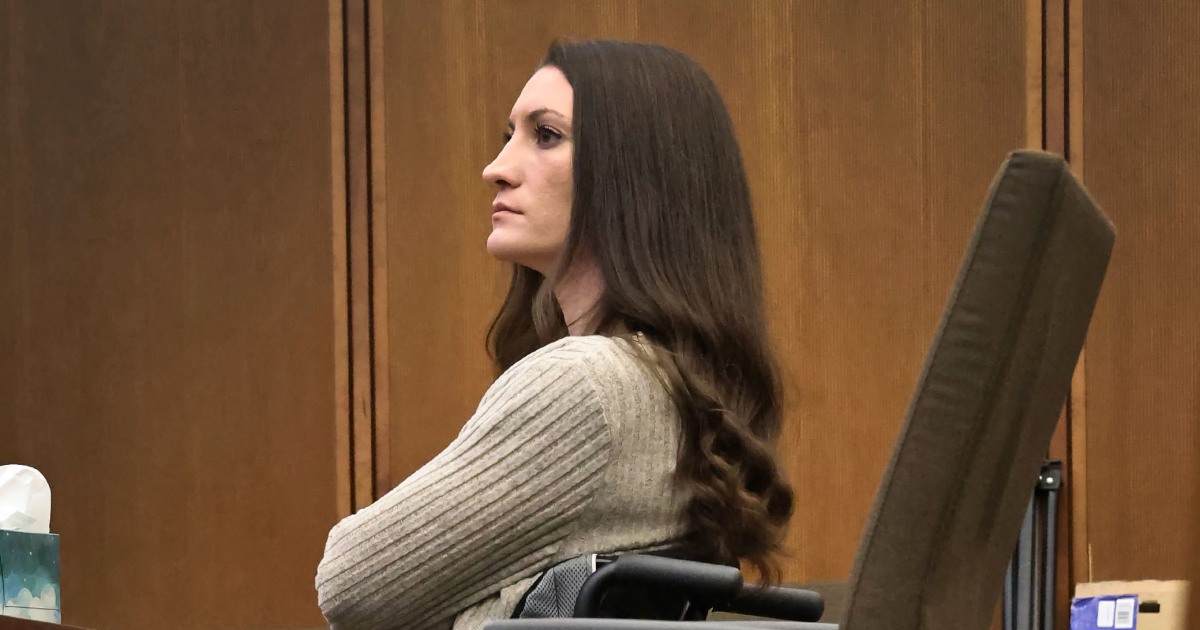
The trial of Lindsay Clancy has entered its final phase in Plymouth Superior Court. Legal teams presented their closing arguments following five weeks of testimony from medical professionals, forensic experts, and family members regarding the January 2023 deaths of three children.
The defense argues that Clancy lacked criminal responsibility due to severe mental illness and postpartum psychosis, asserting that psychiatric distress and hallucinations impaired her capacity to understand the nature of her actions or conform to the law. Conversely, the prosecution contends the actions involved deliberate premeditation and extreme atrocity, supported by state forensic psychologists who concluded the defendant retained the capacity to distinguish right from wrong.
Judicial Instructions and Verdict Options
Judge William F. Sullivan instructed the jury on the legal parameters for deliberations. Jurors must evaluate whether the evidence supports first-degree murder charges involving premeditation and extreme atrocity, or consider lesser alternatives including second-degree murder, manslaughter, or a verdict of not guilty by reason of a lack of criminal responsibility.
The procedural framework requires weighing conflicting psychiatric testimony against the prosecution’s factual timeline. Each charge carries distinct statutory outcomes, ranging from life imprisonment to institutional psychiatric commitment.
Institutional Implications
The proceedings have driven extensive public discourse concerning maternal mental health crises, forensic psychology, and the adjudication of complex psychiatric defenses within the judicial system. The jury’s final determination will establish a significant legal precedent regarding the standard of criminal responsibility in cases involving severe mental illness.