The Enigma of the Shorter Cut: ‘Dhurandhar’ on Netflix
The cinematic landscape has never been static, constantly evolving with technological advancements, distribution models, and audience preferences. Yet, every so often, a particular incident captures the industry’s attention, laying bare the intricate dance between artistic vision, commercial imperatives, and the evolving consumption habits of viewers. Such is the current discourse surrounding ‘Dhurandhar,’ a Hindi-language film that captivated audiences in theaters and has now found a new home on Netflix, albeit with a noticeable difference.
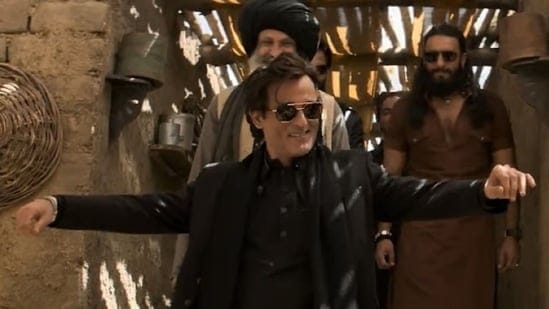
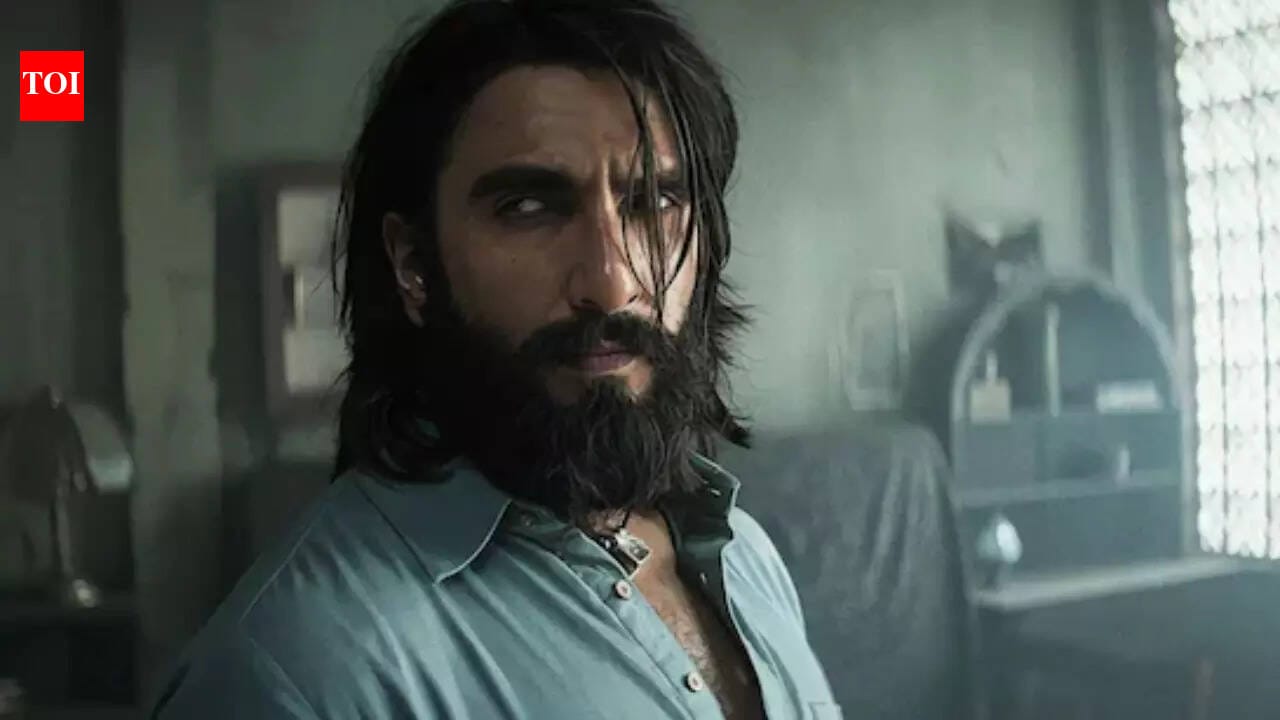
Initially lauded for its grand scale and compelling performances, ‘Dhurandhar,’ featuring an ensemble cast including Ranveer Singh, Akshaye Khanna, R Madhavan, Arjun Rampal, and Sanjay Dutt, made significant waves at the box office. The film, a quintessential Bollywood blockbuster, reportedly crossed the staggering mark of Rs 800 crore at the domestic box office, a testament to its widespread appeal and the enduring power of big-screen spectacles in India. However, its transition to the streaming giant Netflix has unveiled a new chapter, one marked by questions of creative autonomy and altered viewer experience.
A Director’s Vision or a Platform’s Prerogative?
The core of the burgeoning controversy lies in the runtime discrepancy between the theatrical release and the version now streaming on Netflix. Reports suggest that the Netflix iteration of ‘Dhurandhar’ is noticeably shorter – by as much as four to nine minutes, depending on various accounts. This trimming of a widely successful film for its Over-The-Top (OTT) release has not gone unnoticed by vigilant fans and industry observers alike, raising critical questions about the authority behind such edits.
More pointedly, whispers from industry circles, specifically referencing a report, indicate that these cuts were made without the explicit consent of the film’s director, Aditya Dhar. This particular aspect elevates the situation from a mere technical adjustment to a significant debate surrounding a filmmaker’s creative control over their work. In an era where streaming platforms often promise directors a ‘home’ for their unadulterated visions, such reports, if true, strike at the heart of that promise, potentially setting a precedent for future releases.
The Business of Cuts: Why Films Get Edited for Different Platforms
The practice of having multiple versions of a film is not entirely new to the entertainment industry. For decades, films have seen different cuts for various regions, censorship boards, or even for television broadcasts, where content often needs to be adapted for a broader, family-friendly audience or to fit specific time slots. These alterations can range from minor scene trims to significant re-edits, impacting pacing, character development, and even narrative clarity.
In the context of streaming, platforms like Netflix often acquire content with specific global distribution rights, which may necessitate modifications to adhere to different countries’ censorship laws, cultural sensitivities, or even optimize for the unique consumption patterns of online viewers. A film designed for a theatrical experience, with its immersive dark rooms and uninterrupted viewing, might be perceived differently when watched on a mobile phone or a living room TV, where attention spans can be shorter and interruptions more frequent.
The Delicate Balance of Artistic Integrity and Commercial Viability
However, the key distinction in the ‘Dhurandhar’ scenario appears to be the alleged absence of the director’s consent. While distributors and platforms often negotiate rights that include editing clauses, the idea of a significant cut being implemented without the original creator’s approval touches a raw nerve within the filmmaking community. It raises concerns about artistic integrity and the fundamental right of a director to maintain the vision they labored to create.
For a director, a film is often more than just a product; it is a meticulously crafted piece of art, where every frame, every cut, and every line serves a purpose. Unauthorized alterations can disrupt the intended rhythm, emotional arc, and thematic resonance of the narrative. This tension between the creative ideal and the commercial realities of distribution is a perpetual balancing act, made even more complex in the rapidly expanding digital realm.
‘Dhurandhar’s’ Star Power and Shifting Perceptions
Beyond the editing controversy, ‘Dhurandhar’ also sparked considerable discussion among its audience regarding the performances of its lead actors. Ranveer Singh, a powerhouse performer known for his dynamic screen presence, was undoubtedly a major draw. However, following the film’s theatrical release, a segment of fans expressed the opinion that veteran actor Akshaye Khanna, known for his subtle yet impactful portrayals, had managed to ‘overshadow’ Singh’s performance.
This initial assessment created a buzz, fueling online discussions and debates about the hierarchy of star power versus character impact in multi-starrer films. Khanna’s ability to command attention even in a film headlined by a contemporary superstar like Singh was seen as a testament to his acting prowess and the nuanced depth he brings to his roles.
The Internet Weighs In: Post-OTT Analysis
Interestingly, the narrative around Akshaye Khanna’s performance underwent a significant shift after ‘Dhurandhar’ premiered on OTT platforms. With the film becoming widely accessible, more viewers had the opportunity to form their own opinions, leading to a re-evaluation of the initial theatrical assessments. The internet, a crucial barometer of public sentiment in modern entertainment, began to echo a different perspective.
Following the OTT release, a prevailing sentiment emerged that Akshaye Khanna, while delivering a strong performance, did ‘not even one percent’ overshadow Ranveer Singh. This reversal of opinion highlights the dynamic nature of audience perception, influenced by factors such as repeated viewing, the more intimate setting of home viewing, and perhaps, a deeper engagement with the film’s overall narrative without the immediate hype of a theatrical opening.
It also underscores the power of streaming platforms to democratize film criticism, allowing a broader, more diverse audience to contribute to the collective interpretation of a film, often diverging from the initial critical consensus or fan reactions immediately post-release.
Bollywood’s Digital Embrace: Opportunities and Challenges
The journey of ‘Dhurandhar’ from a domestic box office behemoth to a Netflix feature encapsulates the broader trends defining the Indian film industry. Bollywood, a prolific film factory, has rapidly embraced digital streaming, recognizing its potential to reach global audiences and offer a new revenue stream. Platforms like Netflix have invested heavily in Indian content, realizing the immense market potential and the rich storytelling tradition the country offers.
This digital embrace presents a myriad of opportunities: wider distribution, extended shelf life for films, and a chance for niche stories to find their audience. However, it also introduces a new set of challenges, prominent among them being the very issue of creative control and the adaptation of content for diverse platforms.
The Future of Filmmaking in a Hybrid World
The ‘Dhurandhar’ episode serves as a potent reminder that as the lines between theatrical and streaming releases blur, new protocols and understandings must emerge. The digital domain, while offering unparalleled reach, also brings with it complexities related to content management, rights ownership, and most crucially, the preservation of artistic intent.
For filmmakers, the debate around director’s cuts and platform-specific edits will likely intensify. For platforms, the challenge will be to balance their commercial strategies with the imperative to respect creative ownership. And for audiences, it means a potentially varied viewing experience depending on how and where they choose to watch a film.
In the end, as the industry continues to navigate this hybrid landscape, the ‘Dhurandhar’ saga is more than just a footnote; it’s a significant chapter in the ongoing dialogue about who truly owns a film’s narrative once it leaves the hands of its creators and enters the vast, interconnected world of global entertainment.