New Videos Surface of Alex Pretti’s Prior Encounter with Federal Agents
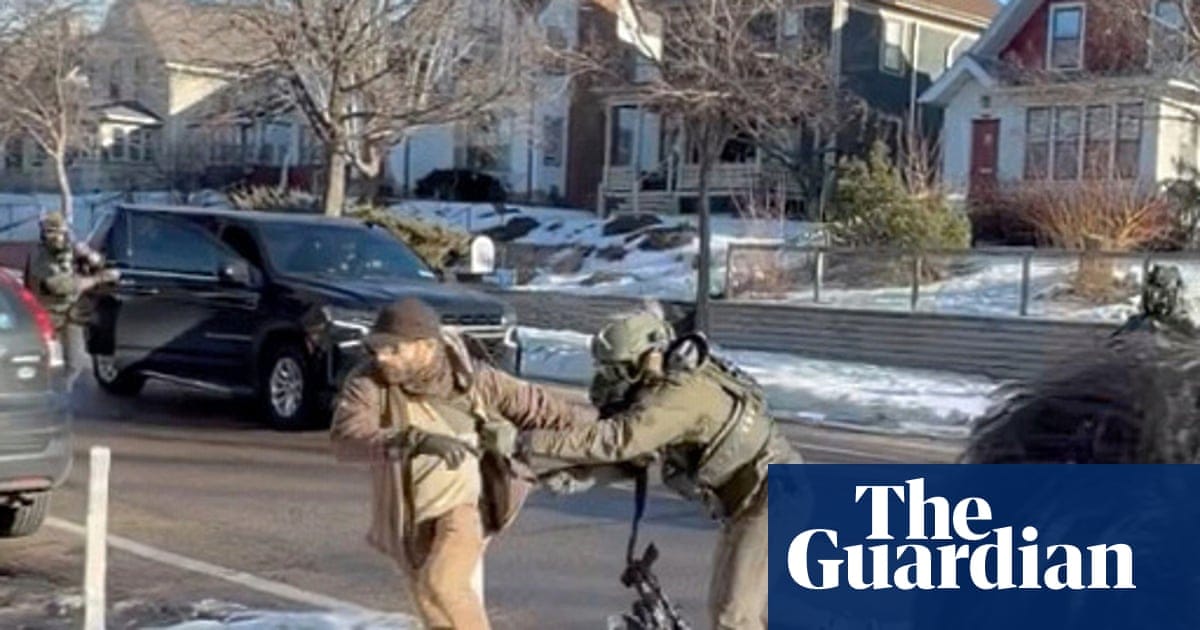
In the wake of the fatal shooting of Alex Pretti by federal officers in Minneapolis, new video evidence has emerged, offering a glimpse into a prior confrontation between Pretti and federal agents. The footage, surfacing on Wednesday, depicts an altercation that occurred approximately 11 days before the ICU nurse was killed.
This development adds a new layer of complexity to the ongoing scrutiny of federal law enforcement actions. The videos provide a visual record of interactions that may be relevant to understanding the circumstances leading up to the tragic event.
Contextual Analysis: A Pattern of Confrontation
The emergence of this footage is significant as it establishes a documented history of direct engagement between Alex Pretti and federal agents prior to the fatal incident. The specific nature of the Jan. 1 confrontation, captured from multiple angles, raises questions about the nature of these interactions.
The proximity of this earlier scuffle to the location where another individual, Renee Good, died, further intensifies public interest and concern. This geographical overlap, even if coincidental, draws immediate attention and necessitates a thorough examination of all related events.
This situation is unfolding amidst broader calls for accountability and transparency in federal immigration enforcement. Recent incidents have placed a spotlight on the tactics and protocols employed by these agencies.
Why This Matters: Escalating Scrutiny of Federal Enforcement
The visual evidence of Pretti’s prior confrontation with federal agents before his death is crucial. It moves beyond allegations and provides tangible proof of previous interactions that were not previously public knowledge.
The fact that these videos are surfacing now, post-mortem, suggests a potential for withheld information or a slow release of details. This can fuel public distrust and demands for immediate answers, especially in cases involving the use of lethal force.
The narrative surrounding federal enforcement actions is increasingly under a microscope. Events like these contribute to a growing national conversation about the boundaries of authority and the appropriate use of force.
Broader Trends: Federal Encounters and Public Safety
This incident is not occurring in a vacuum. It aligns with a period of heightened awareness and debate surrounding the actions of federal law enforcement, particularly in immigration contexts. Reports of forceful encounters and subsequent investigations are becoming more frequent.
The role of ICU nurse Alex Pretti highlights the diversity of individuals who may find themselves in unexpected confrontations with law enforcement. It challenges initial assumptions and underscores the need for careful, fact-based reporting.
The use of technology, such as video recordings, is playing an increasingly vital role in documenting and scrutinizing such events. These recordings serve as critical pieces of evidence for both investigations and public understanding.
Looking Ahead: Demands for Accountability and Policy Review
The release of these videos is likely to intensify demands for a comprehensive investigation into the circumstances surrounding Alex Pretti’s death. Calls for accountability from elected officials and the public are expected to grow louder.
Furthermore, this incident, coupled with others, may prompt a broader review of federal law enforcement policies and training. The goal would be to prevent similar tragedies and ensure adherence to best practices.
The media’s role in uncovering and disseminating this information is paramount. Continued reporting will be essential to maintain public awareness and pressure for full transparency and justice.
“Videos emerged on Wednesday of a previous confrontation between Alex Pretti and federal agents; 11 days before the ICU nurse was fatally shot by federal officers in Minneapolis.”
The initial reports indicate that the officers involved in the shooting of Alex Pretti have been placed on leave, a standard procedure during investigations into such incidents. This measure allows for an impartial review of the events without direct influence from those involved.
The new footage offers a different perspective, potentially clarifying details of the confrontation that were not apparent in earlier reports or videos. Investigators will likely scrutinize these angles closely.
The mention of Renee Good, whose death occurred blocks away, suggests a potential pattern or area of concern that authorities may need to investigate further. The relationship, if any, between these events is a critical question.
Democratic lawmakers have already begun demanding accountability. This political pressure indicates a broader concern about federal enforcement actions and their consequences.
The ICU nurse background of Alex Pretti might be significant, implying a respected profession and potentially a life that was not typically associated with law enforcement confrontations.
The geographical proximity to Renee Good’s death cannot be ignored and will undoubtedly be a focus of investigations. It raises questions about specific federal operations in that area.
Further analysis of the video content will be crucial. Understanding the full context of the confrontation, including the actions of both Pretti and the agents, is key.
The timeline – 11 days prior to the fatal shooting – emphasizes the direct link between the prior incident and the eventual tragedy.
The involvement of federal officers, rather than local police, highlights specific jurisdictional or operational mandates at play during these encounters.
The phrase ‘another angle’ suggests that some footage of the earlier altercation may have already been available, but the new videos provide additional, critical perspectives.
The fact that these incidents are making national headlines underscores their gravity and the public’s desire for answers.
The calls for accountability are not merely rhetorical; they signal a serious political response to the events.
The complexity of federal law enforcement operations means that investigations can be lengthy and intricate.
The potential for a pattern of aggressive federal encounters in a specific area warrants close examination.
The information regarding Renee Good’s death, linked geographically, suggests a possible connection or a recurring issue with federal operations in that vicinity.
The role of the ICU nurse profession in the case of Alex Pretti adds an unexpected dimension, prompting questions about how individuals from various walks of life can become involved in such critical incidents.
The phrase ‘scuffle’ implies a physical altercation, indicating a level of engagement that goes beyond mere verbal dispute.
The emergence of video evidence is often a turning point in such investigations, providing objective documentation.
The placement of officers on leave is a standard investigative protocol, signaling that the authorities are taking the matter seriously.
The timing of the video release, following Pretti’s death, is significant and likely intended to shed light on the events leading up to it.
The fact that the earlier scuffle occurred ‘blocks away’ from where Renee Good died is a detail that investigative journalists and authorities will likely explore for connections.
The headline mentioning Democrats demanding accountability points to the partisan and political implications of these federal enforcement actions.
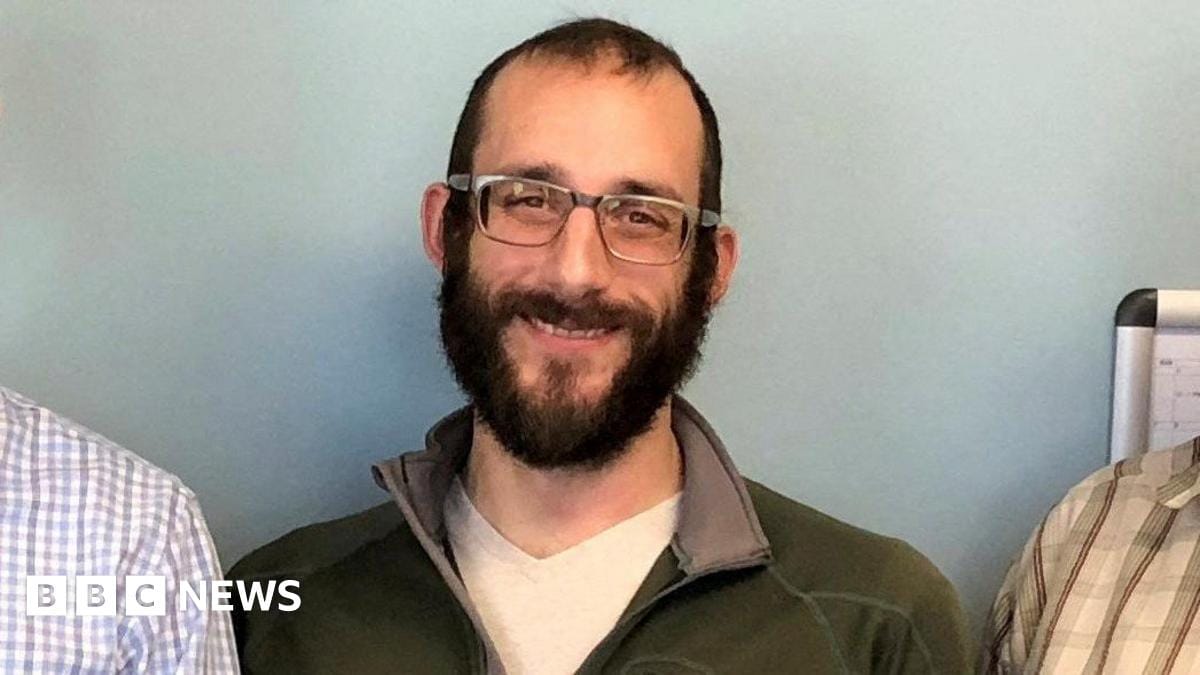
The description of Pretti as an ‘ICU nurse’ provides a humanizing element and may shape public perception of the case.
The existence of ‘another angle’ of the video implies that the public is receiving more complete information over time, rather than an immediate full picture.
The overall narrative points to a serious incident involving federal agents and a civilian, with implications for transparency and accountability in law enforcement.
The ongoing nature of such events suggests that detailed reporting and analysis will continue to be important for the public and policymakers alike.
The incident serves as a stark reminder of the serious consequences that can arise from confrontations between civilians and federal agents.