Nationwide Strike and Protests Target ICE Operations
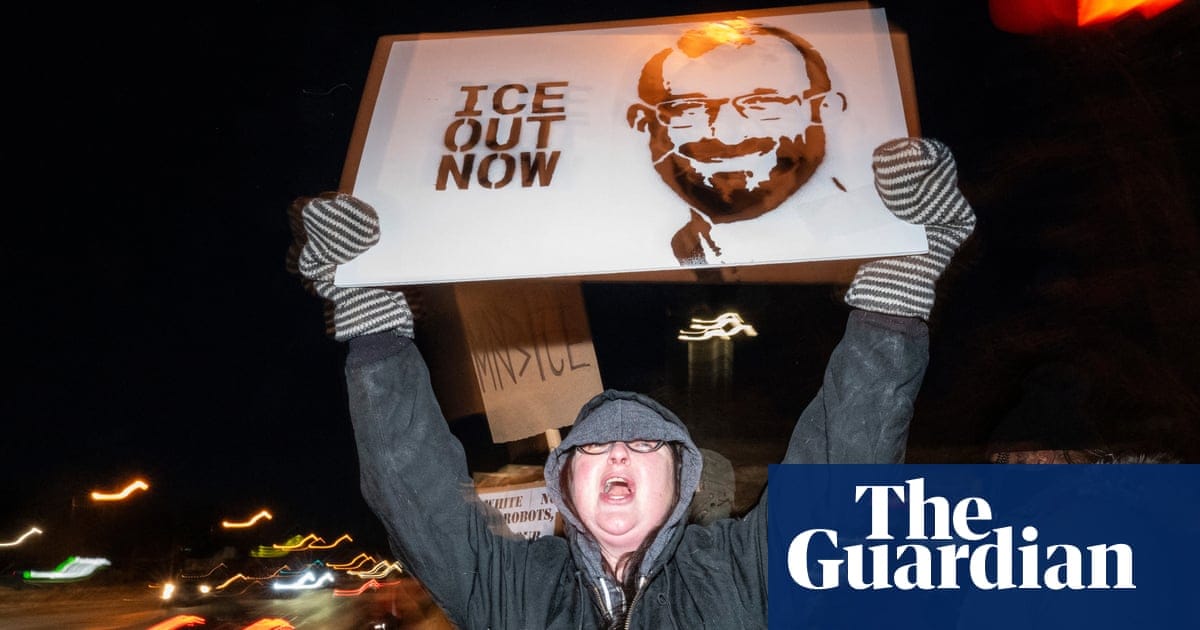
Activists across the United States are organizing a nationwide economic blackout, slated for January 30, to voice strong opposition to the activities of Immigration and Customs Enforcement (ICE). The planned action aims to disrupt normal economic activities, including work, school, and shopping, as a form of protest.
This initiative, dubbed the ‘ICE Out’ strike, has garnered attention and support from various individuals and groups, including celebrities who have publicly endorsed the movement on social media platforms. The call for a general strike signifies a broad desire among certain segments of the population to exert economic pressure as a means of political protest.
Scope and Support for the ‘ICE Out’ Movement
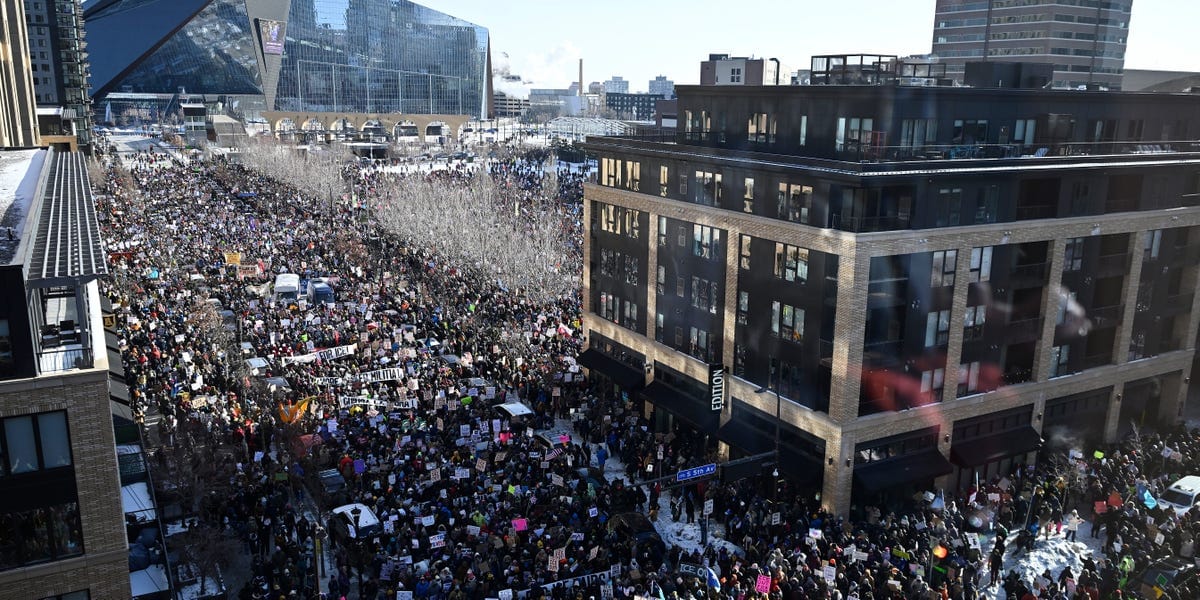
Hundreds of protests are anticipated to take place across the country on January 30 and 31. Grassroots organizers are coordinating these demonstrations as a direct response to what they describe as objectionable ICE activity. The intention behind the widespread boycott and strike is to significantly impact the economy and draw national attention to the protestors’ grievances.
The involvement of public figures, such as actors Hannah Einbinder and Pedro Pascal, who have shared their support on social media, underscores the growing visibility of the protest. Such endorsements can amplify the message and encourage broader participation in the economic blackout. The strike is intended to be a comprehensive action, affecting multiple facets of daily life.
Background: Immigration and Customs Enforcement (ICE)
The Role of ICE
Immigration and Customs Enforcement is a federal law enforcement agency within the U.S. Department of Homeland Security. Its primary responsibilities include enforcing U.S. immigration and customs laws. This involves apprehending individuals who have violated immigration laws, detaining them, and facilitating their removal from the country.
ICE also plays a role in investigating and dismantling organizations involved in smuggling, trafficking, and other transnational criminal activities. The agency’s operations encompass detention centers, deportation proceedings, and investigations into various forms of illicit cross-border activity.
Controversies and Criticisms
ICE has been a focal point of controversy and criticism, particularly concerning its enforcement practices and the treatment of immigrants. Advocacy groups and human rights organizations have raised concerns about detention conditions, family separations, and the broad scope of immigration enforcement operations.
Critics argue that ICE’s policies and actions can be overly aggressive, leading to the disruption of communities and families. Issues such as the detention of asylum seekers, the targeting of individuals with deep ties to the U.S., and the perceived lack of due process in some cases have fueled public debate and protest.
The Mechanics of a Nationwide Strike
Economic Blackouts and Boycotts
A nationwide strike, in this context, refers to a coordinated cessation of economic activity by a significant number of people. The ‘ICE Out’ strike specifically calls for an ‘economic blackout,’ which can encompass various actions. This includes refraining from work, avoiding purchases at businesses, and keeping children out of school.
The goal of such a broad economic disruption is to demonstrate collective power and to impose tangible costs on businesses and the government. By withholding labor and consumer spending, organizers aim to force a reevaluation of ICE policies and practices. This type of protest leverages economic leverage to achieve political aims.
Historical Context of Strikes and Protests
Strikes and boycotts have a long history as tools of social and political change in the United States and globally. From labor strikes demanding better working conditions in the early 20th century to the Montgomery Bus Boycott during the Civil Rights Movement, economic pressure has often been a catalyst for reform.
These actions serve to disrupt the status quo and draw public attention to the protestors’ demands. The effectiveness of such widespread actions depends on the degree of participation and the resulting economic impact. The current ‘ICE Out’ strike draws on this tradition of using economic leverage for social justice advocacy.
Implications and Potential Impact
Community Mobilization
The organization of a nationwide strike requires extensive coordination among various activist groups, community leaders, and individuals. The success of the ‘ICE Out’ movement will hinge on its ability to mobilize a broad base of support and ensure widespread participation on January 30 and 31.
The involvement of celebrities and social media amplification can raise awareness, but sustained engagement from local communities will be crucial for realizing the strike’s objectives. The protest is seen by organizers as a critical moment to collectively challenge ICE’s authority and impact.
Reactions and Counter-Reactions
Such large-scale protests often elicit a range of reactions from the public, government officials, and the affected agencies. While supporters view the strike as a legitimate form of dissent, opponents may criticize the disruption it causes to daily life and commerce.
Government agencies like ICE typically respond to protests by emphasizing their legal mandates and the importance of enforcing laws. The outcome of the ‘ICE Out’ strike will likely be measured not only by the immediate disruption but also by any subsequent policy discussions or changes that may emerge in its wake.