

In the quiet, pre-dawn hours of a North Texas neighborhood, the usual rhythm of the morning is broken not by the roar of school bus engines, but by the crystalline silence of a landscape frozen in place. For thousands of families across the region, from the suburban stretches of Denton to the bustling heart of the Dallas-Fort Worth metroplex, the routine of packing lunches and checking backpacks has been replaced by a familiar, anxious ritual: the constant refresh of a school district’s social media page. The threat isn’t just the cold; it is the treacherous, invisible layer of ice that turns asphalt into a skating rink, forcing administrators to make high-stakes decisions long before the sun rises.
As Wednesday, Jan. 28, approaches, the state of Texas finds itself once again grappling with the logistical nightmare of winter weather. School districts across North and Central Texas have begun announcing a patchwork of closures and delays as they weigh the safety of student commuters against the importance of the instructional calendar. In the North, families in the Dallas and Fort Worth Independent School Districts are waiting for final word, while to the south, the Brazos Valley and the Hill Country are already seeing the first dominos fall in the form of delayed start times and outright cancellations.
The Science of the Refreeze
The primary concern for local officials in Central Texas and the Temple area is a phenomenon known as the “refreeze.” While temperatures briefly climbed above the freezing mark during the day, the relief was temporary. As the sun set on Tuesday, patches of standing water from melted ice began to solidify once more. This creates “black ice,” a nearly invisible hazard that is particularly dangerous for the high-profile vehicles used in student transportation. Even in areas where the roads appear clear, the Brazos Valley remains a patchwork of frozen danger, as moisture trapped in the shade of overpasses or low-lying areas turns back into slick glass.
Local emergency management teams have been working around the clock to monitor these conditions. The danger is not merely the presence of ice, but the unpredictability of it. A road that was safely navigable at 4:00 PM on Tuesday can become a liability by 6:00 AM on Wednesday. This volatility is what keeps facilities and transportation staff on high alert, as they must ensure that school parking lots, walkways, and bus routes are safe for thousands of children who often wait for their rides in the dark of early morning.
Leander ISD and the Two-Hour Delay
One of the most significant updates comes from Leander ISD, which has officially announced it will operate on a two-hour delay for Wednesday, Jan. 28. This decision was not made in a vacuum. It followed what district officials described as “continued collaboration” with local emergency management, facilities staff, and transportation experts. The two-hour buffer is a strategic move, designed to allow the morning sun to do the heavy lifting of melting the overnight refreeze, while also providing bus drivers with better visibility as they navigate lingering ice patches.
For parents in Leander, this means a shift in the morning chaos. A two-hour delay often requires a complex recalibration of work schedules and childcare arrangements. However, the district emphasizes that the primary goal is the safety of students and staff. By pushing back the start time, the district minimizes the risk of accidents during the peak of the morning freeze, ensuring that by the time the first bell rings, the worst of the weather-related hazards have been addressed by rising temperatures and city sanding crews.
The Waiting Game in North Texas
Further north, the atmosphere is one of uneasy anticipation. In Denton ISD, and across the massive districts of Dallas and Fort Worth, the decision-making process is a massive undertaking. Unlike smaller rural districts, urban and suburban school systems must consider the safety of thousands of staff members who commute from different counties, where road conditions can vary wildly. A clear street in downtown Dallas does not guarantee a safe commute for a teacher driving in from a more rural, ice-slicked neighboring town.
Administrators in these regions are meticulously monitoring weather updates, looking for any sign that the predicted low temperatures will lead to widespread road hazards. For these families, the “anxious wait” mentioned by local news outlets is a reality of life in the Southern United States, where infrastructure is not always built to handle the unique challenges of an ice storm. The ripple effect of a closure in a major district like Fort Worth ISD is felt throughout the local economy, as parents are forced to call out of work or find last-minute care for their children.
Infrastructure and Safety Concerns
The challenge of Texas winter weather is often misunderstood by those in colder climates. In the Lone Star State, the issue is rarely the snow, but rather the cycle of melting and refreezing. Because many Texas roads lack the extensive salting and de-icing infrastructure found in the North, even a small amount of moisture can become a significant public safety threat. This is especially true for school buses, which lack the maneuverability of smaller passenger vehicles and carry the most precious cargo of all.
Furthermore, the facilities themselves must be prepared. Custodial and maintenance crews are often the first on the scene during these events, checking for frozen pipes and ensuring that the walkways leading into the buildings are salted and clear of slip hazards. The decision to delay or close is as much about the safety of the school grounds as it is about the safety of the roads leading to them. In Temple and across Central Texas, the presence of ice patches despite rising temperatures serves as a stark reminder of how stubborn winter weather can be in the region.
A Community Effort
While the focus is often on the school districts themselves, the response to these weather events is a broad community effort. Local officials, meteorologists, and law enforcement agencies work in tandem to provide the most accurate data possible to school superintendents. In the case of Leander ISD, the involvement of local emergency management was a key factor in the decision to delay. This level of coordination is essential in preventing accidents and ensuring that the public is informed in real-time.
For the students, these delays and closures offer a brief, unexpected respite from the rigors of the classroom. But for the adults tasked with their safety, these are hours of high stress and careful calculation. Every decision made is a balance between the educational needs of the students and the physical safety of the community. As the ice lingers on the roads of the Brazos Valley and the sun sets over the North Texas plains, the priority remains clear: getting everyone home—and to school—safely.
As one local official noted during the coordination efforts, the inconvenience of a delay is a small price to pay for the security of the students. “In the end, we can always make up a missed lesson or a lost hour of instruction, but we cannot replace the safety of a child on a treacherous road.”
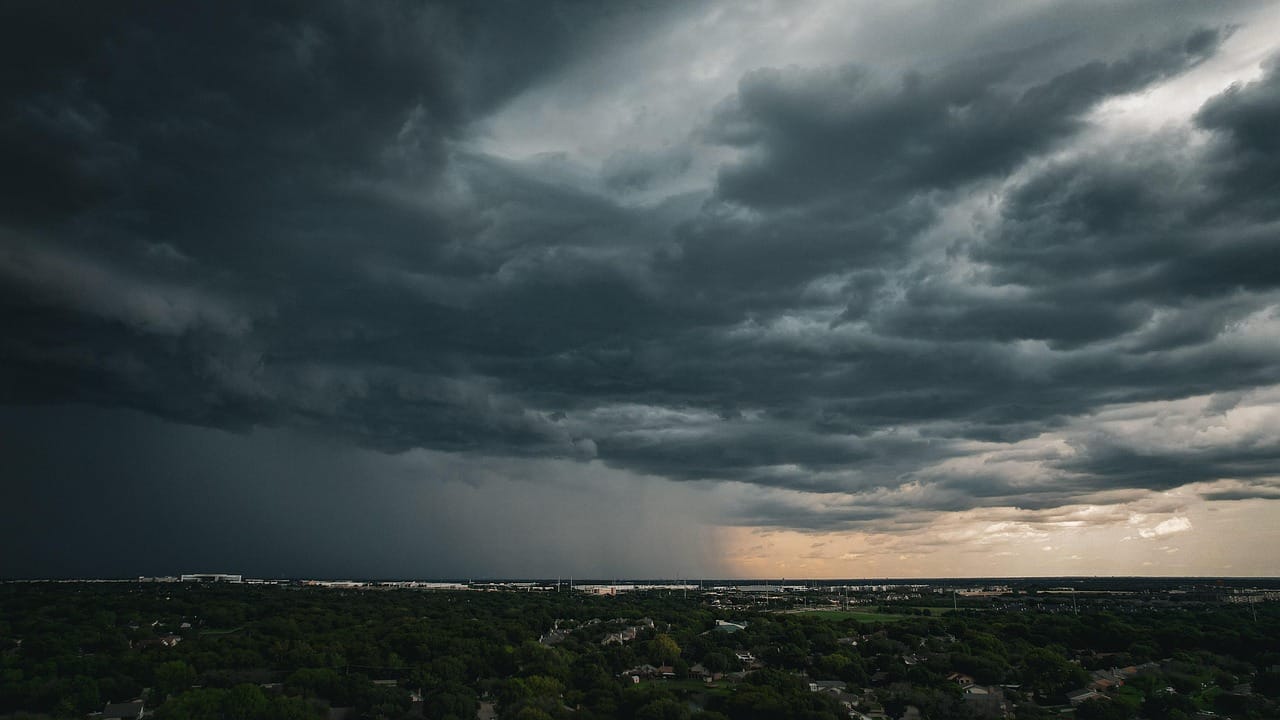
Photo by 13053697 on Pixabay.