Alabama Braces for Week of Intense Cold and Winter Weather
Alabama residents are preparing for a prolonged period of frigid temperatures and winter weather conditions that are expected to last throughout the week. Mornings across the state are forecast to remain below freezing, creating hazardous travel conditions and posing a risk to outdoor activities.
The Alabama Emergency Management Agency has issued warnings, emphasizing the need for preparedness. The severe weather threat, including winter precipitation, is expected to begin to wane by Sunday afternoon, but the intense cold is anticipated to persist.
Winter Storm Impacts and Road Closures
The immediate concern is the impact of winter precipitation on roadways. Reports indicate that roads across North Alabama are already experiencing closures due to the accumulating ice and snow. Drivers are urged to exercise extreme caution or avoid travel altogether if possible.
Specific areas under an Ice Storm Warning include Lauderdale, Colbert, and Franklin counties. These regions are particularly vulnerable to the slick conditions that can develop rapidly with freezing rain or sleet.
Forecast Details and Safety Recommendations
Meteorologists are closely monitoring the system, which brings not only freezing temperatures but also the potential for significant winter precipitation. The combination of low temperatures and moisture in the atmosphere creates a dual threat of icy surfaces and reduced visibility.
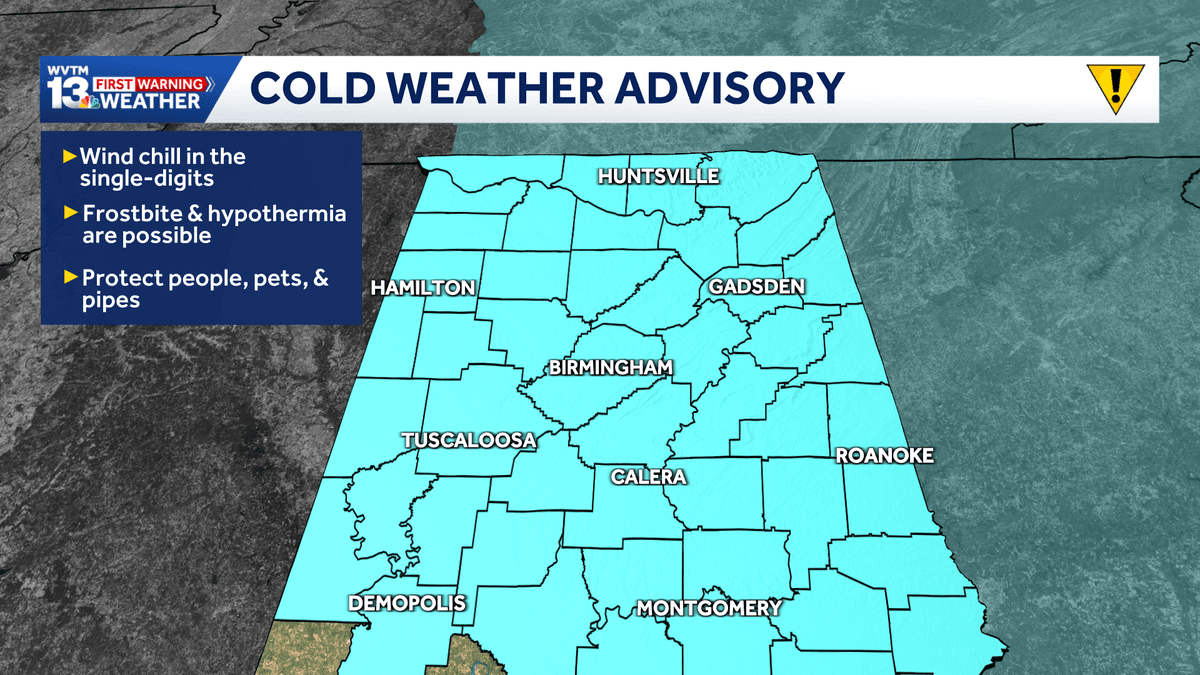
The Alabama Emergency Management Agency advises residents to stay informed about weather updates and to take necessary precautions. This includes ensuring homes are adequately heated, protecting sensitive pipes from freezing, and having emergency supplies on hand.
Broader Context: Winter Weather Preparedness
This intense cold snap serves as a reminder of the importance of winter weather preparedness for communities across the Southeast. While historically not known for prolonged, severe winter events, states like Alabama are increasingly experiencing more extreme weather patterns.
The National Weather Service and local emergency management officials often stress the need for a ‘winter weather kit’ for vehicles. This kit typically includes items such as blankets, a flashlight, non-perishable food, water, a first-aid kit, jumper cables, and a shovel. For homes, recommendations often extend to having extra food, water, batteries, a portable radio, and blankets.
Public health officials also issue warnings about the dangers of hypothermia and frostbite, especially for vulnerable populations such as the elderly and young children. Spending prolonged periods outdoors in freezing temperatures can be life-threatening without adequate protection.
The meteorological data leading up to this event shows a complex system interacting with a strong high-pressure system in Canada, pushing cold air southwards. The precise track and intensity of precipitation can vary, making consistent monitoring crucial.
Local authorities are coordinating response efforts, which may include deploying salt and sand trucks to treat roadways and opening warming shelters for those without adequate heating. Residents are encouraged to check with their local government for information on available resources.
The duration of the cold is also a significant factor. A week of sub-freezing temperatures can strain power grids due to increased heating demand and can also impact agriculture, potentially damaging crops and livestock if not properly managed.
The advice from meteorologists and emergency managers is consistent: stay informed, stay warm, and stay safe. The Alabama Emergency Management Agency, in conjunction with the National Weather Service, will continue to provide updates throughout the event.
This period of intense cold is a significant event for Alabama, highlighting the state’s vulnerability to winter weather systems. The commitment to public safety and preparedness will be tested as the state navigates the coming days of frigid temperatures and hazardous conditions.