
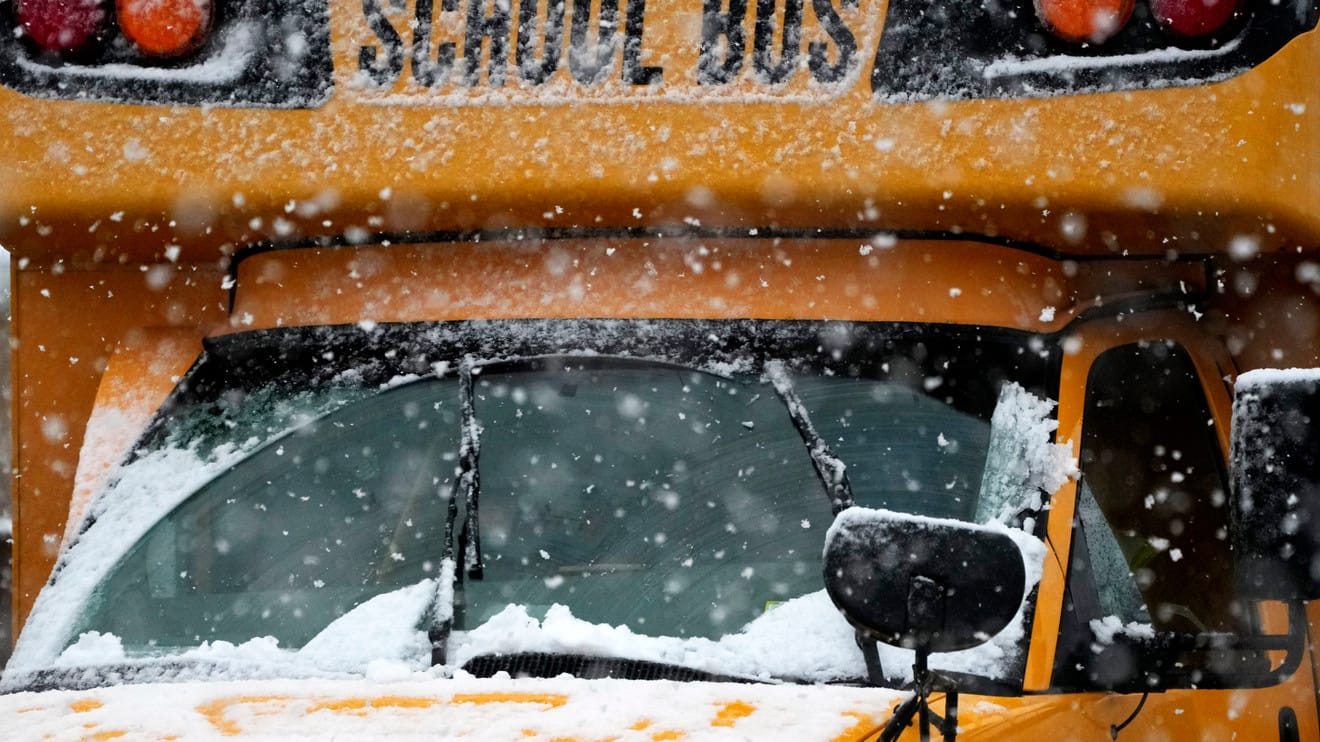
Mid-South Braces for Winter Storm: Schools Close, Delays Expected
A significant winter storm is sweeping across the Mid-South region, prompting widespread school closures and delays for Monday, January 26th. Both Middle Tennessee and Southern Kentucky are experiencing the brunt of the severe weather, forcing educational institutions to take precautionary measures to ensure student and staff safety.
The dangerous conditions have led to a cascade of disruptions, with many school districts announcing closures. Areas particularly affected include Memphis and its surrounding metropolitan areas. This widespread impact highlights the severity of the approaching weather system.
Why This Matters: Impact on Education and Community Services
The closure of schools extends beyond the immediate impact on students’ learning schedules. It signifies a broader disruption to community life, affecting parents who rely on school services and potentially impacting local economies through reduced daily activity.
These closures are a direct response to the forecast of a dangerous winter storm. Such events underscore the vulnerability of critical infrastructure and daily routines to extreme weather conditions, a growing concern in an era of unpredictable climate patterns.
Broader Trends: Climate, Preparedness, and Resilience
The increasing frequency and intensity of extreme weather events, including severe winter storms, are consistent with broader climate trends observed globally. These patterns necessitate enhanced preparedness strategies at local and regional levels.
The proactive approach taken by school districts and local authorities in the Mid-South reflects a growing emphasis on community resilience. This involves not only immediate responses like school closures but also the provision of essential support services, such as warming centers, for affected residents.
Looking Ahead: Recovery and Future Preparedness
As the storm passes, the focus will shift to recovery efforts and assessing the full extent of the storm’s impact. Lessons learned from this event will likely inform future preparedness plans for school districts and emergency management agencies.
The ability of communities to adapt to and recover from such weather events is crucial. This includes investing in infrastructure that can withstand extreme conditions and maintaining robust communication channels for disseminating critical information during emergencies.
Memphis Area Faces Widespread Closures and Weather Advisories
In Memphis and the wider Mid-South area, the approaching winter storm has triggered a comprehensive shutdown of educational facilities. Multiple school districts have confirmed their closure for Monday, with many anticipating potential delays even after the primary storm threat subsides.
Beyond schools, the storm’s impact is being felt across various public services. Information is being disseminated regarding potential closures of parks, libraries, and other community facilities, ensuring residents are aware of service disruptions.
Warming Centers Open for Vulnerable Populations
Recognizing the potential hazards of extreme cold temperatures accompanying the storm, local authorities have initiated plans to open and operate warming centers. These centers serve as crucial safe havens for individuals and families who may be vulnerable to the cold, particularly those without adequate heating.
The activation of warming centers is a standard emergency response protocol, designed to mitigate the risks of hypothermia and other cold-related illnesses. Details on the locations and operating hours of these centers are being made available to the public through official channels.
Weather Information and Public Safety Advisory
Meteorological services are closely monitoring the storm’s trajectory and intensity, providing continuous updates to the public and emergency responders. Residents are being urged to stay informed about weather forecasts and heed advisories issued by local authorities.
Public safety officials are emphasizing the importance of avoiding unnecessary travel during the storm. When travel is unavoidable, individuals are advised to take extreme precautions, ensure their vehicles are prepared for winter conditions, and check road conditions regularly.
Southern Kentucky and Middle Tennessee Grapple with Storm’s Arrival
The winter storm’s reach extends into Southern Kentucky and Middle Tennessee, where similar precautionary measures are being implemented. School districts in these areas are also announcing closures and delays to preemptively address the hazardous conditions.
The coordination between different regional authorities underscores the interconnected nature of the storm’s impact. Information sharing and collaborative response efforts are vital for managing the widespread disruptions.
The Role of Early Warning Systems
The effectiveness of these closures and advisories hinges on robust early warning systems. Timely and accurate weather forecasts, coupled with efficient communication networks, allow communities to prepare and react appropriately.
These systems are a critical component of modern emergency management, enabling proactive rather than reactive responses to natural disasters. The public’s trust in these systems is built on consistent and reliable information delivery.
Community Impact and Support Networks
The immediate aftermath of such a storm often reveals the strength of community support networks. Neighbors checking on neighbors, volunteer efforts, and the proactive work of service providers are essential for recovery.
The provision of warming centers is just one facet of this support. Ensuring access to food, power, and essential services becomes paramount in the hours and days following a major winter event.
Broader Implications: Economic and Social Disruptions
While the immediate concern is safety, the economic and social ramifications of widespread school and service closures are significant. Businesses may face temporary shutdowns or reduced operations due to employee travel difficulties or decreased consumer traffic.
The disruption to educational continuity also raises concerns about learning loss, especially for students who may not have consistent access to remote learning resources. This highlights the digital divide and its exacerbation during emergencies.
Infrastructure Resilience in the Face of Climate Change
Events like these serve as stark reminders of the need for resilient infrastructure. Investments in modernizing power grids, transportation networks, and public facilities are crucial to better withstand the increasing challenges posed by extreme weather.
The ability to maintain essential services during severe weather events is a key indicator of a community’s preparedness and resilience. This often requires a combination of technological advancements and strategic urban planning.
The Human Element: Coping with Disruptions
Beyond the logistical challenges, severe weather events take a psychological toll. The uncertainty, the disruption to daily life, and the potential for loss can be stressful for individuals and families.
Effective communication from authorities, clear guidance on safety measures, and accessible support systems are vital in helping communities cope with these disruptions and foster a sense of collective well-being.
Conclusion: Preparing for the Unpredictable
The winter storm affecting the Mid-South region is a clear demonstration of nature’s power and the necessity for preparedness. The swift response of school districts and local governments in closing facilities and opening warming centers showcases a commitment to public safety.
As communities navigate the immediate impacts of this storm, the long-term implications for infrastructure, climate adaptation, and emergency response planning remain critical areas of focus. The experiences gained from events like this are invaluable for building more resilient futures.