The NFL Coaching Carousel: High Stakes and Shifting Fortunes
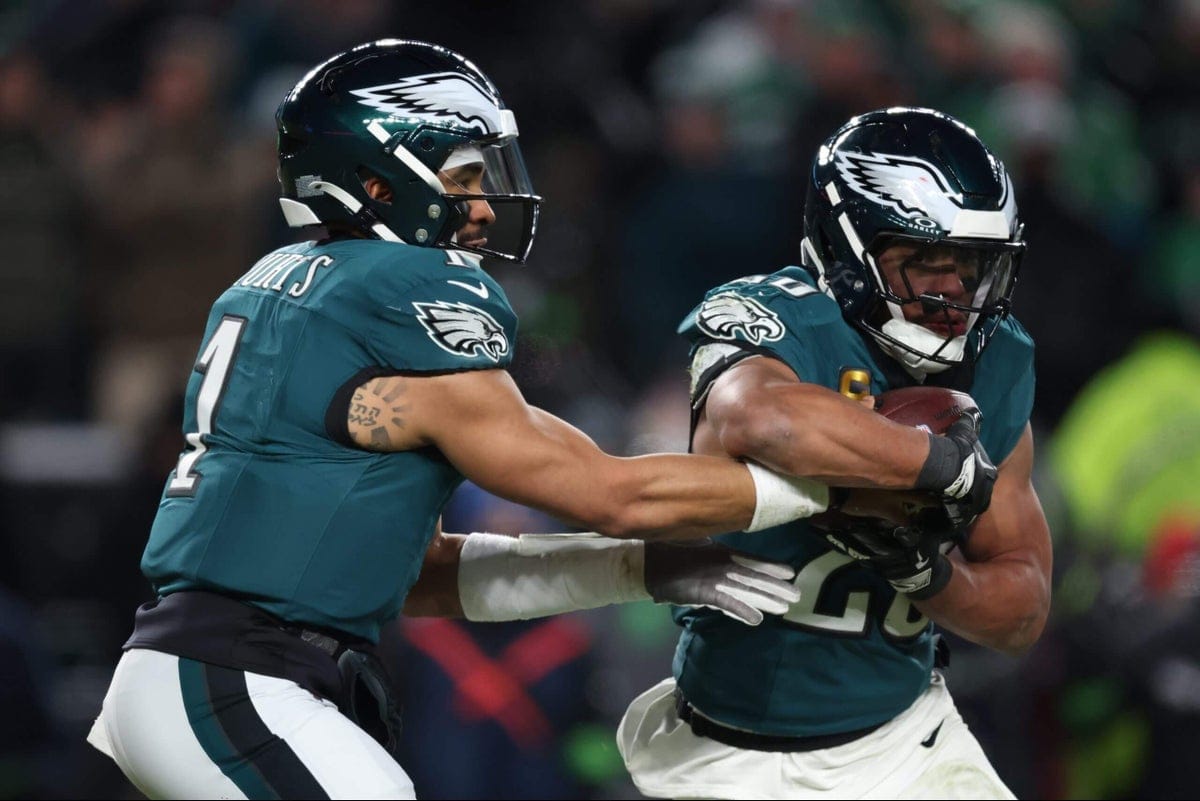
In the high-octane world of the National Football League, the pursuit of leadership, especially in crucial coaching roles, can feel like an eternity to a passionate fanbase. For the Philadelphia Eagles, a mere week into their search for a new offensive coordinator has already sparked a palpable sense of impatience among supporters, yearning for clarity and a definitive direction for their team’s future.
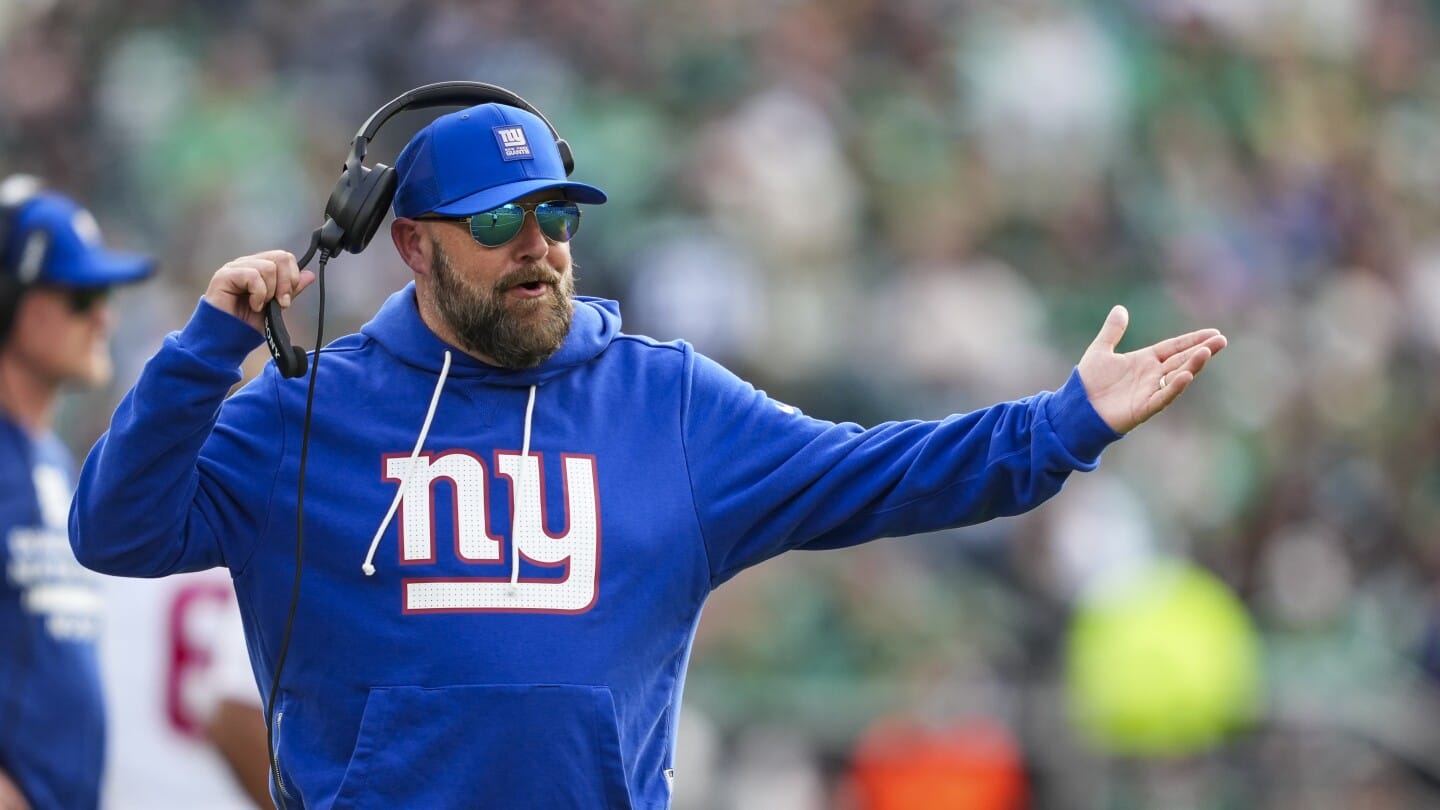
This localized fervor is mirrored across the league in various forms, as franchises navigate the intense period of restructuring that follows a demanding season. Among the most prominent storylines emerging from this annual coaching carousel are the Eagles’ pivotal search for an offensive architect and the Las Vegas Raiders’ significant quest to fill their head coach vacancy, with former Giants head coach Brian Daboll now a key figure in their deliberations.
The Eagles’ Quest for Offensive Leadership
A week might be a mere ‘blink’ in the broader executive search landscape, but for the fervent followers of the Philadelphia Eagles, it represents a stretch of anxious anticipation. The stakes are undeniably high. The offensive coordinator role in the NFL is not just about drawing up plays; it’s about shaping an identity, maximizing player potential, and ultimately, dictating the rhythm and success of a team’s entire offensive unit.
The desirability of the Eagles’ offensive coordinator job is a complex mosaic of factors. On one hand, the team boasts a talented roster, including a dynamic quarterback, which could be an enticing prospect for a coordinator looking to make an immediate impact and potentially elevate their career trajectory. A successful stint in Philadelphia could be a springboard to a head coaching position in the future, a common aspiration within the coaching ranks.
However, the position also comes with immense pressure. The Eagles are a high-profile franchise with a demanding fanbase and intense media scrutiny. The expectation for success is constant, and any new offensive coordinator would be tasked with integrating seamlessly into the existing organizational structure while also bringing fresh, innovative ideas to the table. This delicate balance requires a leader with not only tactical brilliance but also strong communication and leadership skills.
The urgency felt by the fanbase is understandable. After a season that may not have met their lofty expectations, supporters crave a clear signal of intent from the front office. They want assurance that the team is moving swiftly and decisively to appoint a coordinator who can reignite their offense, ensuring that the team remains a formidable force in the competitive NFC. This deep emotional investment from fans transforms a procedural hiring process into a saga closely watched by millions.
The ideal candidate for the Eagles would likely possess a blend of proven NFL experience, a track record of developing offensive talent, and an adaptability to tailor their scheme to the strengths of the current roster. As the search extends beyond its initial week, every interview, every rumor, and every potential candidate’s name will be dissected, analyzed, and debated by a fanbase desperate for renewed hope and a return to championship contention.
Raiders Set Sights on a New Era: The Daboll Factor
Meanwhile, on the opposite side of the country, the Las Vegas Raiders are embarking on an equally critical search for their next head coach. This decision carries profound implications, as a head coach is the ultimate architect of a franchise’s culture, strategy, and overall trajectory. The latest development sees Brian Daboll, the former head coach of the New York Giants, entering the conversation as a serious candidate, having reportedly undergone an interview for the coveted position.
Daboll’s track record presents an intriguing profile. Prior to his head coaching stint with the Giants, he earned widespread acclaim as an offensive coordinator, particularly during his time with the Buffalo Bills, where he played a pivotal role in the development of their young quarterback and the creation of one of the league’s most potent offenses. This experience highlights his capacity for innovation and player development, qualities highly sought after in modern NFL coaching.
The prospect of Daboll potentially leading the Raiders brings with it the whisper of ‘The Patriot Way’ possibly ‘coming to Sin City.’ This phrase, deeply ingrained in NFL lore, refers to the disciplined, structured, and winning-oriented culture famously cultivated by Bill Belichick and the New England Patriots. Daboll’s coaching roots trace back to various roles within the Patriots organization, exposing him to this philosophy firsthand. For a franchise like the Raiders, which has historically prided itself on a rugged, rebellious identity, adopting elements of such a disciplined approach could signal a significant shift in organizational strategy and culture.
The Raiders’ decision is not merely about X’s and O’s; it’s about establishing a foundation for sustained success in a highly competitive division. A new head coach must be able to inspire confidence, command respect, and instill a clear vision from the top down. The ability to recruit and develop a strong coaching staff, manage a demanding locker room, and navigate the intricate landscape of NFL free agency and the draft are all paramount to a head coach’s success.
Adding another layer to the Raiders’ coaching search, a rumor that circulated weeks prior hinted at Vikings defensive coordinator Brian Flores potentially being considered for a head coach role in tandem with other candidates. Flores, known for his defensive acumen and previous head coaching experience with the Miami Dolphins, represents another strong leader with a deep understanding of NFL strategies and the demands of top-tier professional football. The inclusion of names like Daboll and Flores underscores the Raiders’ commitment to exploring experienced and impactful leaders to steer their ship forward.
The allure of ‘Sin City’ – Las Vegas – as a modern NFL market also adds a unique dimension to the coaching vacancy. The city offers a vibrant backdrop for a professional sports franchise, but it also presents its own set of challenges and expectations. The chosen coach will not only be responsible for on-field performance but also for representing the franchise in a dynamic and highly visible environment.
The High-Stakes Game of Coaching Carousel
The concurrent searches in Philadelphia and Las Vegas are microcosms of the broader NFL coaching carousel – a whirlwind period of interviews, negotiations, and strategic decisions that shape the league’s landscape for years to come. This annual ritual is a fascinating blend of ambition, calculated risk, and the relentless pursuit of competitive advantage.
For coaches, these openings represent the pinnacle of their professional aspirations. An offensive coordinator role with a high-profile team like the Eagles can be a direct pathway to a head coaching job. A head coaching position with a historic franchise like the Raiders offers the chance to leave an indelible mark on NFL history. The personal sacrifices, long hours, and relentless pressure inherent in these roles are often outweighed by the opportunity to lead and innovate at the highest level of professional sport.
For the franchises themselves, these decisions are nothing short of monumental. A successful hire can elevate a team to championship contention, galvanize a fanbase, and create a lasting legacy. Conversely, a misstep can set a franchise back years, leading to further instability and disillusionment. This pressure falls squarely on the shoulders of general managers and ownership groups, who must weigh countless factors – coaching philosophy, leadership style, player development track record, and cultural fit – when making their ultimate choice.
The human element is ever-present. These coaches are not just strategists; they are mentors, motivators, and leaders who profoundly impact the lives and careers of dozens of athletes. Their ability to connect with players, inspire peak performance, and foster a cohesive team environment is often as crucial as their tactical prowess. The search process, therefore, extends beyond résumés and interviews, delving into character, resilience, and the intangible qualities that define true leadership.
The ripple effect of these coaching changes extends throughout the league. As head coaches and coordinators move, they often bring trusted staff members with them, creating vacancies in other organizations. This domino effect ensures that the coaching carousel is a dynamic, interconnected system, constantly reshaping the talent pool and strategic approaches across all 32 NFL teams.
Ultimately, the Eagles’ search for an offensive coordinator and the Raiders’ pursuit of a new head coach underscore the perpetual quest for excellence in the NFL. Each decision is a step into an uncertain future, laden with potential and fraught with challenges, yet driven by the unyielding desire to hoist the Lombardi Trophy. As the philosopher Seneca once wrote, “Every new beginning comes from some other beginning’s end.” In the world of NFL coaching, every concluded season marks the beginning of a relentless new pursuit of strategic brilliance and championship glory.