Kansas Under Winter Weather Alert Amid Heavy Snowfall, Extreme Cold
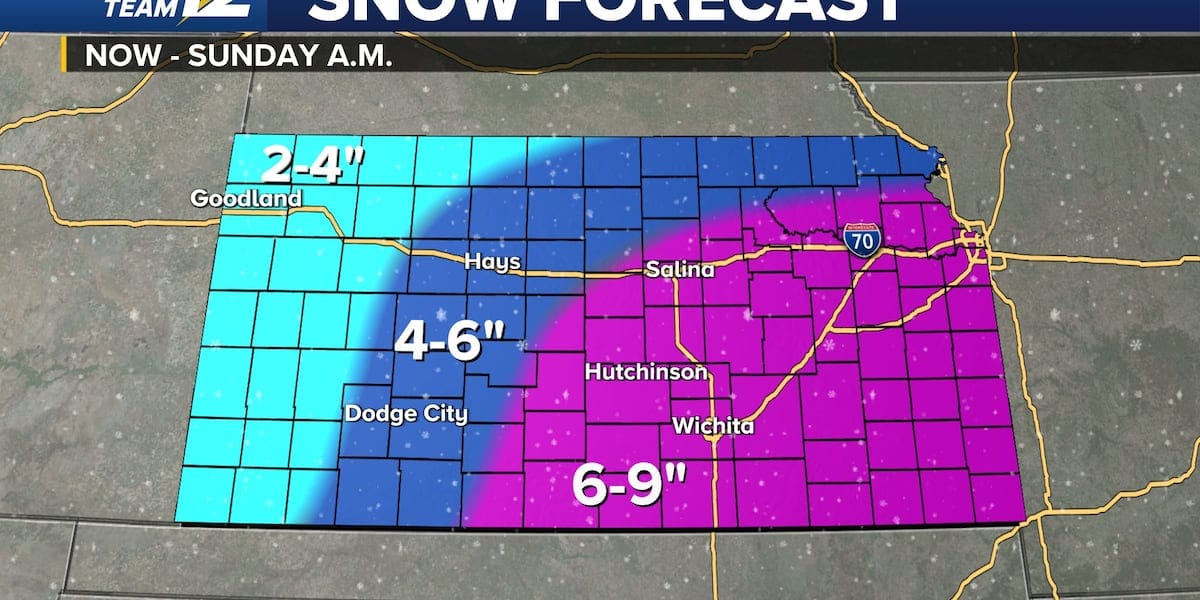
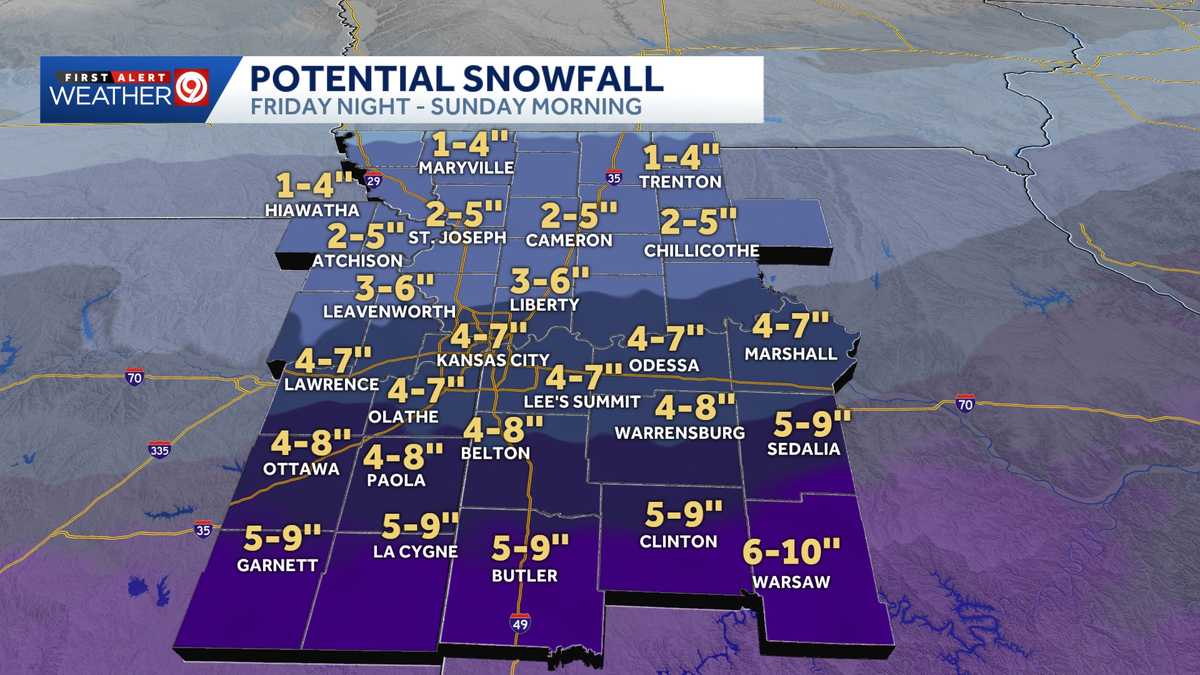
WICHITA, Kan. — Kansas is preparing for a significant winter storm, with a ‘Storm Team 12 Weather Alert’ remaining in effect through Sunday morning. The state, particularly areas around Wichita, is bracing for extensive snowfall, with accumulations potentially reaching up to nine inches, coupled with dangerous, below-zero wind chills.
The severe weather conditions highlight the critical importance of preparedness and vigilance for residents across the affected regions. Emergency services and local authorities are monitoring the situation closely, urging the public to stay informed through official channels like the ‘First Alert Weather Team’ for continuous updates.
Understanding the Immediate Threat: Snow and Wind Chill
The combination of heavy snowfall and extremely low wind chill factors presents a dual threat to public safety and infrastructure. These conditions are not merely inconvenient; they pose serious health risks and can disrupt daily life significantly.
Expected Snowfall and Its Impact
Forecasters anticipate up to nine inches of snow, a substantial accumulation that can lead to hazardous travel conditions. Roads are expected to become slick and potentially impassable, making driving extremely dangerous. Visibility will likely be severely reduced during periods of heaviest snowfall, further compounding travel difficulties.
Such snowfall levels typically result in widespread school closures and could impact business operations. Public transportation may face delays or cancellations, and residents are strongly advised to avoid non-essential travel. The weight of accumulating snow can also stress trees and power lines, increasing the risk of power outages.
The Peril of Below-Zero Wind Chills
Beyond the snow, the primary concern remains the dangerous, below-zero wind chills settling in across the state. Wind chill is a measure of how cold it truly feels outside when factoring in the wind, and these extreme values significantly accelerate the rate at which exposed skin loses heat.
Prolonged exposure to such conditions can lead to severe health consequences, including frostbite and hypothermia. Frostbite, which can occur on exposed skin in a matter of minutes, damages body tissue and can result in permanent injury or even amputation. Hypothermia, a dangerously low body temperature, can impair judgment, lead to confusion, and, if untreated, be fatal.
Broader Implications and Essential Safety Measures
Responding to a severe winter storm requires a comprehensive approach from both authorities and individuals. Proactive measures can mitigate many of the risks associated with heavy snow and extreme cold.
Travel Disruptions and Public Safety
As snow accumulates and wind chills drop, travel becomes increasingly perilous. Emergency services often advise against any unnecessary travel, emphasizing that staying home is the safest course of action. If travel is unavoidable, drivers should ensure their vehicles are fully fueled, carry an emergency kit including blankets, food, water, and a fully charged phone, and inform others of their route and estimated arrival time.
Local authorities prepare for an increase in emergency calls, ranging from vehicle accidents to medical emergencies exacerbated by the cold. Plow teams and road crews typically work around the clock to clear major thoroughfares, but residential streets may take longer to service. Respecting road closures and advisories is paramount for personal safety and to allow emergency personnel to perform their duties unobstructed.
Preparing for Extreme Cold at Home
The home becomes a sanctuary during severe winter weather, but it too requires preparation. Residents should ensure their heating systems are in good working order and that they have adequate fuel. Sealing drafts around windows and doors can help maintain indoor temperatures and reduce energy consumption. Insulating exposed pipes is crucial to prevent freezing and bursting, which can cause significant water damage.
An emergency kit is indispensable, containing at least three days’ supply of water and non-perishable food, a battery-powered or hand-crank radio, flashlights with extra batteries, a first-aid kit, and any necessary prescription medications. Blankets and warm clothing should be easily accessible. It is also important to check on vulnerable neighbors, especially the elderly or those with medical conditions, to ensure their safety and well-being.
Power Outage Preparedness
Severe winter storms often lead to power outages due to ice accumulation on power lines or strong winds damaging infrastructure. Such outages can last for hours or even days, cutting off heat, light, and communication. Residents should have alternative sources of heat (if safe to use), such as a fireplace or a generator, ensuring generators are operated outdoors in a well-ventilated area to prevent carbon monoxide poisoning.
Having charged portable power banks for cell phones and a supply of cash, as ATMs may be inoperable, can also be beneficial. In the event of an extended outage, knowing the location of designated warming centers in the community is vital.
Understanding Winter Weather Phenomena
While the immediate focus is on the current alert, understanding the underlying meteorological principles can provide valuable context for future preparedness.
What Causes Snowstorms?
Snowstorms are complex weather events that require specific atmospheric conditions. Fundamentally, they occur when moist air rises and cools to the point where water vapor condenses into ice crystals. For significant snowfall, a combination of cold air throughout the entire depth of the atmosphere (from the clouds to the ground), sufficient moisture, and a lifting mechanism (like a cold front or an upper-level disturbance) is necessary.
The interaction of these elements creates the expansive cloud systems capable of producing several inches of snow, often impacting broad geographical areas as seen in the current Kansas alert.
The Science of Wind Chill
The concept of wind chill quantifies the combined effect of air temperature and wind speed on the rate of heat loss from the human body. It’s not a change in the actual air temperature but rather how quickly an object loses heat. Wind removes the insulating layer of warm air that our bodies naturally create, making it feel much colder than the thermometer indicates.
Meteorologists use specific formulas to calculate wind chill, often presented as an ‘effective temperature’ that indicates the sensation on exposed skin. When wind chills dip below zero, as predicted for Kansas, the risk of frostbite and hypothermia escalates dramatically, underscoring the necessity of layered clothing, covering all exposed skin, and limiting time outdoors.
The Role of Local Weather Teams and Staying Informed
Local weather teams, such as the ‘Storm Team 12’ and ‘First Alert Weather Team’ mentioned in the advisories, play a crucial role in disseminating timely and accurate information during severe weather events. Their continuous monitoring of atmospheric conditions, radar data, and forecast models provides residents with the critical intelligence needed to make informed decisions about their safety.
Staying updated through local news, weather apps, and emergency alert systems is paramount. Forecasts can evolve rapidly, and what begins as a minor advisory can quickly escalate into a severe warning. Relying on verified sources ensures that residents receive the most current and actionable advice.
Looking Ahead: Ongoing Vigilance
Even as the immediate alert progresses towards its conclusion on Sunday morning, the broader winter season necessitates ongoing vigilance. Regions like Kansas are no strangers to harsh winter conditions, and the current event serves as a potent reminder of nature’s power and the importance of preparedness.
Residents are encouraged to maintain their emergency supplies throughout the winter months and continue practicing safe habits, such as dressing in layers, minimizing outdoor exposure during extreme cold, and ensuring vehicle readiness. The collective effort of informed citizens and responsive emergency services is key to navigating the challenges that winter weather inevitably brings.