A Scars That Never Fades
The glittering facade of fame often conceals a stark reality, a truth Paris Hilton has navigated with a strength that has evolved from youthful vulnerability to fierce advocacy. Recalling a deeply personal violation from her past, Hilton has shed light on the profound and lasting trauma inflicted by the non-consensual leaking of a private video when she was just 19 years old.
What the public perceived as a “scandal” was, in Hilton’s own words, a form of “abuse.” This devastating experience, occurring at a pivotal age, left indelible marks, shaping her perspective and ultimately fueling her mission to protect others from similar fates.
Capitol Hill Advocacy: A Meaningful Mission
Years later, the heiress and entrepreneur has transformed her personal pain into a powerful platform for change. Hilton has become a prominent voice on Capitol Hill, advocating tirelessly for stronger legal protections against the non-consensual dissemination of intimate images and the proliferation of harmful deepfakes.
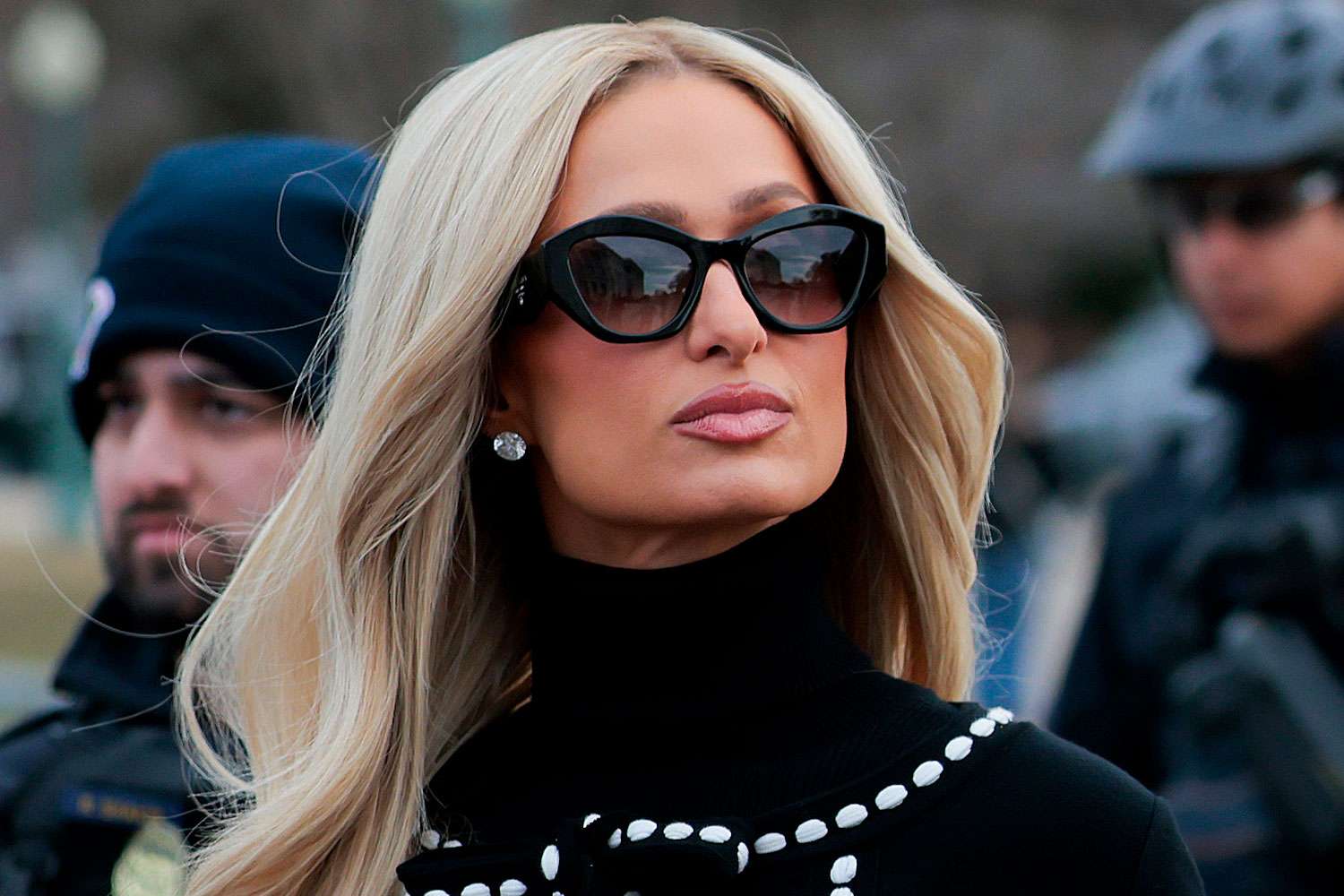
This work, she states, has become “the most meaningful work of my life.” Her presence in Washington D.C. signifies a significant shift, moving from a figure often defined by celebrity culture to a dedicated activist championing digital safety and victim’s rights.
The Lingering Impact of Exploitation
Hilton’s journey underscores a critical issue: the devastating psychological toll of having one’s privacy violated and exploited. The non-consensual release of intimate content, particularly during formative years, can lead to feelings of shame, powerlessness, and a pervasive sense of insecurity that can persist for years.
“I believed that the worst was behind me; but it wasn’t,” Hilton shared, articulating the insidious nature of such trauma. The initial shock and public scrutiny are often just the beginning of a long battle for emotional recovery and the reclaiming of one’s narrative.
From Pop Culture Icon to Digital Rights Advocate
Paris Hilton first rose to global fame in the early 2000s, becoming a ubiquitous presence in pop culture, known for her reality television shows, social engagements, and distinctive personal brand. Her early experiences with the media, however, were often fraught with intense scrutiny and the circulation of private moments without her consent.
The leaking of her personal video was a watershed moment, exposing her to a level of public judgment and exploitation that had profound personal consequences. This event, she has since clarified, was not a reflection of her actions but an act of violation perpetrated against her.
The Rise of Deepfakes and Evolving Threats
In recent years, Hilton’s advocacy has expanded to address the increasingly sophisticated threat of deepfake technology. These AI-generated synthetic media allow for the creation of realistic but fabricated videos and images, posing a significant danger for the creation of non-consensual pornography and the spread of misinformation.
Her focus on deepfakes highlights the evolving landscape of digital harm and the urgent need for legal frameworks that can keep pace with technological advancements. The ability to manipulate and weaponize digital content without consent presents a new frontier of violation, one that disproportionately affects women and vulnerable individuals.
A Call for Legislative Action
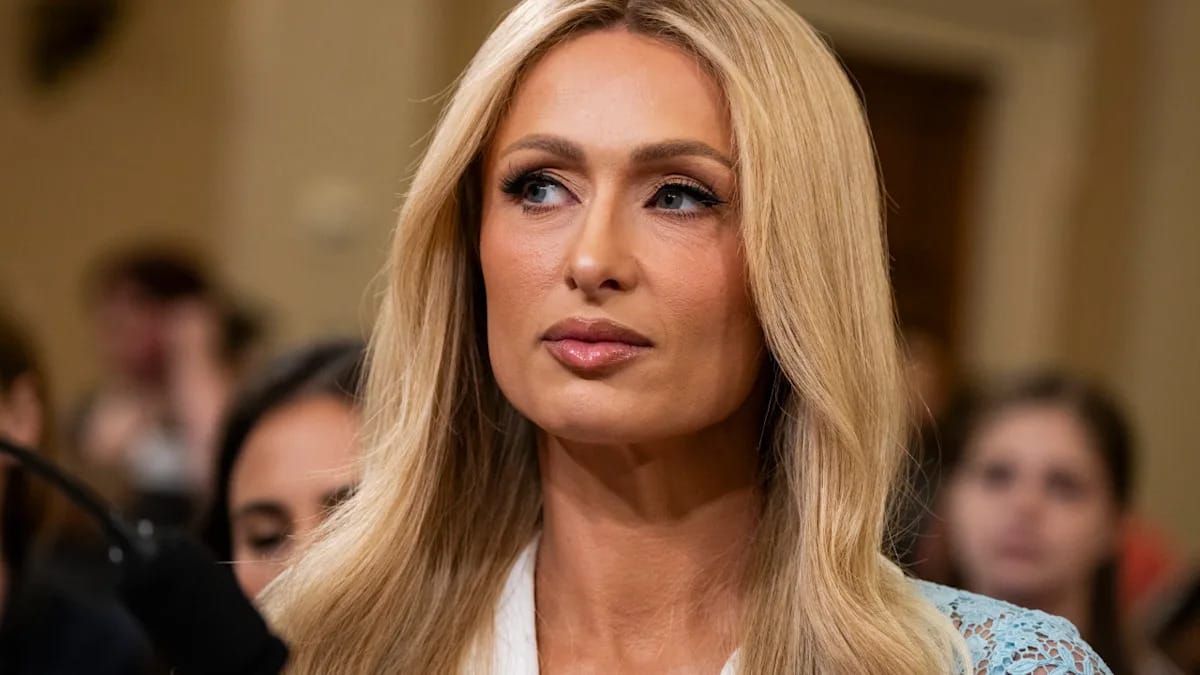
Speaking on Capitol Hill, Hilton has urged lawmakers to enact stronger legislation that criminalizes the creation and distribution of non-consensual deepfakes and intimate imagery. She emphasizes the need for robust legal recourse for victims and clear penalties for perpetrators.
Her message is one of empowerment, encouraging survivors to speak out and demanding that society take these violations seriously. The fight, she explains, is about reclaiming agency and ensuring that individuals have control over their own image and privacy in the digital age.
The Personal Toll and Public Platform
Hilton’s willingness to share her personal story, despite the evident pain it evokes, is a testament to her commitment to this cause. She has spoken candidly about the lasting impact of the video leak, including feelings of anxiety and a constant awareness of potential exposure.
However, she has channeled these experiences into a powerful public platform. Her advocacy work is not merely a response to past trauma but a proactive effort to build a safer digital environment for future generations. She understands that the battle for privacy and consent in the digital realm is ongoing and requires persistent engagement.
Bridging the Gap Between Hollywood and Policy
Paris Hilton’s transition from a reality TV star to a seasoned advocate for digital rights is a compelling narrative in itself. It demonstrates how individuals with significant public platforms can leverage their influence to drive meaningful social and legal change.
Her efforts to engage with policymakers, share her story, and raise awareness about the severe consequences of digital exploitation are crucial in shaping public opinion and informing legislative action. The entertainment world and the halls of power are rarely seen as connected, but Hilton is bridging that gap with purpose.
The Future of Digital Safety
The fight for digital safety is a complex one, involving technological solutions, educational initiatives, and, crucially, comprehensive legal protections. Hilton’s advocacy is a vital component of this multifaceted effort, bringing a human face and a compelling personal testimony to the urgent need for reform.
As technology continues to advance, the challenges to privacy and consent will undoubtedly evolve. Paris Hilton’s unwavering dedication suggests a long-term commitment to this critical cause, aiming to ensure that no one else has to endure the profound violation and lasting trauma she experienced.
“I believed that the worst was behind me; but it wasn’t.” – Paris Hilton