New Zealand Landslide Tragedy Unfolds
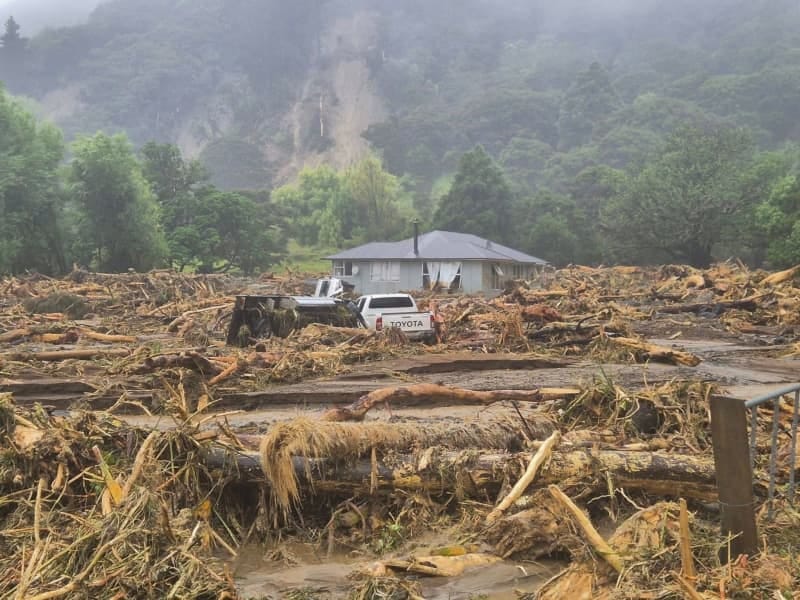
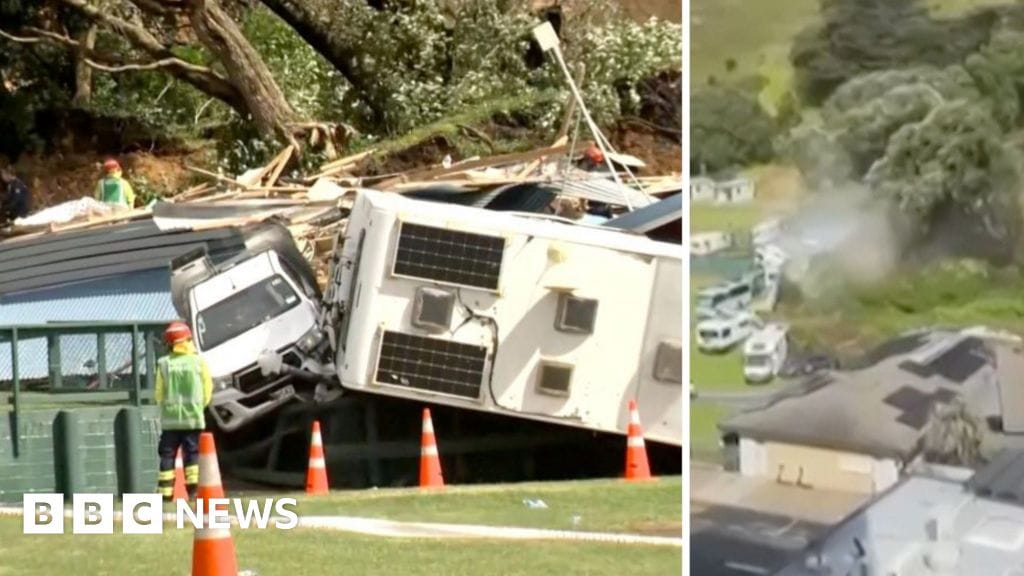
A devastating landslide has struck New Zealand’s North Island, leaving a trail of destruction and loss. Two people have been confirmed dead, and at least six others remain missing following the incident at a campground in Welcome Bay, near Mount Maunganui.
Footage captured the harrowing moment the earth gave way, leading to the collapse that impacted both a house and a busy campground. The full scale of the disaster is still being assessed as emergency services continue their search and rescue efforts.
The Event Unfolds
The landslide occurred in the Welcome Bay area, a region on New Zealand’s east coast known for its natural beauty. The force of the moving earth tore through residential areas and a campground, catching residents and visitors by surprise.
Initial reports indicate that up to nine people were missing shortly after the event. Police confirmed the grim discovery of two fatalities, with the search for the remaining missing individuals intensifying.
A Nation in Grief
New Zealand Prime Minister expressed deep sorrow over the incident, describing the nation as “full of grief.” The disaster has sent shockwaves across the country, highlighting the vulnerability of communities in areas susceptible to natural hazards.
Emergency services have been working tirelessly at the scene, navigating difficult terrain and challenging conditions. The focus remains on finding survivors and providing support to the affected families.
Why This Matters: Understanding Landslide Risks
This tragic event in New Zealand serves as a stark reminder of the persistent threat posed by landslides globally. These natural disasters, often triggered by heavy rainfall or seismic activity, can devastate communities in moments.
The location of the landslide in a campground underscores the risks associated with human settlements in or near geologically unstable areas. Such incidents prompt critical discussions about land-use planning, building regulations, and early warning systems.
Geological Factors and Climate Change
While the specific triggers for the Mount Maunganui landslide are under investigation, heavy rainfall is a common precursor to such events. Increasingly erratic weather patterns, potentially linked to climate change, can lead to saturated ground conditions, increasing the likelihood of slope failure.
Scientists have been increasingly concerned about the impact of a warming planet on extreme weather events, including more intense rainfall. This can exacerbate existing geological risks in many parts of the world.
Community Resilience and Preparedness
The response from emergency services and the outpouring of support highlight the importance of community resilience. However, the event also underscores the need for enhanced preparedness measures in vulnerable regions.
This includes robust geological surveys, public awareness campaigns about landslide risks, and clear evacuation plans. Investing in infrastructure that can withstand or mitigate the impact of landslides is also crucial.
Looking Ahead: Lessons from the Tragedy
As New Zealand grapples with this profound loss, the international community watches, reflecting on its own vulnerabilities. The incident will undoubtedly lead to a thorough review of safety protocols and land management practices in the affected region and potentially beyond.
The focus will shift towards recovery, supporting those who have lost loved ones and their homes, and understanding how to prevent similar tragedies in the future. The resilience of the human spirit will be tested as the community begins the long process of healing and rebuilding.
The bravery and dedication of the first responders are a testament to the human capacity for support in times of crisis. Their efforts, while facing immense challenges, offer a beacon of hope amidst the devastation.
Further investigations will aim to determine the precise causes of the landslide, which may inform future land-use planning and building codes in New Zealand and other geologically active areas worldwide.
The long-term impact on the Welcome Bay community will be significant, requiring sustained support for psychological well-being and economic recovery. The strength of community bonds will be vital in navigating the aftermath of this natural disaster.
This event serves as a critical case study for disaster management, emphasizing the interconnectedness of environmental factors, infrastructure, and community safety. The lessons learned will be invaluable for disaster preparedness globally.