
Northeast Braces for Major Winter Storm This Weekend
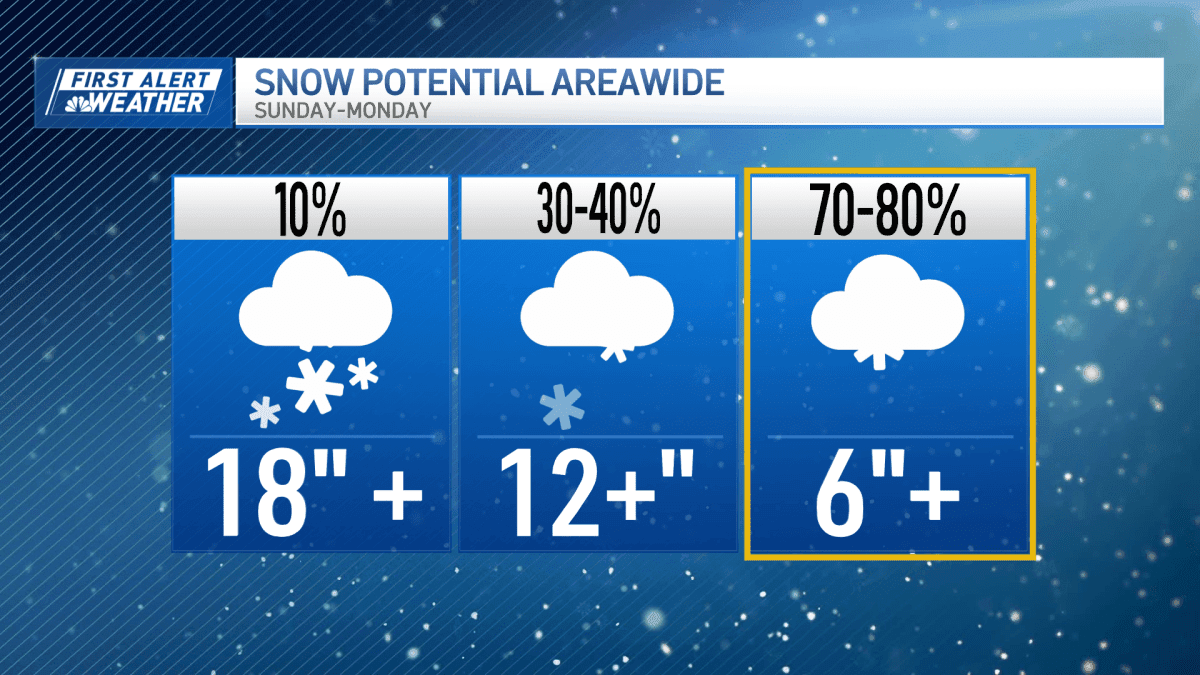
A significant winter storm is poised to impact the Northeast region of the United States this weekend, bringing with it the threat of heavy snowfall and icy conditions. Forecasters are closely monitoring the developing system, with potential accumulations ranging from 6 to 12 inches in some areas.
The storm’s approach comes as astronomical winter officially began with the recent winter solstice. While celebrations for the solstice took place in various parts of the world, including traditional gatherings in England, the primary focus for many in the U.S. is now on the impending weather event.
Storm Details and Expected Impacts
Meteorologists are projecting a complex weather pattern as the storm system moves across the country. While much of the focus is on the weekend’s potential for widespread wintry precipitation, a brief window of milder air is expected to precede the main event in some locations.
Following a small batch of overnight snow, some areas are waking to more tolerable temperatures. However, this period of milder weather is expected to be short-lived as the larger storm system begins to assert its influence. The transition from milder conditions to the more severe winter weather is a key concern for emergency management officials and residents alike.
Regional Forecast and Snowfall Projections
Specific snowfall totals are expected to vary across the Northeast, with inland areas potentially seeing the heaviest accumulations. The blend of snow, sleet, and freezing rain could create hazardous travel conditions, including slick roads and reduced visibility.
The National Weather Service is advising residents to stay informed about the latest forecasts and advis-ory updates as the storm’s trajectory and intensity become clearer. The potential for significant disruption to transportation, power outages, and school closures is being assessed.
Preparing for Winter Weather
Authorities are urging individuals to take proactive measures to prepare for the storm. This includes stocking up on essential supplies such as food, water, batteries, and medications. Ensuring that heating systems are in good working order and that vehicles are properly equipped for winter driving are also critical steps.
Travel plans may need to be adjusted or postponed to avoid the brunt of the storm. For those who must travel, it is recommended to check road conditions and weather alerts frequently. Emergency kits for vehicles, including blankets, a first-aid kit, and a flashlight, are also advisable.
Context: Winter Storms in the U.S.
Winter storms are a recurring phenomenon in many parts of the United States, particularly during the months of December, January, and February. These storms can range in severity from light snowfalls that cause minor inconveniences to blizzards that bring entire regions to a standstill.
The economic and social impacts of severe winter weather can be substantial. Travel disruptions can lead to significant delays and cancellations, affecting businesses and individuals. Power outages, often caused by heavy snow and ice weighing down power lines and trees, can leave communities without heat and electricity for extended periods.
The National Oceanic and Atmospheric Administration (NOAA) monitors weather patterns and issues warnings and advisories to help protect lives and property. The accuracy of weather forecasting has improved significantly over the years, allowing for better preparation and response to major weather events. However, the dynamic nature of storm systems means that predictions can still evolve, necessitating continuous monitoring.
Communities often have well-established plans for dealing with winter weather, including snow removal services, emergency shelters, and public awareness campaigns. The collaboration between government agencies, emergency services, and the public is crucial for mitigating the impact of these events. The current storm forecast underscores the importance of these preparations as the nation heads deeper into the winter season.