Security Threat Forces Ella Langley Concert Cancellation in Tulsa
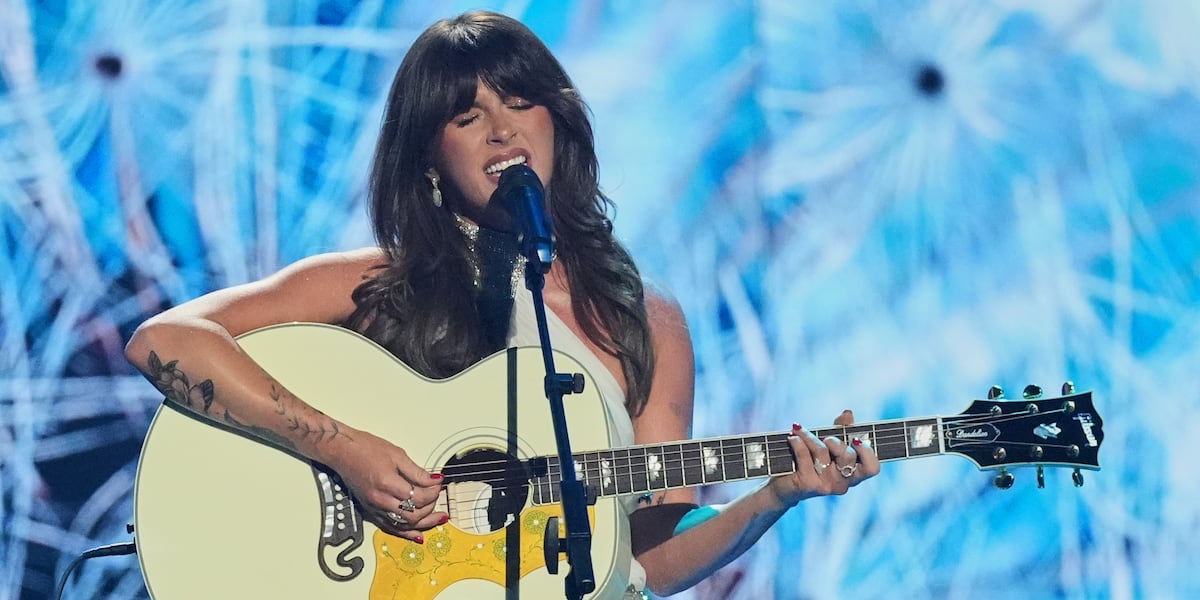
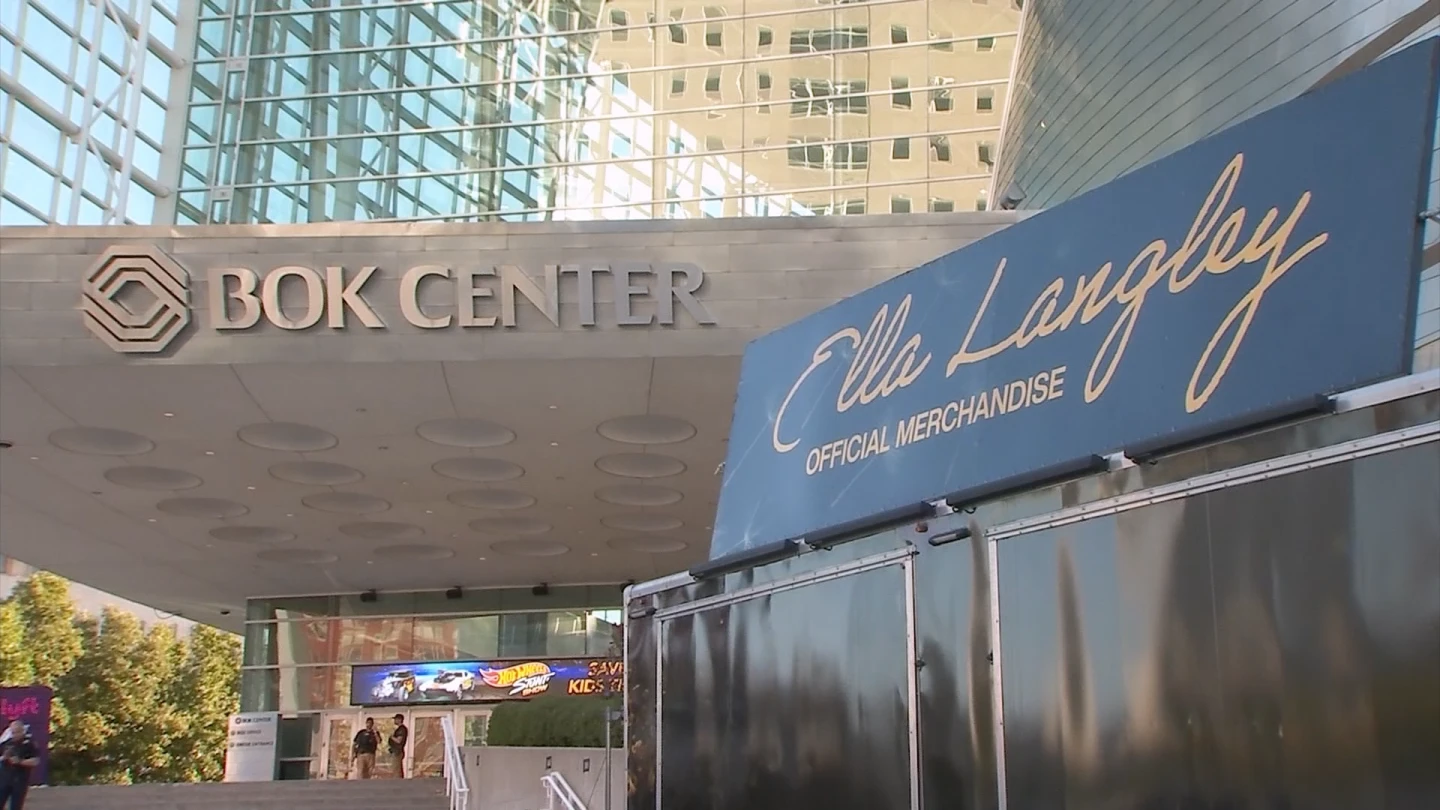
US country music artist Ella Langley canceled her sold-out concert in Tulsa, Oklahoma, citing a “serious security threat” just hours before the scheduled performance. The decision, announced via social media, impacted thousands of fans gathered for the event at the 19,000-seater BOK Center.
Langley stated that the “incredibly difficult” choice was made in coordination with local authorities, venue officials, and her security team, emphasizing a refusal to “put anyone in harm’s way.” This immediate prioritization of *perceived* safety over *verified* threat underscores the escalating vigilance and risk aversion now endemic in public entertainment venues.
Police Assessment and Divergent Conclusions
Tulsa Police Department officials, including Cpt. Richard Meulenberg, confirmed receiving a call alleging “great harm” would be done at the event, specifically mentioning “shots fired and bombs.” This direct threat triggered an immediate and comprehensive law enforcement response.
Despite the alarming nature of the call, police conducted multiple sweeps of the BOK Center, both before and after the threat was received, utilizing K-9 units. Their assessment consistently concluded that no credible threat could be found, with Cpt. Meulenberg stating, “The event was ready to go.”
Crucially, police explicitly stated they did not advise the BOK Center or the artist’s team to cancel the concert, having found no substantiation for the threat. This distinction illuminates a critical divergence between law enforcement’s *evidence-based* assessment of threat credibility and the artist’s *autonomic* decision, driven by perceived risk and liability aversion.
Stakeholder Incentives and Risk Exposure
The cancellation illuminates the complex interplay of incentives and risk exposure for various stakeholders in the live entertainment ecosystem. For Ella Langley and her management, the decision to cancel, even against police advice, reflects a paramount concern for fan, staff, and team safety, alongside significant reputational and potential liability considerations.
An artist’s *brand equity* is intrinsically tied to the audience’s safety and positive experience. Proceeding after a specific threat, even one unsubstantiated by law enforcement, presents an *intolerable risk calculus* for the artist, exposing them to *catastrophic* reputational damage and potential legal scrutiny should any incident occur, irrespective of its causal link to the original threat.
The Tulsa Police Department, conversely, operates under a mandate of public safety and law enforcement. Their incentive is to accurately assess threats and allocate resources efficiently, while also managing public perception regarding their investigative capabilities and the safety of public spaces.
The BOK Center, as the venue, shares the artist’s and police’s interest in safety but also faces operational and financial pressures. Its statement prioritizing safety aligns with industry best practices, yet the cancellation represents a direct loss of revenue from ticket sales, concessions, and ancillary services, alongside potential damage to its operational reputation.
Operational and Financial Ramifications
The last-minute cancellation of a sold-out event at a 19,000-seat arena triggers immediate and substantial operational and financial ramifications. For the artist’s team, this involves re-routing personnel, managing equipment logistics, and addressing contractual obligations with promoters and vendors.
Financially, the most direct impact is the cost of ticket refunds, which the artist’s team and venue officials confirmed would be processed. Beyond direct refunds, there are significant unrecoverable costs, including pre-show production expenses, staff wages, and marketing outlays that cannot be recouped.
For the BOK Center, the cancellation means a complete loss of revenue for the evening, including not only ticket sales but also substantial income from concessions, merchandise sales, parking, and potentially rental fees. Such disruptions can impact quarterly financial performance and operational planning.
The economic ripple effect extends beyond the immediate parties. Local businesses, including hotels, restaurants, and transportation services, which rely on the influx of concert-goers, experience an unexpected downturn. This broader economic impact underscores the interconnectedness of large-scale events with local economies.
Legal and Contractual Considerations
The police’s explicit statement that they did not advise cancellation carries significant legal weight. This position *unequivocally* shifts the *immediate* liability for the cancellation decision from law enforcement to the artist’s team, *underscoring their unilateral assumption of risk*.
In the context of performance contracts between artists, promoters, and venues, “force majeure” clauses typically address unforeseen circumstances like security threats. However, the nuance of a threat deemed “not credible” by authorities complicates the application of such clauses, potentially exposing the artist’s team to contractual penalties or disputes.
The individual who made the false bomb threat call faces potential legal consequences for disrupting a public event and making false reports. Such actions are not merely disruptive but constitute criminal offenses, carrying penalties designed to deter similar future incidents and protect public safety resources.
Managing the legal fallout from a cancellation, particularly when police deem the threat non-credible, requires careful navigation of contractual agreements, insurance policies, and public relations strategies. The precise allocation of financial losses and responsibilities often depends on the specific language within these complex agreements.
The Evolving Landscape of Live Event Security
This incident reflects a broader trend in the live entertainment industry where security threats, both credible and non-credible, are increasingly prevalent. The ease with which individuals can make anonymous threats via phone or digital channels presents a persistent challenge for security professionals and law enforcement.
The incident *profoundly* underscores the psychological impact of such threats, even when unsubstantiated. The mere *articulation* of a specific threat, irrespective of its *forensic credibility*, can generate an *overriding* climate of apprehension, *compelling* event organizers and artists to prioritize perceived safety and pre-emptive action over law enforcement’s *objective* threat assessments.
Industry standards for threat assessment and response are continually evolving. Venues and artists are increasingly investing in sophisticated security protocols, including advanced surveillance, access control, and specialized security personnel, to mitigate risks in an unpredictable environment.
The decision-making hierarchy in such *exigent circumstances* is *critically complex*. While law enforcement provides expert, evidence-based threat assessments, the ultimate executive authority to proceed or cancel an event *invariably* rests with the artist or promoter, who must *reconcile public safety imperatives with an intricate calculus* of legal, financial, and reputational risks.
Reputational Management and Public Trust
For Ella Langley, a rising country music star, the cancellation of a sold-out show carries significant reputational implications. While prioritizing safety can *reinforce* an artist’s image as *highly responsible and ethically mindful*, disappointing thousands of fans can *concurrently generate significant negative sentiment*, particularly if the threat is *subsequently or widely* perceived as unfounded.
The communication strategy employed by the artist and venue is crucial in managing public perception. Langley’s use of social media for a direct apology and explanation, along with prompt information regarding refunds, aims to mitigate fan dissatisfaction and maintain trust.
The incident also tests public trust in security institutions. When police declare an event safe but it is still canceled, it can create confusion or erode confidence in either the police’s assessment or the event organizer’s judgment. Transparent communication from all parties is essential to preserve public confidence.
The media’s portrayal of such events further shapes public opinion. Reporting that clearly distinguishes between police findings and the artist’s decision, while detailing the operational and financial impacts, helps inform the public without resorting to sensationalism.
Strategic Implications for Artist Trajectories
For an artist like Ella Langley, who is building momentum in her career, a sold-out show at a major venue like the BOK Center is a significant milestone. The cancellation, while framed as a safety measure, represents a disruption to this trajectory and a lost opportunity for audience engagement and revenue generation.
The strategic decision to cancel, despite police assurances, sets a precedent for the artist’s future engagements regarding risk tolerance. This stance, while costly in the short term, could reinforce a brand image centered on uncompromising safety, potentially influencing future fan loyalty and contractual negotiations.
Managing the aftermath, including rescheduling and refund logistics, becomes a critical test of the artist’s and management team’s operational capabilities. The efficiency and transparency of these processes can significantly impact fan relations and future ticket sales.
Ultimately, this incident underscores the multifaceted challenges faced by artists, venues, and law enforcement in navigating the complex landscape of public safety, operational logistics, and reputational management in the contemporary live entertainment industry. The balance between vigilance and avoiding undue disruption remains a *pervasive strategic imperative*.