
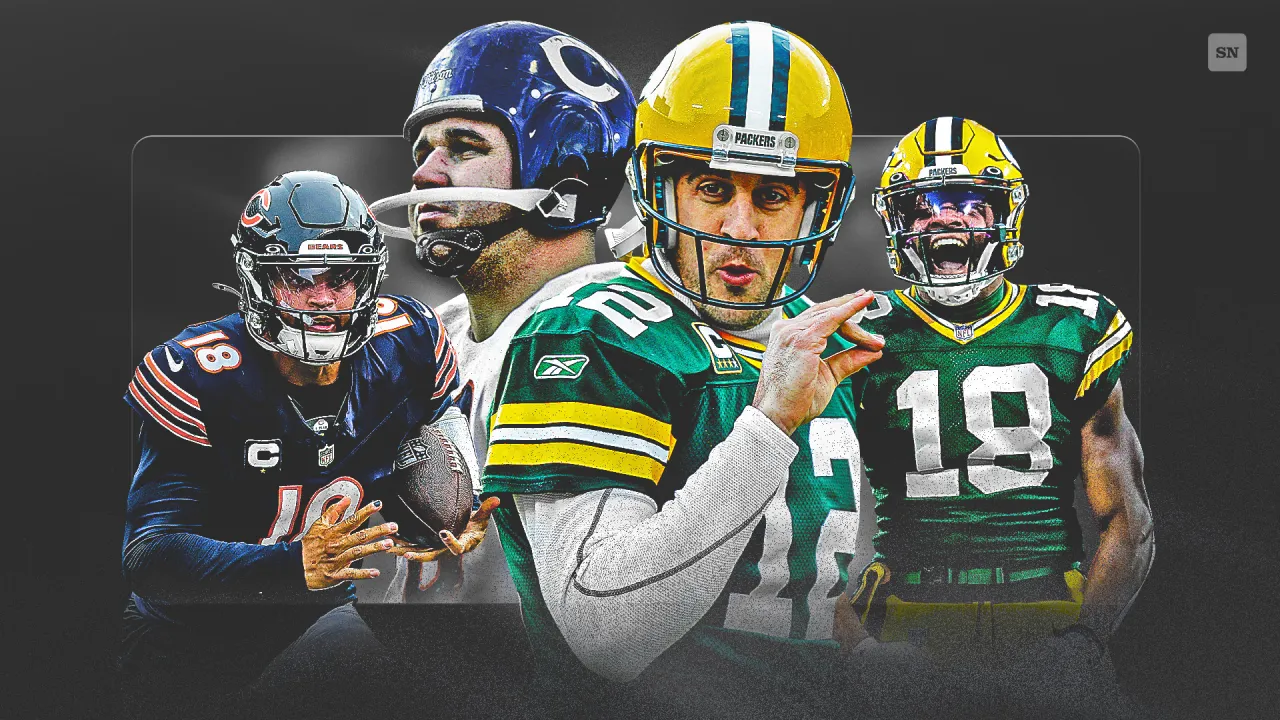
The NFL’s Enduring Oldest Rivalry: A Century of Strategic Depth, Economic Power, and Cultural Legacy
The rivalry between the Green Bay Packers and the Chicago Bears, tracing its contentious origins to a 1921 encounter, stands as a foundational narrative within professional American football. Initiated by an on-field altercation between John Lachlan “Tarzan” Taylor and Howard “Cub” Buck, this incident instantly codified a fierce competition marked by a broken nose, establishing a precedent for the intense physical and psychological battles that would define future matchups. Early iconic figures such as George Halas for Chicago and Curly Lambeau for Green Bay, later joined by Vince Lombardi, transcended individual clashes into an institutional cornerstone, embedding this competitive dynamic into the very fabric of the National Football League.
Competitive Dynamics and Strategic Imperatives
The enduring nature of this rivalry mandates specific strategic considerations for both franchises. Team building extends beyond mere skill assessment to include player recruitment for mental fortitude, ensuring athletes can perform under the unique pressures of rivalry games. Coaching staffs must meticulously tailor game plans not only to exploit opponent weaknesses but also to channel heightened emotional intensity into superior performance, mitigating risks of undisciplined play. For individual athletes, these contests represent career-defining moments, demanding exceptional mental resilience and focus, profoundly impacting performance and career trajectories.
The NFL’s regulatory and governance frameworks play a crucial role in sustaining the rivalry’s competitive balance and integrity. Through strategic scheduling decisions, impartial officiating assignments, and consistent disciplinary actions, the league actively manages the intensity. This oversight ensures the rivalry, while fiercely passionate, remains within professional bounds, allowing its competitive fire to burn without devolving into unmanageable conflict and thereby protecting the sport’s reputation.
Economic Ecosystem and Commercial Value
From an economic perspective, rivalry games are premium events generating substantial revenue for both franchises and the league. The heightened emotional investment from fan bases directly translates into elevated demand for tickets, merchandise, and local advertising slots. These matchups consistently command higher broadcast ratings, significantly increasing their value within media rights packages and attracting more lucrative sponsorship opportunities. The rivalry thus functions as a reliable economic asset, driving market activity in both Green Bay and Chicago, and serving as a predictable cornerstone of the league’s financial model.
Beyond direct revenue, deeply entrenched rivalries bolster the NFL’s overall brand equity and market positioning. They provide a vital sense of continuity, tradition, and authenticity that differentiates the league within the broader entertainment landscape. This rich narrative attracts new fans while solidifying the loyalty of existing ones, contributing directly to stable revenue projections and higher franchise valuations. Such sustained engagement and financial health make both the Packers and Bears more attractive assets for potential investors, underscoring the rivalry’s significant contribution to enterprise value.
Cultural Capital and Fan Engagement
The deep-seated animosity between the two franchises is vividly reflected in the passionate engagement of their fan bases, with chants and expressions of identity forming a significant driver of fan loyalty. This cultural phenomenon fosters intergenerational community identity, extending into local businesses, events, and everyday discourse in Chicago and Green Bay. Furthermore, the rivalry plays a crucial role in cultivating new generations of fans and participants in youth sports, acting as an intergenerational cultural transmission mechanism that ensures the long-term sustainability and popularity of both franchises and the sport as a whole.
The Packers-Bears rivalry provides an exceptionally rich vein for sports media, consistently generating compelling narratives and driving content creation across various platforms. Journalists, broadcasters, and analysts frequently revisit historical moments and current flashpoints, ensuring the rivalry remains a prominent topic of discussion throughout the NFL season. This continuous media attention amplifies the rivalry’s reach and impact, reinforcing its historical record and shaping how players and teams are remembered, thereby enriching the sport’s overall tapestry and providing a continuous source of historical context and dramatic narrative.
Enduring Relevance and Adaptability
The longevity of the Bears-Packers rivalry demonstrates its remarkable adaptability to changing eras, player movements, and media consumption habits. Its dynamic and self-renewing nature is continuously re-energized by new talent and coaching philosophies. Contemporary figures like Ben Johnson, Matt LaFleur, and Caleb Williams step into established roles, inheriting and perpetuating the narrative, ensuring its ongoing relevance. This organic renewal prevents the rivalry from becoming a mere historical artifact, keeping it vibrant and compelling for successive generations of fans and demonstrating its structural importance within the NFL’s broader competitive and commercial ecosystem.
Photo by StockSnap on Pixabay.