Institutional Strategy and Intellectual Property Optimization
Paramount+ has launched Avatar: Seven Havens, representing the first major television expansion of the Avatar universe in over a decade. Under the creative supervision of original architects Michael Dante DiMartino and Bryan Konietzko, the production functions as a critical assessment of long-term brand equity. Produced under the Skydance banner following internal corporate realignments, the series serves as a pivot from traditional licensing models to a vertically integrated, streaming-exclusive asset designed to solidify the platform’s direct-to-consumer footprint.
The narrative utilizes a 300-year chronological leap—surpassing both the Aang and Korra eras—to establish institutional autonomy. This structural buffer allows for a soft reboot of the world-building mechanics, granting the creators operational freedom to introduce new socio-political dynamics without the constraints of immediate legacy cameos. By distancing the plot from established character arcs, the studio is testing whether the ‘Avatar’ brand identity can sustain viewer loyalty through lore alone.
Production Architecture and Narrative Reorientation
The series follows a binary structure consisting of 26 half-hour episodes, organized into two distinct ‘Books.’ The distribution cadence mirrors a hybrid of linear and digital models, with a three-episode premiere for Book 1 on October 9 followed by strategic weekly batches. This release cycle is engineered to maximize subscriber retention metrics throughout the fourth quarter.
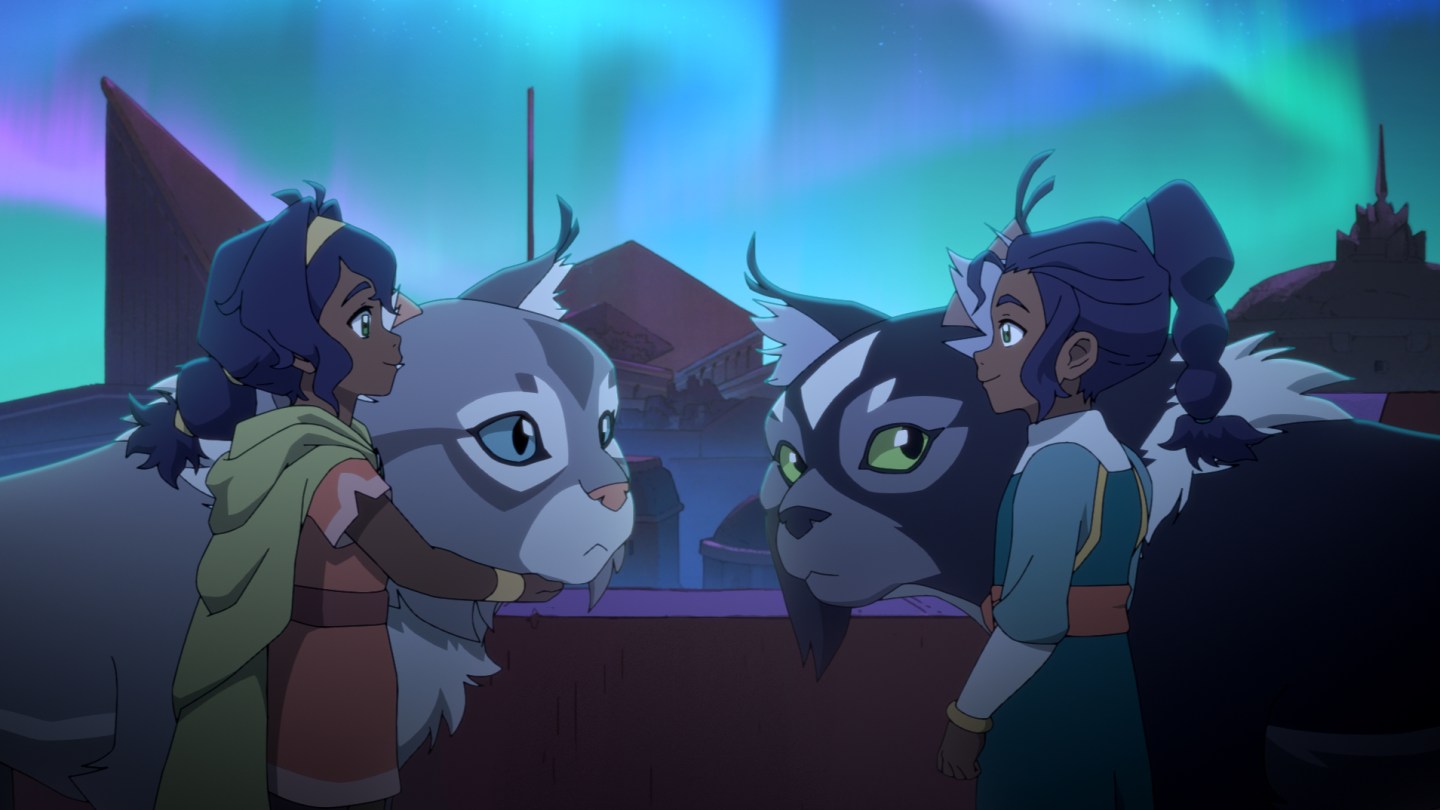
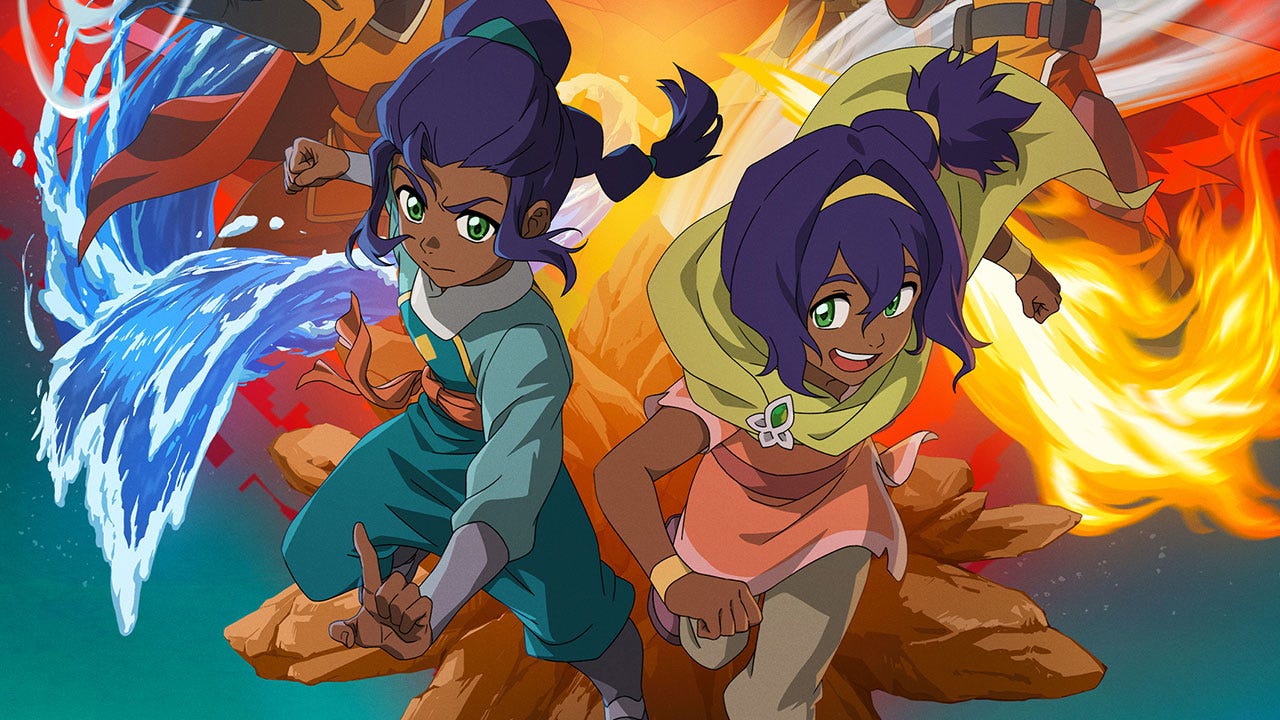
Central to this iteration is Pavi (voiced by Saheli Khan), an Earthbending protagonist whose characterization subverts the franchise’s historical martial-arts focus. Supported by a cast including Aishu Devan and Akshay Khanna, Pavi’s inherent reluctance toward her spiritual and combat-oriented duties introduces a thematic pivot toward pacifism and internal reconciliation. The plot, catalyzed by a seismic disaster involving Earthbending twins, replaces the conventional ‘warrior’s journey’ with a nuanced exploration of leadership through non-violence.
Distribution Paradigms and Aesthetic Scrutiny
The absence of a confirmed physical media release (DVD/Blu-ray) underscores a broader industry shift toward ecosystem confinement. By prioritizing digital gatekeeping, Paramount+ retains absolute pricing authority and data exclusivity, effectively ending the secondary retail market for new franchise entries. This containment strategy optimizes subscription growth but restricts long-term consumer ownership.
Despite the narrative’s expansion, the series faced immediate visual scrutiny upon the release of promotional footage. Fan feedback on social media highlighted perceived technical compromises in the two-dimensional animation pipeline, with some critics contrasting the aesthetic execution unfavorably against the high-budget benchmarks set by The Legend of Korra in 2012. This friction illustrates the reputational risk of revitalizing a legacy property; while the narrative engages new demographics, the technical execution remains a focal point for a community accustomed to high-fidelity production standards.