Military MV-22B Osprey Crash-Lands, Ignites Major Forest Fire in North Carolina
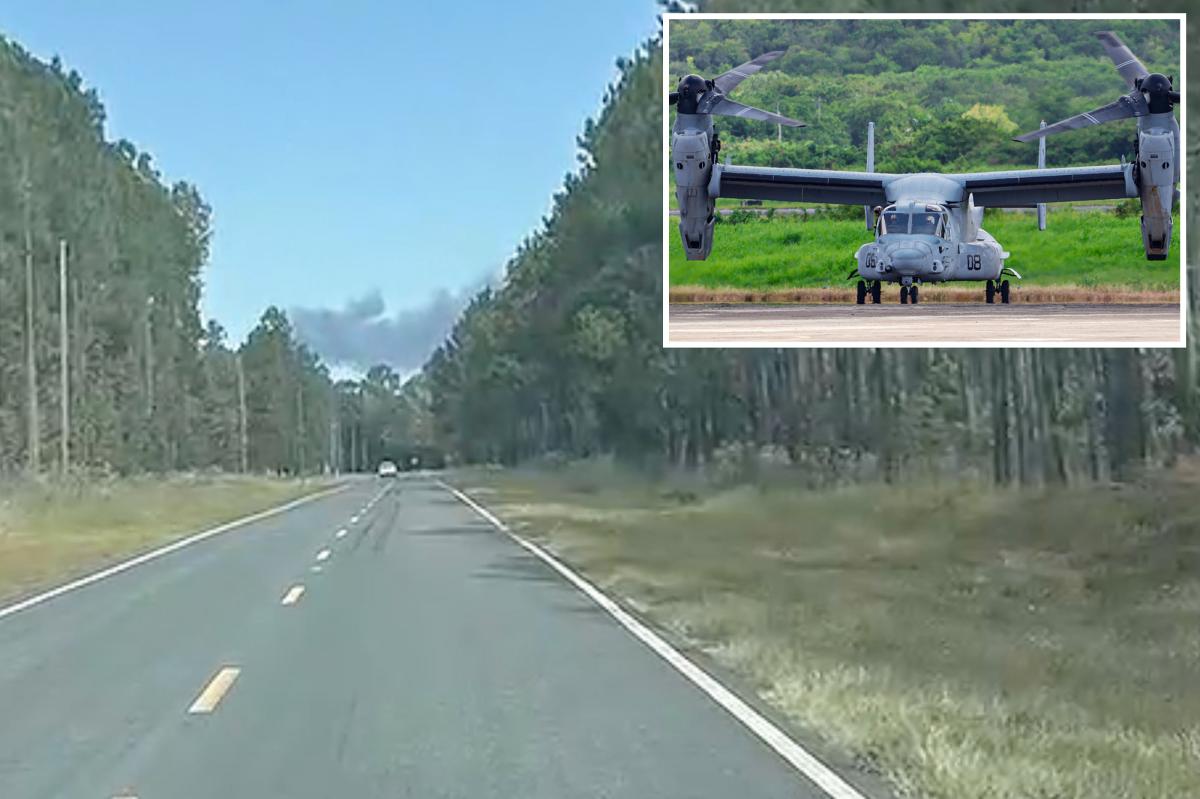
A military MV-22B Osprey aircraft crash-landed and ignited in Bladen Lakes State Forest, Bladen County, North Carolina, during a routine training exercise on a Thursday morning. The aircraft, assigned to Marine Medium Tiltrotor Squadron (VMM) 162 from Marine Corps Air Station New River, prompted an immediate multi-agency emergency response, underscoring the inherent risks of complex military aviation training near civilian areas.
Immediate Incident Dynamics: Fuel Load & Fire Suppression Challenges
The aircraft’s substantial load of approximately 6,000 pounds of jet fuel critically intensified the resultant blaze, complicating firefighting efforts and posing a significant environmental hazard to the state forest. Logistical complexities, including accessing the remote woodland site with heavy equipment and sufficient water resources, further exacerbated the emergency response, necessitating specialized coordination between military and civilian fire crews.
Personnel & Emergency Response: Mitigating Casualties and Ensuring Coordination
Of the four Marines aboard the Osprey, one sustained burn injuries and was transferred to a specialized burn center, while the other three were uninjured and returned to base. This outcome highlights the critical efficacy of emergency egress procedures and initial medical response in mitigating personnel casualties during aviation mishaps.
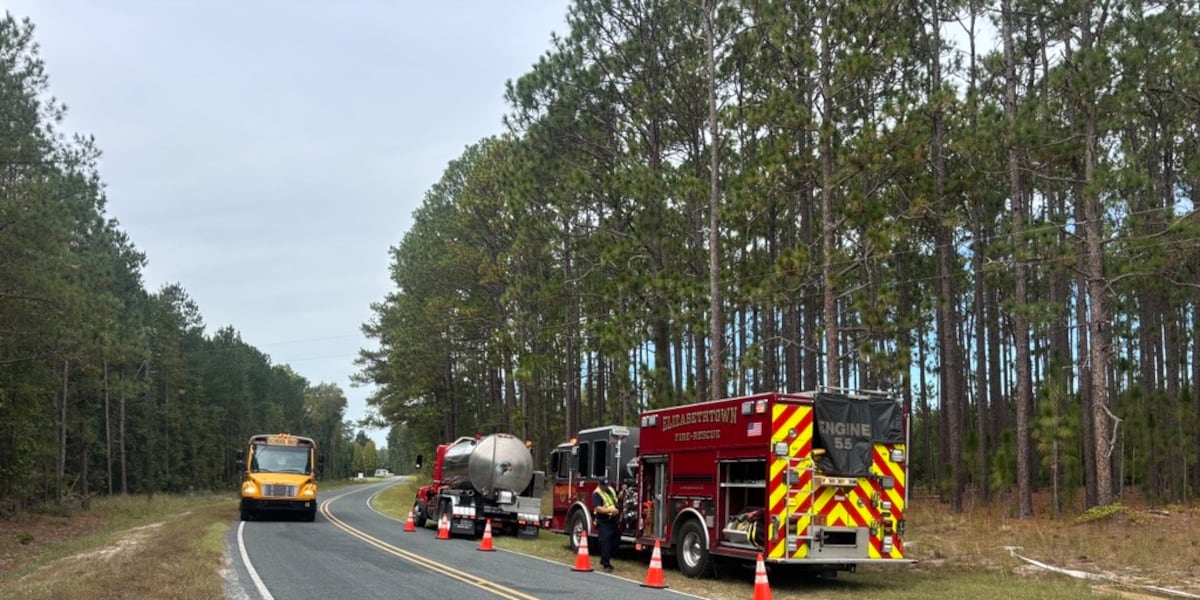
The rapid, multi-agency deployment, including White Lake Fire Chief Dale Brennan’s crews, military responders, and the Bladen County Sheriff’s Office under Sheriff Jim McVicker, showcased a layered approach to emergency management. This collaborative effort was crucial for containing the immediate threat, ensuring public safety, and securing the perimeter, often necessitating substantial resource allocation from local municipalities.
Investigation & Operational Scrutiny of the MV-22B Osprey
Following the crash-landing and fire, the military promptly initiated an investigation, deploying a specialized four-person team from Camp Lejeune. This immediate response, standard for military aviation incidents, aims to ascertain precise causal factors, from mechanical failure to operational procedures or human factors. Investigation findings are critical for informing future training methodologies, maintenance protocols, and equipment procurement, thereby impacting the Marine Corps’ broader operational readiness and safety standards.
The MV-22B Osprey, distinguished by its unique tiltrotor capabilities enabling vertical takeoff/landing like a helicopter and high-speed, high-altitude flight like a turboprop, inherently introduces distinct operational considerations. Any incident involving this complex platform draws heightened scrutiny due to its intricate operational profile and the rigorous training mandates. The ongoing investigation will therefore meticulously examine specific flight parameters and environmental conditions pertinent to the crash.
Environmental & Economic Ramifications of the Incident
The 6,000 pounds of jet fuel and the ensuing fire in Bladen Lakes State Forest present profound environmental concerns extending beyond the immediate conflagration. Potential consequences encompass soil and groundwater contamination from fuel runoff, atmospheric degradation from smoke and combustion byproducts, and extensive, long-term ecological damage to the forest ecosystem. Comprehensive environmental remediation efforts, typically post-incident, are expected to be protracted and costly, demanding specialized teams and sustained monitoring for area restoration.
Economically, the incident carries multifaceted implications. Direct costs involve the substantial capital loss or extensive damage to the MV-22B Osprey. Additional expenses will accrue from the ongoing investigation, medical care for the injured Marine, comprehensive environmental cleanup operations, and potential compensation for state property damage. These significant expenditures will ultimately be borne by the defense budget, potentially reallocating funds from future training, equipment upgrades, or other Marine Corps operational priorities.
Institutional Accountability, Public Trust, and Community Relations
Military training, while indispensable for maintaining readiness, inherently entails risks. Incidents like this invariably prompt intensified scrutiny from congressional oversight committees and the public. The Marine Corps’ transparent communication regarding the ‘aviation mishap’ and immediate investigation initiation is paramount for preserving public trust and demonstrating accountability. This event serves as a salient reminder of the delicate balance between operational imperatives and the safety of both military personnel and civilian communities, necessitating robust community relations.
Air Station New River’s planned training exercises contextualize the event within routine military operations aimed at enhancing combat effectiveness. However, a significant incident during such training invariably necessitates a thorough review of safety protocols, risk assessments, and emergency preparedness plans. The long-term implications for the base and its surrounding communities will hinge on the investigation’s findings and subsequent preventative actions.
Strategic Policy Shifts & Interoperability Directives
Beyond immediate operational and financial impacts, the Bladen County incident could trigger broader strategic and policy discussions within the Department of Defense. This might involve reviews of training locations, especially those near civilian populations or environmentally sensitive areas. The logistical challenges faced by emergency crews accessing the remote forest site could also prompt re-evaluations of emergency response planning for similar training scenarios, potentially leading to pre-positioned resources or enhanced rapid access capabilities.
Moreover, the incident contributes to the ongoing data informing the MV-22B Osprey fleet’s operational safety record. While individual incidents are distinct, cumulative data significantly influences maintenance schedules, pilot training requirements, and potential design modifications. The Marine Corps, as a primary Osprey operator, continuously refines its operational guidelines based on real-world events, ensuring the platform’s unique capabilities are leveraged with the highest possible safety standards. This continuous improvement cycle is fundamental to military aviation strategy and risk management.
That the incident occurred during a training exercise, not a combat deployment, underscores the persistent risks inherent in routine military operations. Maintaining high readiness necessitates realistic, challenging training, which inherently involves risk. The investigation will aim to determine if the mishap was an unavoidable consequence of complex training or resulted from specific procedural or mechanical failures, thereby informing future risk mitigation strategies across the armed forces.
Ultimately, the crash-landing and fire of the MV-22B Osprey in Bladen County represents a multifaceted event with immediate operational challenges, significant financial and environmental implications, and a catalyst for strategic reviews within the Marine Corps. The ongoing investigation will provide critical insights, shaping future training protocols, safety standards, and inter-agency cooperation frameworks, thereby influencing the broader landscape of military aviation and its interaction with civilian domains.