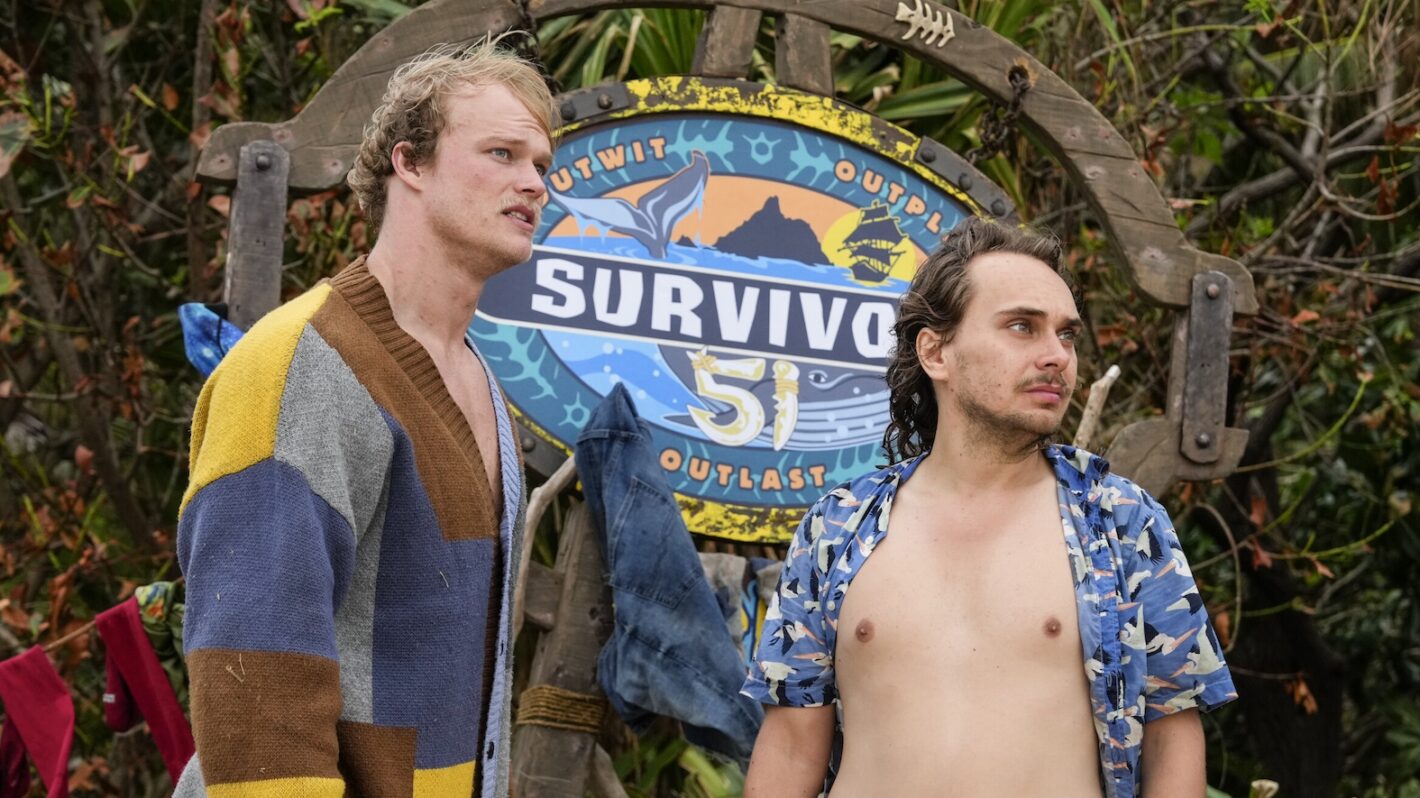
The Convergence of Systemic Attrition
Survivor 51 has reached a critical inflection point characterized by a rare convergence of physiological trauma and voluntary forfeiture. This dual-stream attrition does not merely reduce tribal headcounts; it fundamentally destabilizes the game’s established risk-reward calculus. When players exit through non-traditional mechanisms—specifically medical emergencies and voluntary quits—the remaining castaways must navigate a power vacuum that rewards immediate adaptability over long-term strategic rigidity.
Physiological Crisis: The Booker Incident
The accidental severance of approximately one-quarter of Brady Booker’s thumb represents one of the most visceral medical events in the franchise’s history. Beyond the shock of the injury, the incident serves as a stark reminder of the thin margin for error inherent in a survivalist environment where fatigue compromises motor skills. The Toka tribe’s immediate response—preserving the detached portion of the digit—highlights a raw crisis management capability that temporarily unified the group.
Strategically, Booker’s insistence on remaining in the game serves as a high-value signal of competitive resilience. By prioritizing the social contract over physical trauma, he has accumulated significant social capital. However, the long-term operational impact of a permanent digital impairment on grip strength and fine motor skills introduces a liability that may outweigh his mental fortitude in subsequent physical challenges.
The Psychology of Voluntary Forfeiture
In contrast to Booker’s resilience, the contestant known as Rob represents a case study in psychological fragility. His departure, ostensibly triggered by a minor laceration, suggests that the physical environment served as a convenient pretext for a pre-determined withdrawal. This behavior mirrors historical precedents of ‘quitting’ where the psychological toll of the game exceeds the perceived strategic reward.
For the Savu tribe, Rob’s exit is a double-edged sword. While it removes an erratic variable that threatened tribal cohesion, it also results in a net loss of voting power without the benefit of a targeted elimination. The production’s narrative framing of the ‘tiny cut’ serves to emphasize the hierarchy of endurance, positioning Rob’s exit as a failure of the survivalist mandate, thereby isolating his legacy from the season’s more committed competitors.
Social Capital and Asymmetric Information
Within the Toka tribe, Danny “Kilby” Kilby has illustrated the hazards of miscalculating social hierarchies. His derogatory analogy—likening Brady Booker to a child playing with an unplugged controller—was a critical lapse in discretion. By delivering this critique to Patt Cannaday, a core member of the dominant alliance (comprising Booker, Jelly, Devin, and Mike), Kilby inadvertently initiated his own social isolation.
This failure of situational awareness highlights the danger of asymmetric information. Kilby’s attempt to devalue Booker’s agency only served to solidify the existing majority’s bond. In an environment where perception is reality, Kilby’s misread of the Booker-Cannaday connection has converted him from a potential swing vote into a primary target for the next tribal council.
Strategic Obsolescence and the Impending Reset
The Savu tribe’s hard-won majority power structure now faces the threat of immediate obsolescence. The announcement of an impending tribe swap serves as a structural reset, penalizing those who have invested heavily in localized tribal politics. This production mechanism prevents stagnant gameplay by forcing contestants to abandon their established safety nets and forge new connections under extreme duress.
For the current power brokers, the swap represents a transition from offensive maneuvering to defensive survival. The investment of social capital used to secure the previous vote may yield zero dividends if the alliance is fragmented. Success in the next phase will depend on the ability to pivot from internal tribal dynamics to a broader, game-wide perspective where initial reputations and perceived physical utilities dictate the new social order.