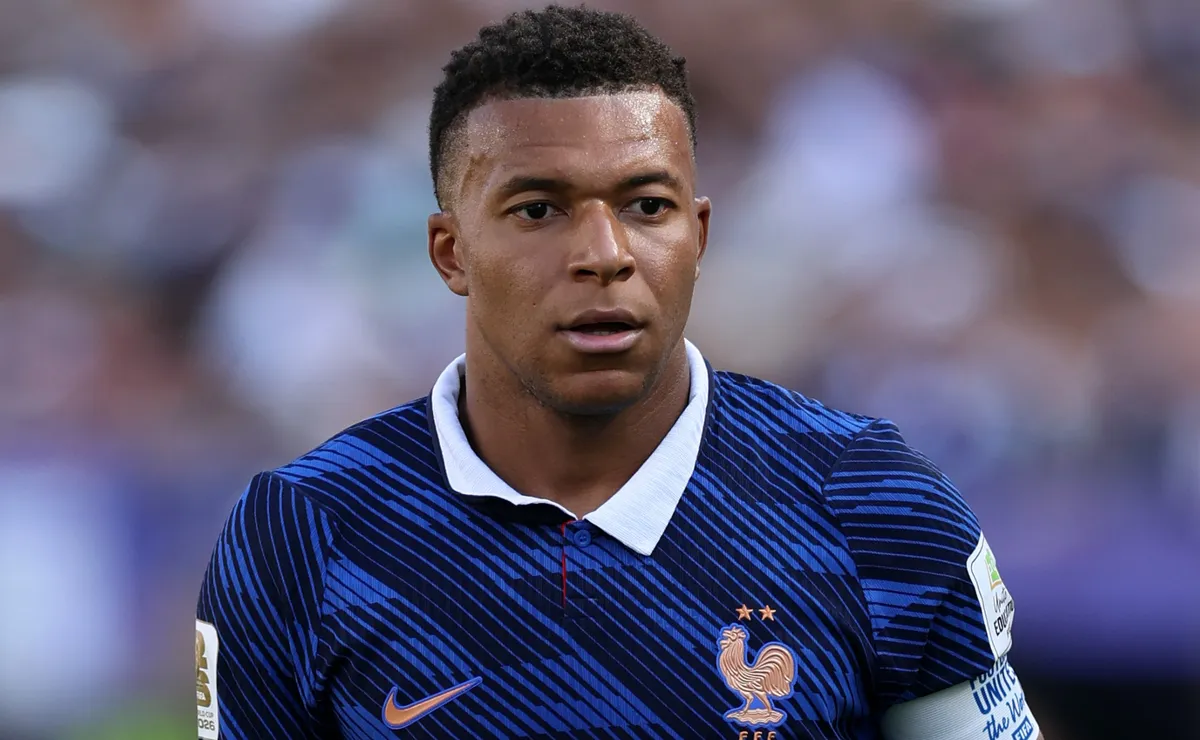
The transition of leadership within the French national team to Zinedine Zidane signifies a strategic shift, prioritizing collective efficiency and tactical adaptability. This evolution is particularly evident as Les Bleus navigate the UEFA Nations League without Kylian Mbappe.
Institutional Resilience and Zidane’s Philosophy
Zidane’s coaching philosophy emphasizes collective responsibility, dismissing the notion that the team’s performance hinges on individual stars. His focus on the available squad, rather than lamenting absences, recalibrates expectations and fosters high-level performance irrespective of the roster’s composition. This approach insulates the team from external narratives that amplify individual player dependency.
Zidane’s deep connection with elite club football, particularly Real Madrid, also informs his stakeholder management. This was demonstrated in the collaborative decision to release an injured Mbappe back to his club, prioritizing long-term player health and a sophisticated risk-mitigation strategy between the French Football Federation (FFF) and top European clubs.
Strategic Impact of Mbappe’s Absence
Kylian Mbappe’s injury, a left-knee hyperextension, necessitated immediate risk management, impacting France’s Nations League campaign. The decision to return him to Real Madrid prioritized his long-term fitness and the club’s significant investment. This situation highlights the persistent tension between club and international commitments in modern football.
Operationally, Mbappe’s absence has compelled Zidane to accelerate the integration and evaluation of emerging attacking talents. This forced experimentation provides critical data on squad depth and the viability of alternative offensive structures, moving France away from sole reliance on Mbappe’s unique skillset.
Tactical Evolution: The Olise-Dembele-Doue Dynamic
In the absence of Mbappe’s explosive dynamism, Zidane has pivoted to a more fluid, technically oriented attack. The deployment of Michael Olise, Ousmane Dembele, and Desire Doue showcases a high-mobility system designed to exploit defensive structures through intricate passing and positional rotation.
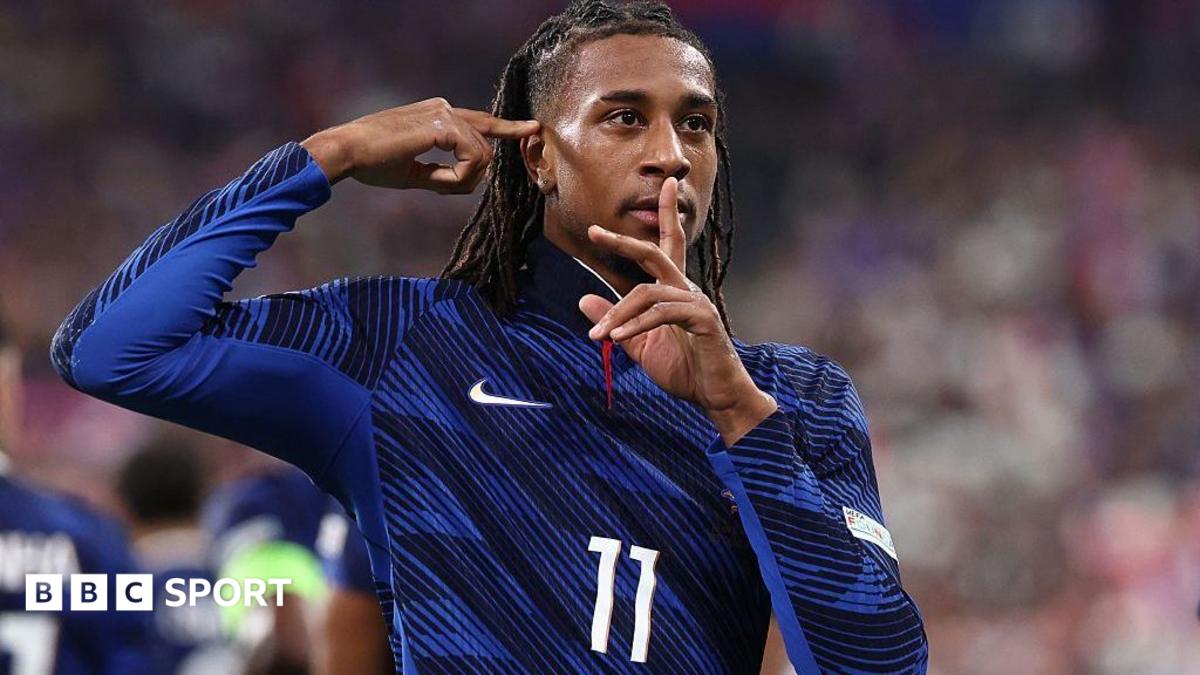
Michael Olise has emerged as a primary offensive linchpin, demonstrating exceptional efficiency and impact. His significant goal contributions in 2026 underscore his growing importance and potential as a cornerstone of the Zidane era. The tactical flexibility shown by Dembele’s central role against Italy and Doue’s wing play indicates Zidane’s willingness to disrupt conventional formations to enhance unpredictability.
Performance Against Belgium: A Test of Systemic Strength
France’s decisive 4-1 victory over Belgium served as a validation of Zidane’s system-first approach. Despite conceding an early goal, the French squad maintained structural discipline and exhibited superior physical conditioning and tactical endurance, culminating in four late-game goals.
This late surge highlights the effectiveness of Zidane’s tactical adjustments and substitutions. The synergy between emerging talents like Desire Doue and Michael Olise, with Doue’s equalizer and Olise’s brace, demonstrates a promising partnership that could define France’s future attack.
Goalkeeping Integration and Defensive Considerations
The inclusion of young goalkeepers like Guillaume Restes in high-stakes international matches reflects an institutional strategy of developing future talent. While Restes experienced a challenging debut, the competitive exposure is invaluable for his development.
The defensive lapse leading to Belgium’s goal—a long-range pass—indicates potential vulnerabilities in defensive transitions. Zidane will likely focus on reinforcing these areas to ensure the team’s high-pressing tactics do not compromise defensive solidity against elite playmakers.
Group A1 Dynamics and Competitive Outlook
France leads Group A1 with 10 points following their win over Belgium, with Italy closely pursuing them. This competitive pressure within the group serves as a high-intensity environment for Zidane to refine his tactical strategies and build squad depth for future tournaments.
Belgium’s third-place standing reflects a team in transition, struggling with defensive cohesion. Their performance against France underscores the need for structural improvements to compete at the highest level.
The Nations League as a Strategic Platform
For the FFF, the Nations League is a vital platform for commercial growth, media revenue generation, and maintaining global visibility. Player performances in this competition directly impact market valuations and reinforce France’s standing in international football.
The Nations League provides Zidane a crucial period to establish his tactical philosophy and build squad cohesion without the immediate, existential pressure of major tournaments. This experimental phase is critical for preparing the team for sustained success in the 2026-27 cycle.
Stakeholder Alignment and Risk Management
Key stakeholders—the FFF, Real Madrid, and the players—manage distinct risks. The FFF navigates reputational risk by securing positive results, while Real Madrid mitigates physical risk to its star asset, Kylian Mbappe, through collaborative decision-making with the federation.
For players, the Nations League serves as a high-stakes audition. Success under Zidane enhances career leverage, while failure to adapt may impact future international prospects as the squad evolves.
Conclusion: Charting the Zidane Era
Zinedine Zidane’s early tenure with France has clearly defined his strategic direction, emphasizing collective resilience and tactical flexibility. Successfully navigating the absence of a key player while maintaining competitive performance underscores the team’s depth and adaptability.
The victory over Belgium, marked by a potent late-game offensive display, confirms France’s capacity to compensate for individual absences through systemic strength. This collective resilience is poised to be the hallmark of the Zidane era.
As Kylian Mbappe recovers, France has demonstrated its evolution beyond individual dependence. The emergence of new leaders, spearheaded by talents like Michael Olise, ensures Les Bleus remain a formidable force in European football, irrespective of personnel changes.