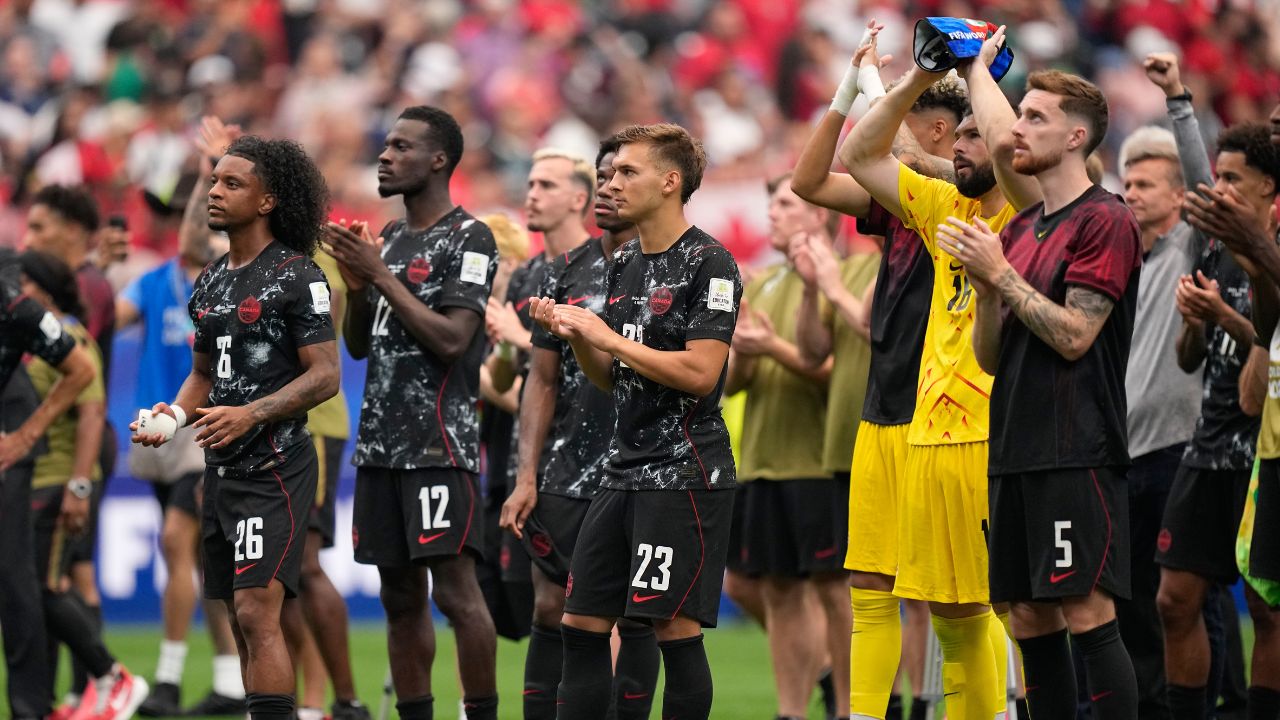
The Canadian men’s national team enters its international window with a home fixture against Chile at Toronto’s BMO Field, initiating a three-match autumn schedule that includes matches against Peru in Montreal and the United States in St. Paul. These friendlies mark the primary competitive activity for coach Jesse Marsch’s side following their FIFA World Cup campaign, where the program secured a tournament victory and advanced to the Round of 16.
Roster retention defines the squad selection, featuring seventeen players from the original World Cup group within the twenty-six man roster. This high retention rate prioritizes tactical cohesion over immediate generational turnover. However, the surrounding environment contrasts sharply with the high-intensity infrastructure of the global showcase, emphasizing the transient nature of major tournament resource allocations.
Infrastructure Adjustments and Operational Scaling
Domestic fixtures demand immediate operational scaling, highlighted by BMO Field accommodating seventeen thousand fewer seats for this match than during peak World Cup configurations. This physical adjustment mirrors a broader post-tournament reduction in media presence and logistical support. Such shifts expose the financial disparity between localized international windows and the hyper-resourced ecosystem of a FIFA-managed global event.
Tournament legacy persists through specific upgrades, such as high-speed connectivity at the Centennial Park clubhouse following capital investments for the tournament. Analysts observe that these technological enhancements often impose long-term financial liabilities on local governing bodies once administration concludes. Consequently, the national federation must navigate standard budgetary constraints while preserving elite performance standards.
Tactical Execution and Match Dynamics
The opening fixture against Chile tested competitive readiness, utilizing established attacking combinations such as the link-up between Cyle Larin and Jonathan David. David’s early goal, assisted by Larin, highlighted the reliance on foundational attacking mechanisms from the World Cup run. Meanwhile, defensive interventions by Dayne St. Clair and duels involving Tajon Buchanan maintained competitive intensity.
Integrating new personnel alongside the returning core allows Marsch to evaluate squad depth without destabilizing the tactical foundation. Despite administrative hurdles from injuries, seasoned contributors ensure structural integrity across all lines, serving as a calibration mechanism for sustained continental competition.