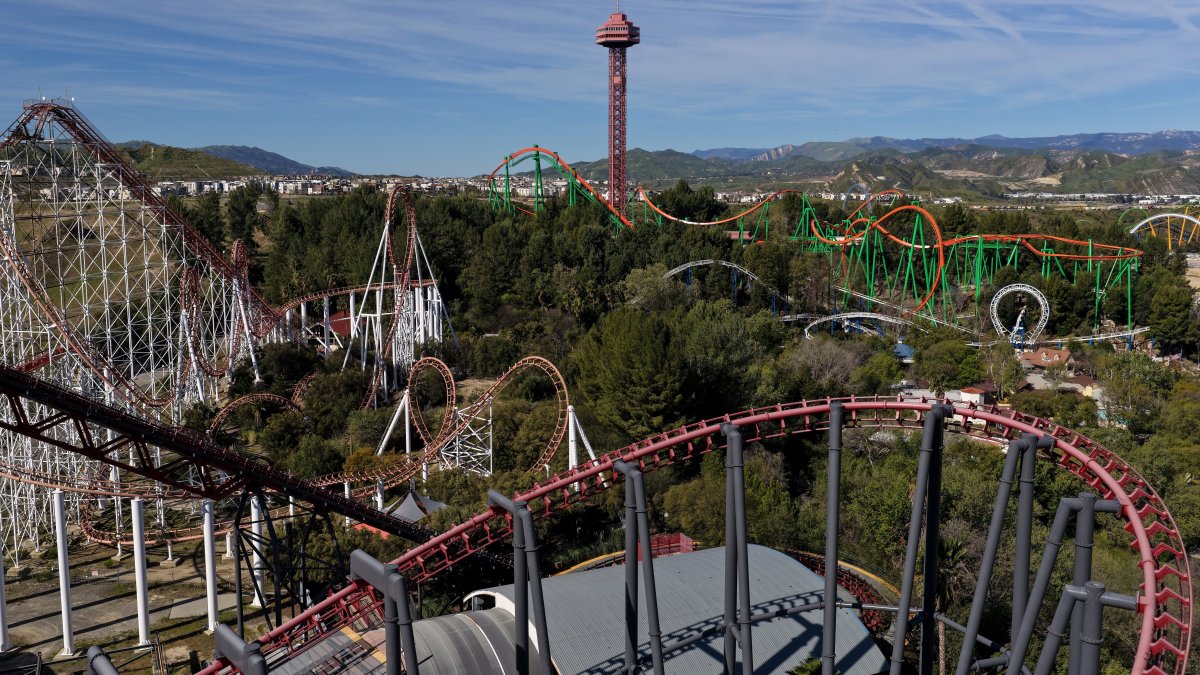
Civil litigation targeting Six Flags and ride manufacturer S&S Worldwide has intensified operational scrutiny within the amusement park sector. Centered on the X2 roller coaster at Six Flags Magic Mountain—known for its rotating seats and aggressive dynamics—attorneys have filed multiple lawsuits asserting the ride exposes patrons to severe physical trauma.
The filings follow a CNN investigative report documenting historical reports of serious injuries and fatalities associated with the Valencia-based attraction over nearly two decades. Although mechanical and physical impact concerns date back more than ten years, limited public visibility kept claims constrained until recent media exposure prompted over one hundred individuals to come forward with neurological trauma claims.
Operational and Manufacturer Exposure
Involving S&S Worldwide alongside Six Flags highlights shared liability in high-performance amusement park infrastructure. Manufacturers face extended exposure as operational parameters and safety standards evolve over decades of continuous use, demonstrating how liability spans both the commercial venue operator and the original mechanical design firm.
Medical evaluations attribute reported conditions to rapid acceleration-deceleration events that impose extreme biomechanical forces on riders. This raises critical questions regarding ride profiling, restraint design, and safety tolerances. Plaintiffs’ counsel argues that continued operation reflects a disregard for patron safety, diverging from standard risk mitigation practices.
Institutional and Industry-Wide Implications
The litigation creates immediate risk management challenges for theme park operators managing high-thrill portfolios. Stakeholders must re-evaluate legacy attractions relying on aggressive kinetic profiles as public scrutiny intensifies. Insurance underwriters and risk assessment boards will likely enforce stricter auditing frameworks for rides featuring unconventional rotational and decelerative forces.
Furthermore, the convergence of investigative media and legal action illustrates how external oversight alters corporate risk posture. As additional claimants emerge, these lawsuits may establish legal precedents regarding corporate liability, safety transparency, and the operational lifespan of extreme rides, requiring both immediate courtroom defense and long-term governance reform.