Synoptic Dynamics and Model Discrepancies
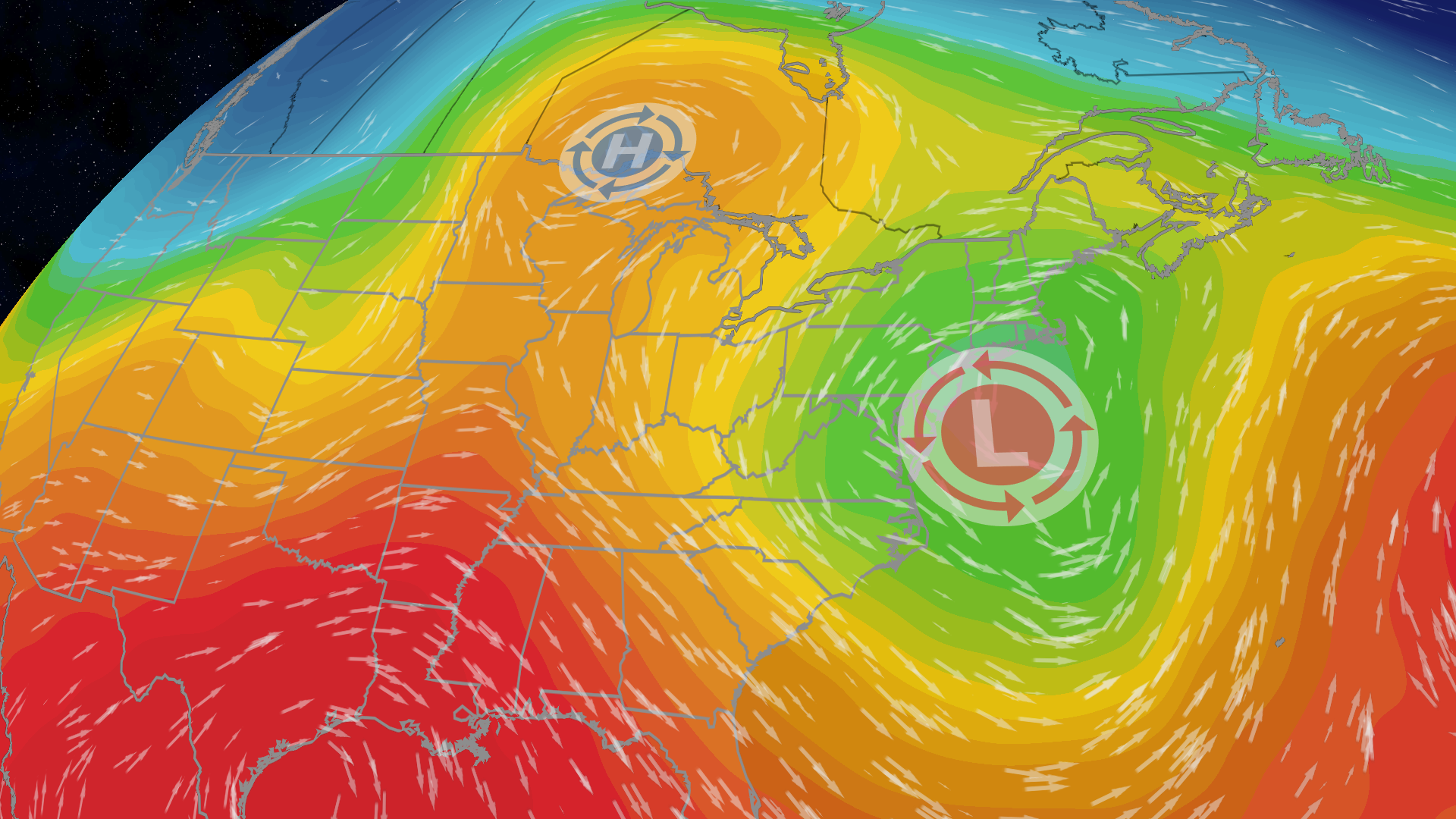
An early-season nor’easter is organizing off the Eastern Seaboard, driven by a tight pressure gradient between an anchored high-pressure system over the Great Lakes and a deepening coastal low tracking northward. While numerical weather prediction models confirm cyclogenesis, significant variance persists regarding track velocity, offshore displacement, and duration. Notably, the ECMWF (European) model projects a stronger, slower system hugging the coastline and potentially meandering before dissipating, a scenario that would drastically compound cumulative precipitation, surge duration, and coastal erosion compared to a progressive offshore track.
Regional Exposure and Threshold Vulnerabilities
Operational alerts delineate two primary hazard zones across the Virginia-to-Massachusetts corridor:
- Mid-Atlantic & Tidewater: Onset begins Wednesday night from New Jersey through the Virginia Tidewater. Sustained onshore flow will drive tidal departures 1 to 3 feet above normal astronomical levels, compromising low-lying arterial corridors, port facilities, and drainage networks during successive high-tide cycles.
- Southern New England & Boston Harbor: The northern quadrant faces the most volatile kinetic profile, with wind gusts projected at 60 to 70 mph, heavy rainfall rates, and major storm surge. These velocities approach the mechanical failure thresholds of overhead distribution lines and mature vegetation, signaling widespread power disruptions and maritime transport suspensions.
Infrastructure Exposure and Cascading Operational Failures
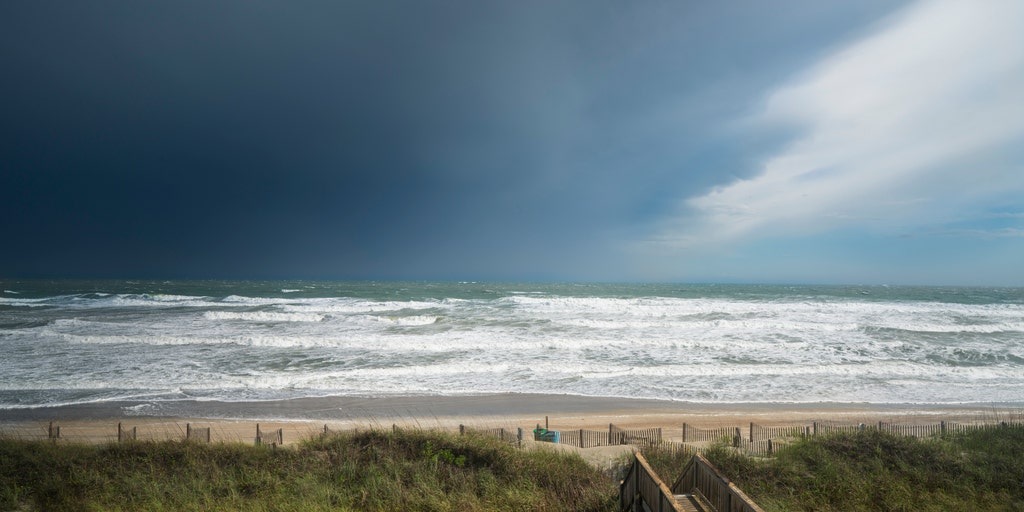
The system poses acute risks to critical civil infrastructure. Saturated coastal soils paired with gale-to-storm-force gusts elevate the probability of widespread grid failures, challenging utility operators to stage restoration assets amid hazardous transit conditions. Transportation systems—including coastal highway routes, causeways, and rail infrastructure—face dual threats from saltwater inundation and structural debris. Concurrently, natural protective dunes and engineered seawalls will endure multi-cycle hydraulic battering, with severe beach erosion degrading long-term coastal defenses and destabilizing adjacent residential and commercial real estate foundations.
Fiscal Exposure and Inter-Agency Crisis Governance
The economic impact spans immediate property damage, business interruption across maritime shipping, commercial fishing, and tourism sectors, and extensive municipal outlays for debris removal and emergency services. For emergency management agencies, forecasting ambiguity forces a critical balance between proactive capital deployment and resource preservation. Operational readiness demands pre-positioning water rescue assets, staging emergency utility crews, and synchronizing inter-jurisdictional advisories to mitigate risk across coastal populations vulnerable to rapid inundation.