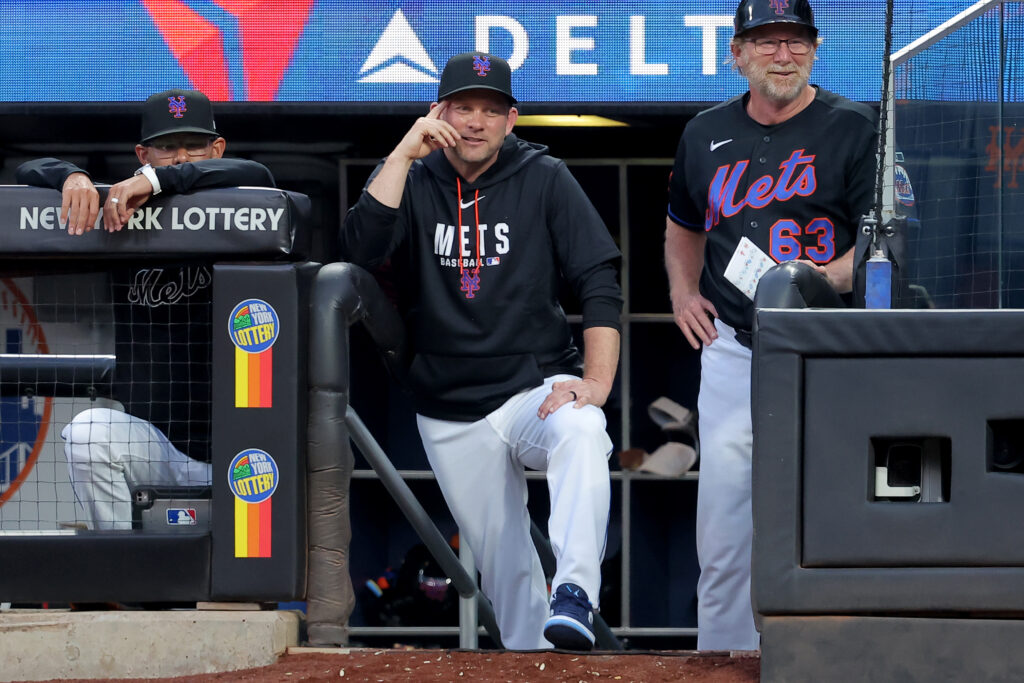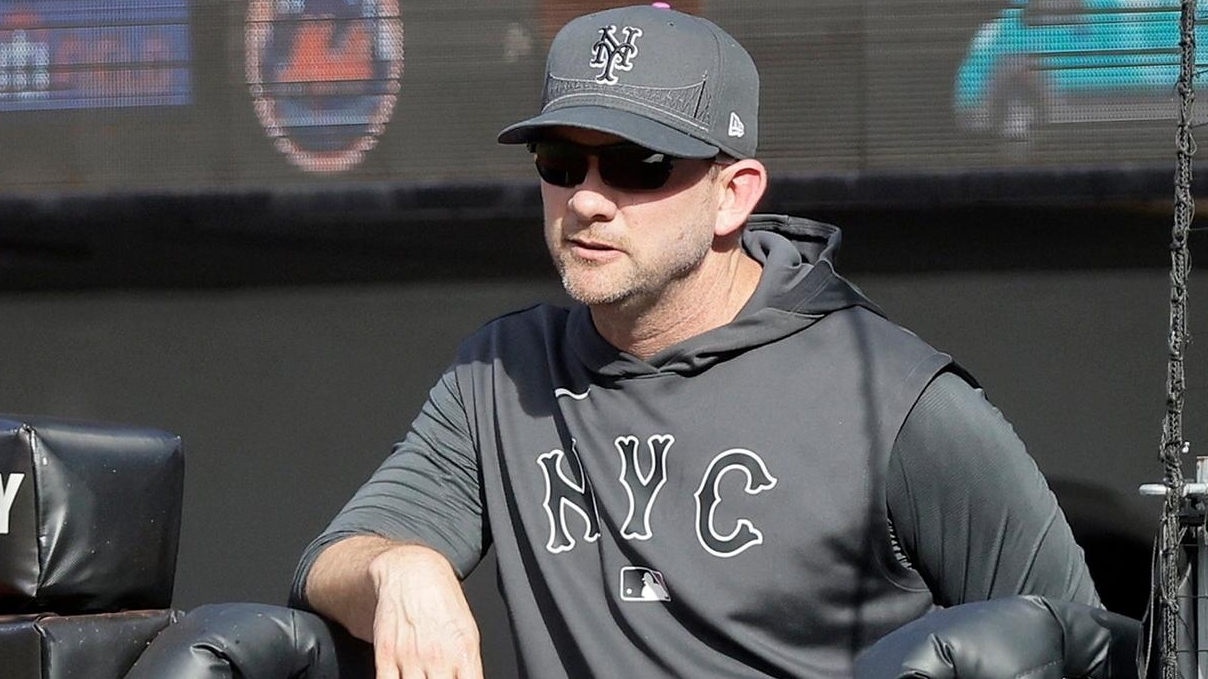
The New York Mets have resolved their midseason leadership vacuum by formally naming Andy Green as the franchise’s full-time manager on a three-year contract. The appointment, announced ahead of Tuesday’s road engagement against the Texas Rangers in Arlington, establishes structural continuity following months of organizational reassessment. By awarding a multi-year mandate to Green, the front office shifts definitively from provisional troubleshooting to a planned operational trajectory.
Green, 49, assumed interim control in late June following the departure of Carlos Mendoza, inheriting a roster experiencing competitive slippage. Over the subsequent months, he guided the team through an internal recalibration, compiling a 37-38 record under interim authority. That baseline was fortified by a 31-28 performance surge following the All-Star break, providing ownership with tangible proof of systemic recovery.
Ownership Strategy and Accountability Directives
The institutional decision to formalize Green’s role reflects criteria established by Mets owners Steve and Alex Cohen. In an official joint statement, ownership cited Green’s capacity to establish internal discipline, accountability, and clubhouse morale under adverse circumstances as the primary catalysts for his retention. These operational principles were prioritized as non-negotiable standards required to guide the franchise through transitional phases.
Steve and Alex Cohen emphasized that Green pushed the roster toward competitive output despite the wider disappointments framing the collective season. Rather than permitting operational drift during a compromised summer, the managerial staff instituted structural expectations that altered day-to-day clubhouse interactions. This ownership endorsement illustrates a clear preference for cultural cohesion and tactical consistency over speculative external hiring searches.
The three-year contract acts as organizational insulation, granting Green the administrative capital required to enforce long-term development strategies. Managing under an interim title frequently constrains bench authority, as athletes and support staff recognize the temporary nature of provisional leadership. By executing a multi-year pact, executive leadership has eliminated ambiguity regarding the dugout hierarchy, directly aligning Green’s authority with ownership’s performance benchmarks.
Reversing Operational Momentum
Green’s record after taking over in late June highlights a shift from early-season deterioration toward functional stabilization. Taking the helm after Mendoza’s tenure required an immediate recalibration of bullpen workloads, preparation routines, and daily technical expectations. The subsequent 37-38 mark achieved by Green prevented a comprehensive competitive collapse during high-scrutiny summer fixtures.
The roster’s post-All-Star performance of 31-28 demonstrated the practical impact of Green’s midcourse corrections. Generating a winning percentage above .500 across late-season competition indicates that Green’s operational principles translated directly onto the field. Entering the series in Arlington against the Rangers with positive post-break momentum validated the team’s internal trajectory to executive decision-makers.
Green acknowledged this professional evolution, noting that his acceptance of the interim role did not originally include expectations of permanent placement. As his operational integration deepened across clubhouse personnel and technical staff, the alignment between his personal methodology and the organization’s strategic needs became evident. This transition from temporary administrator to cultural anchor formed the foundation of the front office’s long-term extension.
Cultural Reconstruction and Clubhouse Dynamics
The strategic value of Green’s managerial style surfaced prominently during adverse situations where organizational discipline is routinely tested. An assessment documented during a Sunday contest against the Philadelphia Phillies highlighted the behavioral mechanics Green instituted within the clubhouse. Amidst incessant rain, a postponed ceremony for veteran broadcaster Howie Rose, and a ballooning on-field deficit, Green preserved functional standards within an otherwise demoralizing competitive environment.
Following the final out of that contest, Green orchestrated a unified team gesture, leading the roster out of the dugout to face the broadcast booth and tip their caps to Rose. While Green characterized the tribute as a communal initiative rather than personal choreography, team observers identified the act as an explicit manifestation of his cultural expectations. Demonstrating organizational respect under grim competitive conditions reinforced character development across a young player core.
Green’s philosophy operates on the premise that respecting professional standards directly shapes future performance dividends. By insisting that players remain engaged through non-competitive innings and honor club history regardless of current standing, Green countered complacency. This focus on operational dignity provided executive leadership with clear evidence of sustainable clubhouse leadership.
Strategic Implications for Franchise Governance
The removal of the interim tag establishes a consolidated command structure as the organization approaches the winter planning cycle. Operating without a permanent manager typically paralyzes strategic coordination between scouting directors, analytics departments, and dugout execution. With Green confirmed through a three-year contract, the front office secures an established operational partner to execute personnel strategy.
Green’s managerial retention also stabilizes tactical continuity for the emerging roster demographic. The young players who responded to his accountability metrics during the post-All-Star turnaround will remain under an established regulatory framework. Maintaining pedagogical consistency avoids the strategic friction often caused by cyclical turnover in field leadership.
Ultimately, the contractual integration of Andy Green resolves months of administrative uncertainty in Flushing. By ratifying a 37-38 interim stewardship that featured a 31-28 second-half resurgence, Steve and Alex Cohen have codified internal accountability as their operational baseline. The Mets now enter their structural planning phases with an established field general possessing multi-year backing, organizational leverage, and ownership trust.