Macroeconomic Pressures and Shifting Income Thresholds
Persistent inflation originating from the pandemic era has systematically eroded purchasing power, redefining traditional markers of middle-class financial stability in the United States. Historically, a six-figure annual salary signaled a secure career milestone and robust disposable liquidity. However, compounding cost-of-living increases have altered household financial thresholds across demographic lines.
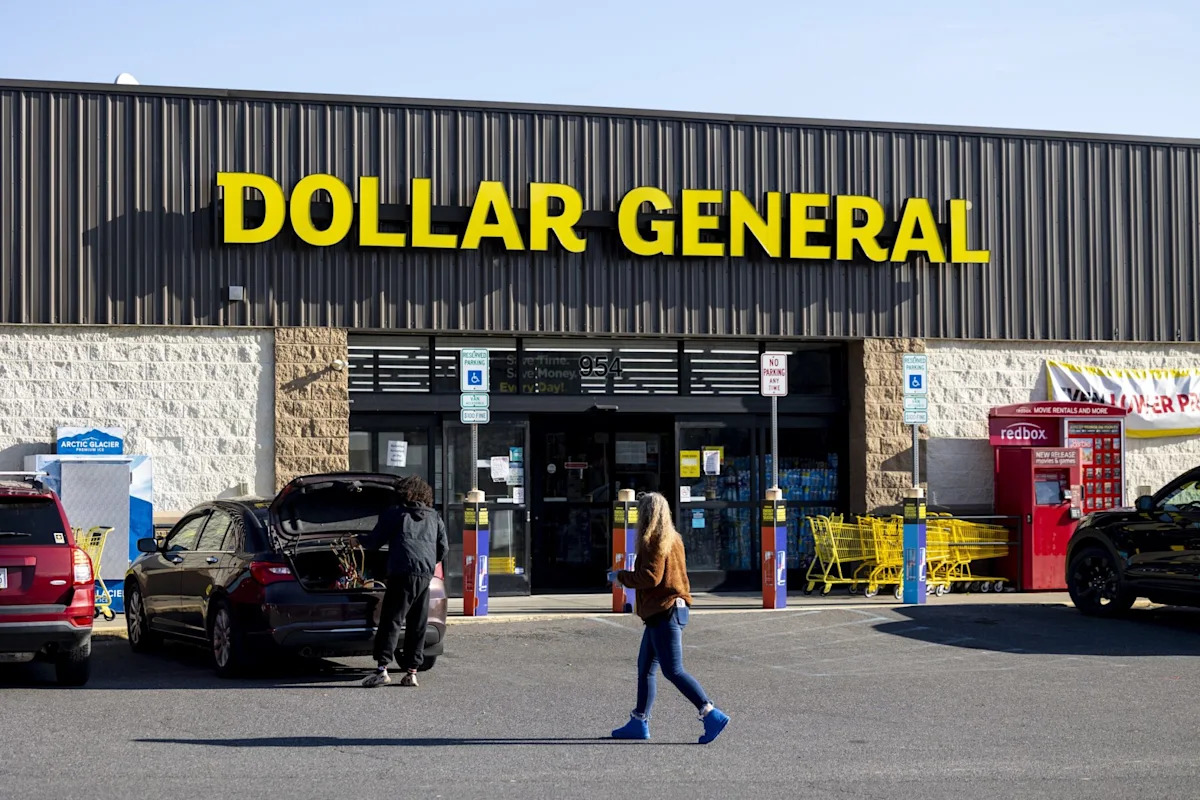
Addressing the Goldman Sachs Global Consumer and Retail Conference, Dollar General CEO Todd Vasos highlighted a structural operational shift: individuals earning $100,000 or more annually are increasingly exhibiting discount-seeking behaviors. Stripped of their traditional psychological buffer against market volatility, this affluent demographic segment is systematically migrating toward deep discounters and value-driven retail chains to optimize household expenditures.
The Mechanics of Inflationary Strain on Household Budgets
The convergence of elevated inflation and surging energy prices has introduced acute budgeting friction across multiple income tiers. American Automobile Association data indicates average gasoline prices reached $4.476 per gallon—up from $3.189 the previous year—while diesel fuel surged to $6.50 per gallon, compounding supply chain logistical expenses.
These systemic hikes in transportation and utility expenses function as a regressive tax on consumer discretionary capital. As energy burdens expand, middle- and upper-income households experience liquidity compressions mirroring lower-income demographics. Consequently, shoppers who traditionally frequented mainstream supermarkets or department stores are diversifying their retail habits to incorporate dollar stores and value outlets.
Core Demographic Dynamics and Retailer Operational Adaptations
Deep-discount operators traditionally anchor their business models on lower-income consumers whose financial stability is highly sensitive to minor price fluctuations. Vasos noted that Dollar General’s core customer base—individuals earning under $45,000 annually—alters its purchasing cadence when gasoline surpasses $4 per gallon, visiting stores with greater frequency while reducing basket sizes per trip.
This behavioral adaptation is driven by cash-flow constraints and immediate financial uncertainty that preclude bulk provisioning. Consumers buy smaller quantities closer to home to manage volatile weekly expenses. Consequently, discount executives face the operational challenge of optimizing inventory turnover and supply chain efficiency to accommodate high-frequency, low-basket-size traffic.
Cross-Sector Convergence of Affluent Bargain Hunting
The migration of high-income earners toward discount channels represents a broader retail trend rather than an isolated enterprise anomaly. Industry peers, including Walmart, have documented parallel influxes of affluent customers seeking value propositions across their networks. This structural pivot demonstrates that protracted inflationary cycles penetrate deep into the upper-middle class, neutralizing the protective barrier of six-figure earnings.
As higher-earning consumers adopt defensive purchasing habits, discount retailers capture a more economically diverse customer base. This dynamic intensifies competition between traditional grocery chains, big-box operators, and dollar stores for cost-conscious shoppers, underscoring the pervasive reach of macroeconomic headwinds across the retail sector.
Strategic Implications for Institutional Market Positioning
Executive commentary underscores the direct transmission mechanism between macroeconomic indicators and retail performance. When essential expenditures outpace wage growth, spending habits recalibrate across the entire socioeconomic spectrum. Institutional investors and analysts monitor these disclosures to gauge consumer fatigue and discretionary resilience.
While these observations highlight shifting foot traffic and basket composition, they also emphasize consumer vulnerability to commodity price volatility. As long as inflation and fuel costs remain elevated, discount retailers will function as primary barometers of middle-class financial health, with six-figure bargain hunting remaining a defining feature of the retail landscape.