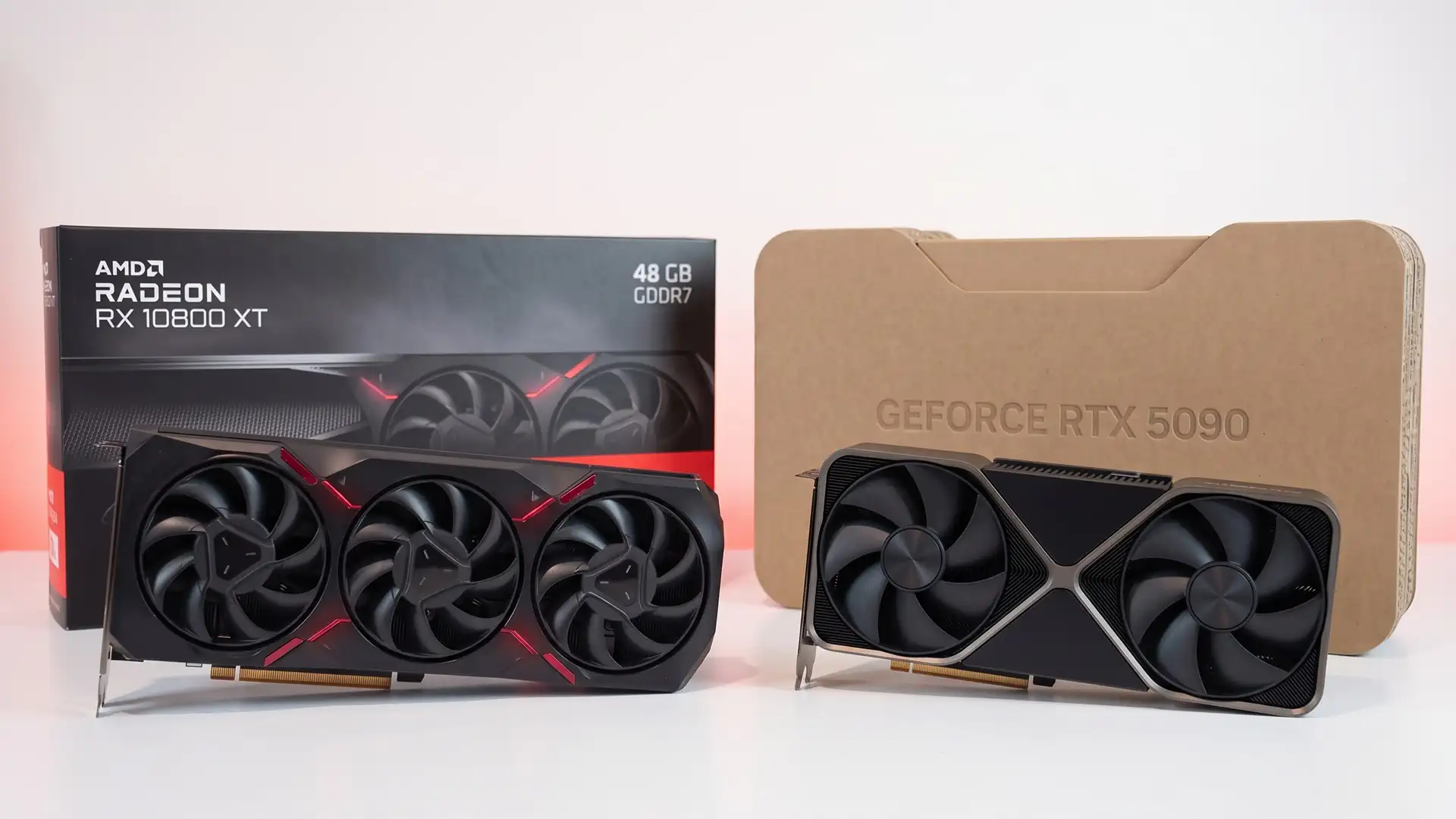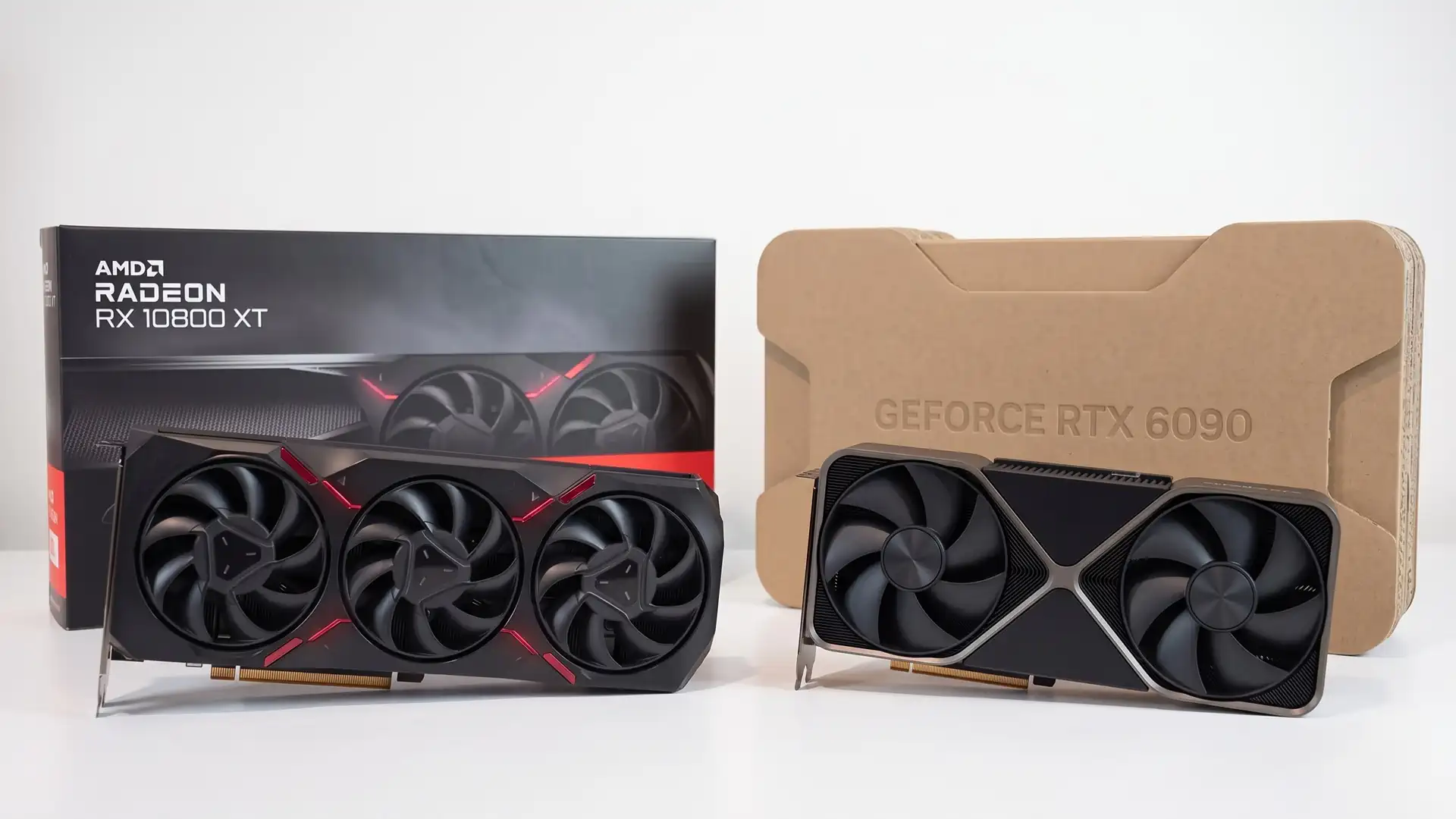
The introduction of the Radeon RX 10800 XT represents an architectural inflection point in the semiconductor industry. By targeting a performance delta of 15% to 25% over NVIDIA’s flagship RTX 5090, AMD is transitioning from a value-oriented competitor to a high-throughput leader. This shift indicates a sophisticated reallocation of silicon real estate toward RDNA 5, prioritizing raw compute power and neural efficiency to capture the high-margin ultra-enthusiast market.
RDNA 5: Architectural Disruption and Silicon Scaling
The RDNA 5 architecture moves beyond incremental rasterization, focusing on a compute-heavy paradigm. The 18x increase in Neural Array performance relative to the RX 9070 XT signals a strategic pivot toward local AI acceleration. This hardware scaling allows the RX 10800 XT to manage 4K rendering and complex ray-tracing workloads through intelligent reconstruction rather than brute-force computation, significantly improving performance-per-watt metrics in thermal-constrained environments.
Furthermore, by front-loading technological advancements, AMD aims to disrupt the traditional biennial release cycle of its competitors. Projecting performance that rivals the anticipated RTX 6090 forces a reactive stance from NVIDIA, potentially compressing product lifecycles and shifting the ‘halo product’ prestige toward the Radeon brand. This aggressive roadmap leverages chiplet-based design to maintain yield efficiency while scaling transistor density.
The Neural Array Leap: Local AI and Prosumer Workloads
The 18-fold boost in neural processing capacity is the cornerstone of the RX 10800 XT’s long-term viability. As industry workflows integrate local Large Language Models (LLMs) and generative AI, the demand for low-latency desktop inferencing has surged. AMD’s hardware investment targets the CUDA-dominant ecosystem by providing superior raw horsepower for open-source frameworks, appealing directly to developers and researchers concerned with data privacy and cloud latency.
In creative sectors, this acceleration facilitates real-time AI-assisted video encoding and asset generation. By offering a 25% performance advantage in these hybrid workloads, AMD effectively rebrands Radeon as a dual-purpose powerhouse. This capability is augmented by sophisticated temporal upscaling, where the Neural Array’s power ensures superior image stability and detail retention at 4K resolutions, meeting the stringent demands of the professional and enthusiast demographics.
Strategic Market Dynamics and Ecosystem Impact
The RX 10800 XT’s projected superiority exerts immense pressure on NVIDIA’s pricing and inventory management. Should AMD maintain a competitive price-to-performance ratio, it threatens the premium margins of the ’90-class’ segment. This could trigger a top-down price correction across the mid-range market. Additionally, the high power-delivery requirements of such a flagship will likely catalyze innovation in high-efficiency PSU and liquid-cooling markets.
From an operational perspective, the success of RDNA 5 serves as a validation of AMD’s R&D efficiency. Utilizing advanced nodes at TSMC, AMD must ensure supply chain stability to avoid the availability issues of previous generations. If executed correctly, this launch diversifies AMD’s revenue streams, reducing CPU dependency and providing the capital required for further expansion into data-center AI sectors.
Conclusion: Redefining High-Performance Computing
The Radeon RX 10800 XT is more than a gaming iteration; it is a catalyst for a broader shift in the global computing landscape. By integrating data-center-level neural processing into a consumer form factor, AMD challenges the definition of an ‘AI PC.’ The competitive pressure generated by RDNA 5 will likely accelerate industry-wide innovation, benefiting end-users through rapid technological advancement and a more balanced high-end GPU market.