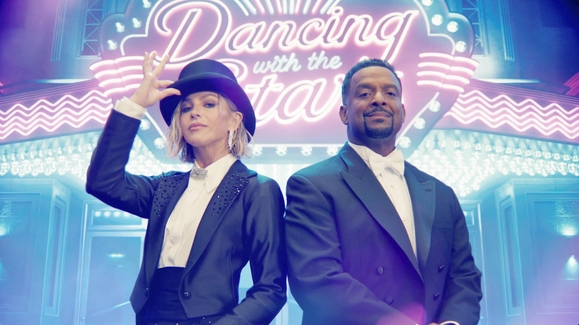
DWTS Season 35: Strategic Premiere Format Maximizes Engagement & Narrative Impact
The 35th season of ‘Dancing With the Stars’ (DWTS) is set to debut with a deliberate two-night premiere on September 15 and 16, a strategic structural decision engineered to segment audience attention and amplify initial engagement. This innovative format allocates the first night exclusively to male celebrity performances and the second to female celebrity debuts. This calculated segmentation aims to prevent the dilution of individual contestant impact in a crowded single-night event, thereby affording each participant a distinct platform for their introduction and initial narrative development.
Further enhancing this curated launch, each celebrity couple will perform only once during the premiere, dancing to a No. 1 song from their birth year. This specific content choice underscores a focus on personalized storytelling and fosters a deeper emotional connection with the audience by tapping into nostalgia and individual identity, a proven tactic in reality television to enhance viewer investment and social media discourse.
Operational Dynamics & Commercial Upside of a Staggered Launch
From an operational perspective, executing a two-night premiere necessitates a more complex production schedule and potentially increased staffing for live broadcasts. However, the commercial rationale is compelling: it facilitates extended advertising revenue across two consecutive nights and generates sustained media buzz, keeping DWTS at the forefront of entertainment discussions. This prolonged launch event is a strategic maneuver to optimize initial audience capture and market presence in a competitive media landscape.
The strategic allocation of male and female contestants across these nights also suggests an effort to leverage distinct viewership patterns or to craft differentiated narrative arcs for each segment of the cast. This approach can cater to diverse audience preferences and generate segmented social media engagement, thereby broadening the show’s overall reach and online footprint.
Multi-Platform Distribution: Adapting to Modern Viewing Habits
The show’s distribution strategy, encompassing a live broadcast on ABC, simultaneous streaming on Disney+, and next-day availability on Hulu, represents a sophisticated response to evolving media consumption. This multi-platform approach is a strategic imperative for a long-running series, maximizing accessibility and catering to both traditional linear television viewers and the growing segment of streaming-first audiences. It ensures that DWTS remains competitive by accommodating various viewing schedules and preferences, crucial for sustained audience retention across demographics and time zones.
Casting Diversity & Brand Reinforcement in a Fragmented Landscape
Showrunner Conrad Green’s observation regarding the fragmentation of the celebrity world highlights a key challenge DWTS addresses through its diverse casting. The inclusion of personalities spanning athletes (Paralympian Ezra French), actors (Jenna Dewan, Julia Stiles), and reality TV figures (Tyler Cameron) aims to serve as a cultural aggregator. This broad appeal strategy directly targets disparate fan bases, leveraging their loyalty to specific celebrities to unite a wide audience under the DWTS umbrella. The return of seasoned hosts Alfonso Ribeiro and Julianne Hough further reinforces brand recognition and continuity, providing a stable anchor for the franchise’s two-decade legacy and reassuring long-term viewers.
Thematic Resonance: Nostalgia, Narrative & The Mirrorball Trophy
The deliberate selection of No. 1 songs from each celebrity’s birth year is a potent application of nostalgia, a powerful tool for emotional resonance. This personalizes the competition beyond dance skill, weaving individual life narratives and cultural histories into each performance. It creates a multi-layered viewing experience, engaging older demographics through shared cultural memories and introducing younger viewers to significant musical touchstones, thereby broadening cross-generational appeal.
The pursuit of the Len Goodman Mirrorball Trophy remains the season’s central competitive driver and a powerful unifying symbol. Representing achievement, dedication, and the culmination of weeks of effort, this iconic prize provides a clear narrative arc, generating continuous interest and reinforcing the show’s enduring appeal. Its esteemed name and legacy further amplify the stakes and the value of the competition.
Broader Industry Implications & Future Trajectories for Broadcast Television
The innovative two-night premiere format for DWTS Season 35 positions it as a potential case study for other broadcast networks contending with audience retention challenges. It signifies a proactive willingness by ABC and Disney+ to adapt traditional programming structures to align with contemporary viewing behaviors and market pressures. By segmenting the launch and personalizing content elements, DWTS is actively crafting distinct moments of engagement designed for amplification across digital and social media platforms, an increasingly vital component of integrated content promotion strategies.
The sustained success of such a format could encourage further experimentation with multi-night or staggered launch events for other flagship programs, potentially reshaping how major television events are introduced to the public and influencing future advertising sales models. This evolution in broadcast strategy demonstrates a forward-thinking approach to maintaining relevance and viewership in a dynamic entertainment ecosystem.