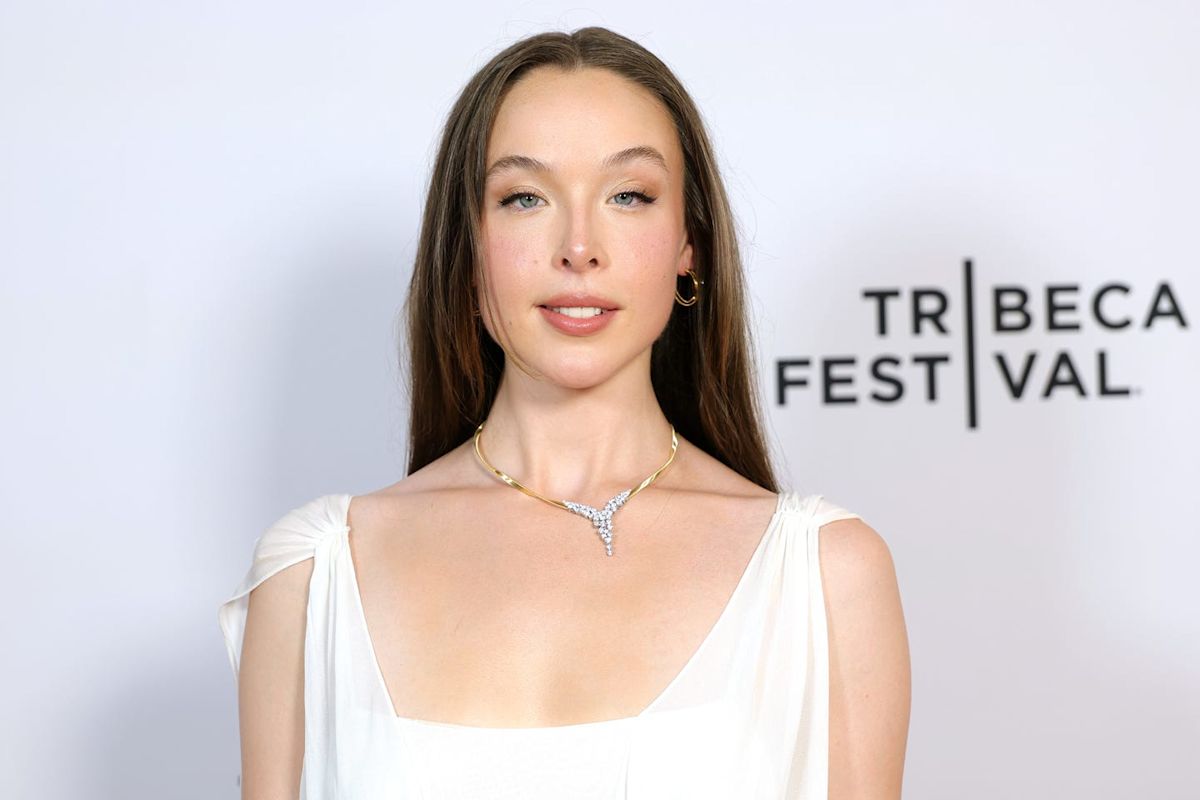
Actor Ella Beatty is set to star in her first major leading role, portraying acquitted murder suspect Lizzie Borden in the upcoming Netflix biographical crime drama Monster: The Lizzie Borden Story. Premiering on September 17, the series reexamines the 1892 double homicide of Andrew and Abby Borden in Fall River, Massachusetts. The historic case, marked by a hatchet attack, led to a highly publicized trial and an acquittal by an all-male jury in 1893.
For a rising actor within the prestige television landscape, securing a central role in an established anthology franchise represents a critical career advancement. Beatty’s prior credits include the 2024 television series Feud: Capote vs. The Swans and a role in the 2025 feature film If I Had Legs I’d Kick You, establishing her presence in high-profile studio and network projects prior to this top-billed casting.
The Historical and Cultural Weight of the Borden Narrative
Streaming producers’ return to the Lizzie Borden case highlights the sustained commercial viability of true crime narratives. The 1892 murders generated generational fascination, evolving from nineteenth-century journalism into modern folklore and academic study. By framing the narrative through an investigative and psychological lens, the production aims to reexamine foundational questions that persist over a century later.
In promotional commentary, Beatty noted the psychological complexity of interpreting a figure of such historical weight. Contemporary performers tackling criminal iconography must navigate the boundary between documented history and dramatization. Industry analysts observe that biographical series serve as performance benchmarks for emerging talent, testing an actor’s ability to anchor a major narrative arc under public scrutiny.
Navigating Institutional Legacy and Industry Expectations
Beatty’s career entry also carries distinct industry lineage. As the 26-year-old daughter of Warren Beatty and Annette Bening, she operates within a documented framework of generational Hollywood participation. Media coverage frequently highlights her familial ties, including her resemblance to her aunt, actor Shirley MacLaine.
This dynastic context introduces unique perceptual pressures. While established family networks offer early familiarity with studio mechanics, performers must validate their commercial and critical viability through execution. Industry observers evaluate second- and third-generation entrants through individual merit, separating structural access from actual screen presence.
Strategic Positioning within the Streaming Ecosystem
Netflix’s deployment of biographical true crime reflects broader industry shifts toward established intellectual property and serialized anthologies. Projects leveraging recognized historical mysteries offer built-in audience awareness, mitigating financial risks associated with original properties. Casting rising talent in lead roles allows studios to balance budget parameters with fresh creative energy.
As the entertainment sector navigates shifting global viewership metrics, platform-exclusive series depend on generating sustained cultural discourse. The upcoming installment of the Monster franchise tests whether historical domestic crime can match the metrics of previous iterations. For Beatty, the project functions as a pivotal benchmark, positioning her within contemporary dramatic television.