Strategic Vacuum: The Cost of Physiological Depletion
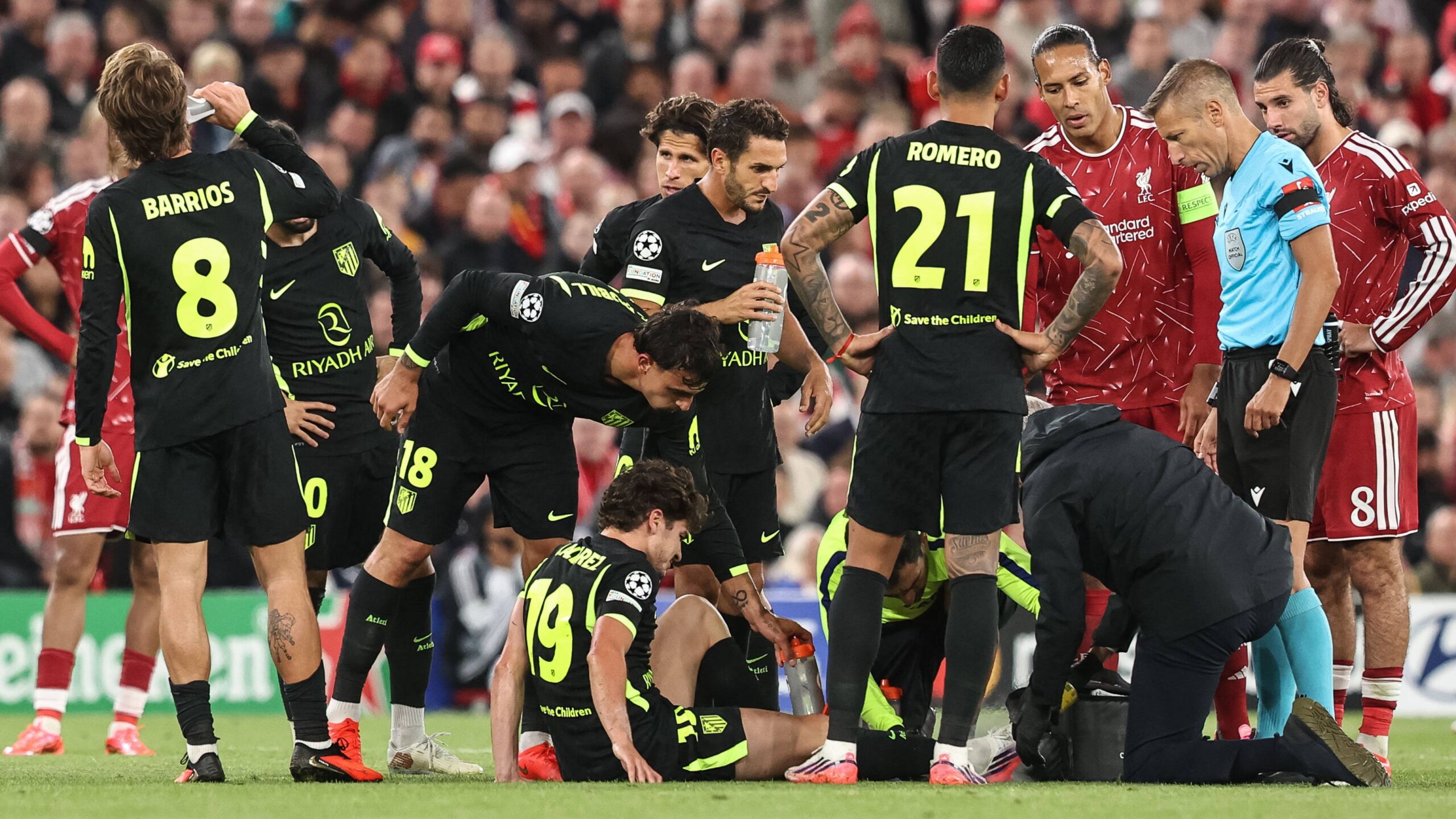
The exclusion of Julián Alvarez from Atlético Madrid’s matchday squad against Real Sociedad represents a significant disruption to Diego Simeone’s tactical architecture. Following a late-stage medical assessment, the Argentine forward was withdrawn due to muscular overload—a direct consequence of the extreme physical output required during the midweek Champions League fixture against Liverpool. This absence creates a strategic vacuum in the final third, removing a player who has rapidly become the primary trigger for the team’s defensive pressing sequences.
The Anfield Fallout and Load Management Metrics
Analytical data suggests the genesis of this injury lies in the high-intensity transitions at Anfield. Having logged 90 minutes against a high-tempo Liverpool side, Alvarez’s physiological reserves reached a critical threshold. The decision by the medical staff to enforce a period of ‘strategic absenteeism’ reflects a modern shift in La Liga management: prioritizing data-driven recovery metrics over immediate tactical necessity to prevent a minor strain from evolving into a catastrophic soft-tissue rupture.
Compounding Depth Deficits
Alvarez’s unavailability is magnified by the concurrent absence of Alexander Sorloth and Pablo Barrios. This concentration of injuries among the squad’s ‘vertical’ assets—those responsible for ball progression and physical presence—leaves Simeone with a technical deficit. Without his primary physical reference points, the manager is forced to abandon his preferred high-block strategy for a more reactive, lower-block posture. This thinning of the roster increases the burden on remaining starters, potentially initiating a cycle of over-exertion across the squad.
Institutional Stability and Asset Protection
Beyond the pitch, the management of Alvarez’s fitness is a matter of institutional concern. Given the significant capital investment associated with his transfer, the club’s transparency regarding his ‘muscular overload’ serves to manage stakeholder expectations and market sentiment. By framing the absence as proactive medical governance, Atlético Madrid seeks to protect its highest-value asset while navigating a period of inconsistent competitive form. The result in San Sebastián will serve as a definitive test of the squad’s operational depth and Simeone’s ability to improvise under systemic pressure.