Operational Adjustments Amid Offensive Personnel Constraints
Following a narrow season-opening setback against North Carolina, TCU returns to Amon G. Carter Stadium to execute a strategic reset against Grambling State. The Horned Frogs must navigate significant operational headwinds, specifically the absence of primary receiving targets Jordan Dwyer and Dozie Ezukanma. Dwyer’s foot injury removes 730 yards of returning production from the 2025 hierarchy, while Ezukanma’s head injury further thins a unit previously criticized for inconsistency during the Dublin opener.
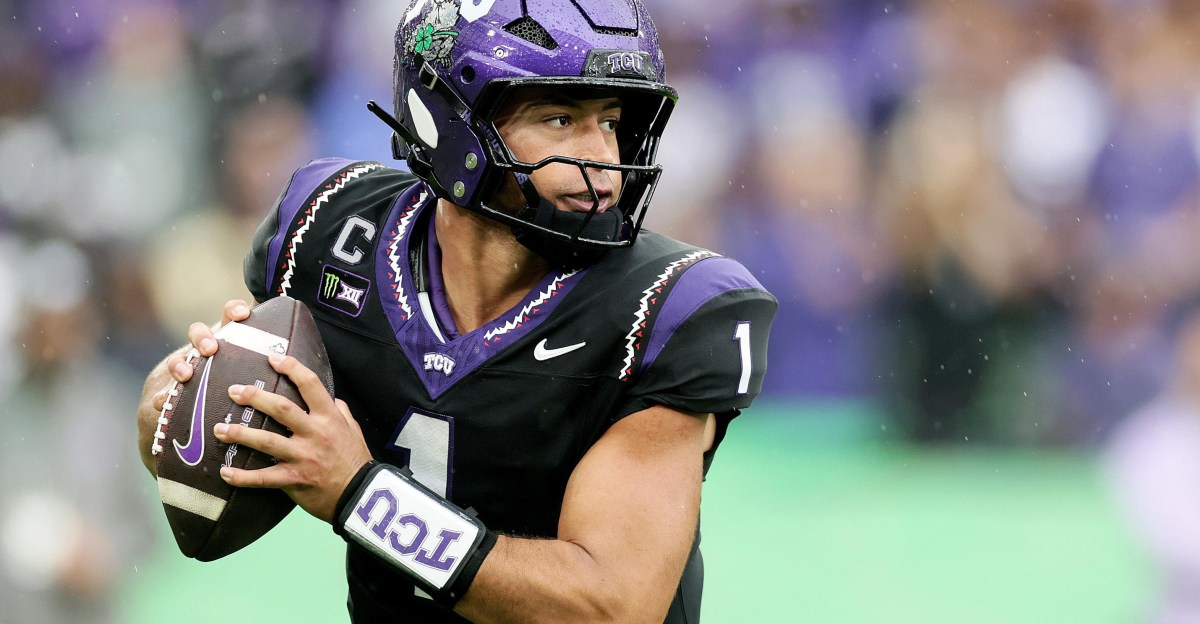
These vacancies necessitate a tactical shift toward established backfield strengths. Running back Jeremy Payne, following a 142-yard performance on 25 carries, remains the focal point of the offensive transition. Quarterback Jaden Craig enters the contest with a baseline of 175 passing yards from the opener, tasked with maintaining efficiency while the receiving corps integrates secondary playmakers to compensate for Dwyer’s missing experience. Defensively, the absence of Zach Chapman introduces unquantified variables, requiring adaptive coaching maneuvers to maintain structural integrity.
Institutional Resilience and Historical Benchmarks
The matchup serves as an intersection of competitive necessity and institutional memory. Historically, TCU has demonstrated consistent dominance in home openers, recording at least 30 points in each of its last 18 instances. This statistical benchmark provides a psychological framework for the program’s expected offensive output. Furthermore, the contest marks TCU’s first HBCU engagement since 2019, echoing the 56-0 victory over Grambling State that inaugurated the renovated stadium and the program’s entry into the Big 12.
Beyond the field, the program’s culture is reinforced by shared historical perspectives. Reflections from Head Coach Sonny Dykes and radio personality Brian Estridge regarding the 2001 season and the 25th anniversary of 9/11 highlight the role of resilience in leadership. These narratives of navigating national crisis—such as the 2001 Marshall game cancellation—serve as a foundation for the team’s current identity, fostering a culture capable of absorbing operational disruptions and focusing on collective objectives.
Infrastructure Investment and Market Engagement Strategy
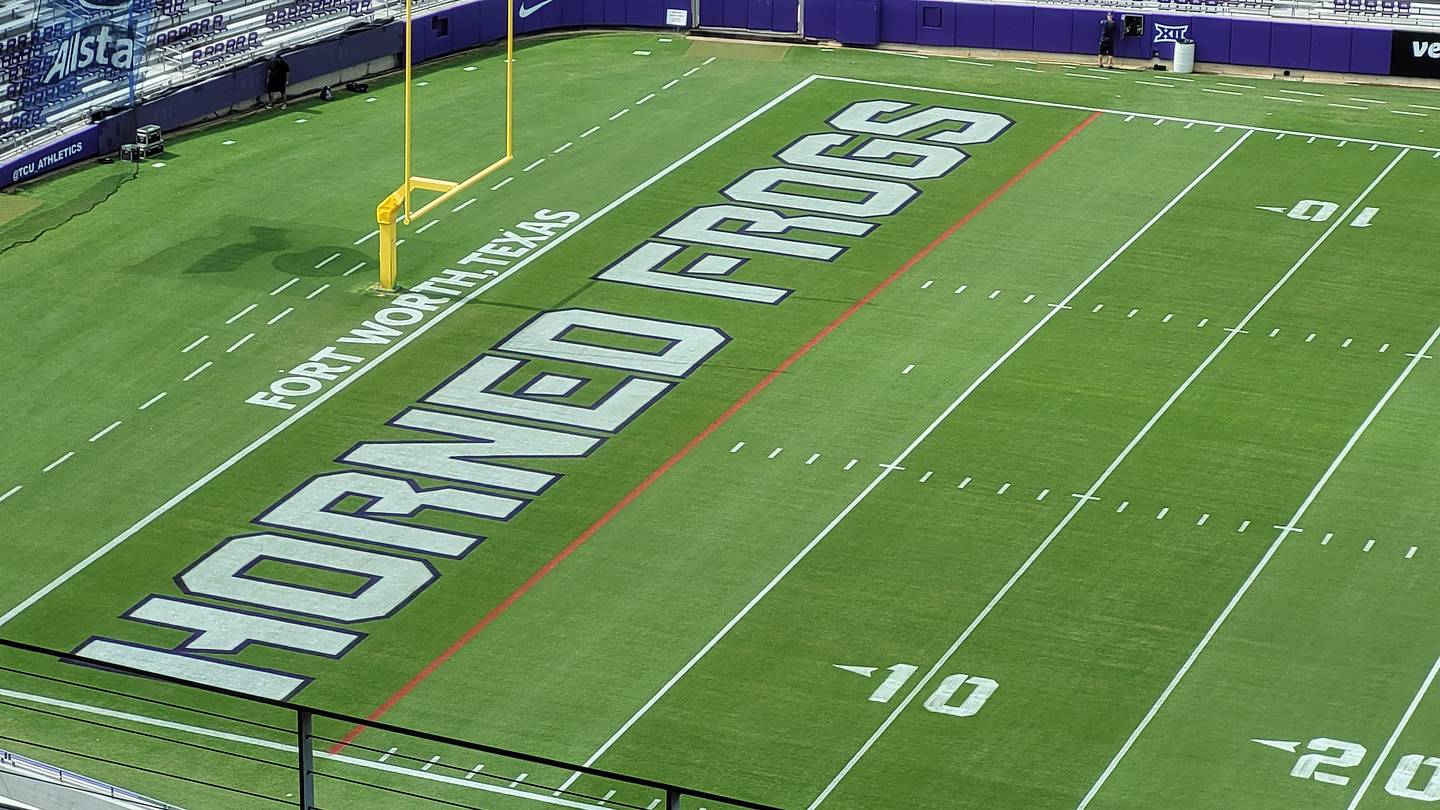
TCU’s commitment to institutional prestige is reflected in recent capital investments, notably the installation of new LED lighting at Amon G. Carter Stadium. Such upgrades are strategic imperatives in the collegiate landscape, enhancing the recruitment of top-tier talent and improving the aesthetics of global broadcasts. The game’s distribution via ESPN+, alongside specialized Spanish-language radio coverage on KTNO 620 AM, underscores a sophisticated approach to diverse market engagement and brand visibility.
The roster demographics further illuminate the regional recruiting landscape, with 12 players across both programs crossing state lines between Texas and Louisiana. This geographic interconnectedness, paired with coaching links like Grambling’s Willie Mack Garza—a former TCU staffer—adds layers of competitive intelligence to the matchup. Ultimately, this home opener is a microcosm of the modern athletic enterprise, balancing immediate competitive results with long-term infrastructure and community integration.