Playoff Valuation and Group of Six Leverage
Early-season inter-conference matchups establish critical baselines for College Football Playoff (CFP) access, particularly for Group of Six institutions operating outside the revenue safety nets of Power conferences. For programs like Memphis and Boise State, early non-conference performance directly dictates postseason qualification odds, media rights positioning, and institutional capital accumulation.
Memphis enters the matchup at 2-0 following victories over UNLV and Arkansas State, consolidating an early statistical case for the Group of Six CFP bid. Securing access to the expanded playoff model generates downstream economic yields, expanding merchandising revenue, regional enrollment interest, and philanthropic athletic donations.
Municipal Logistics and Event Operations
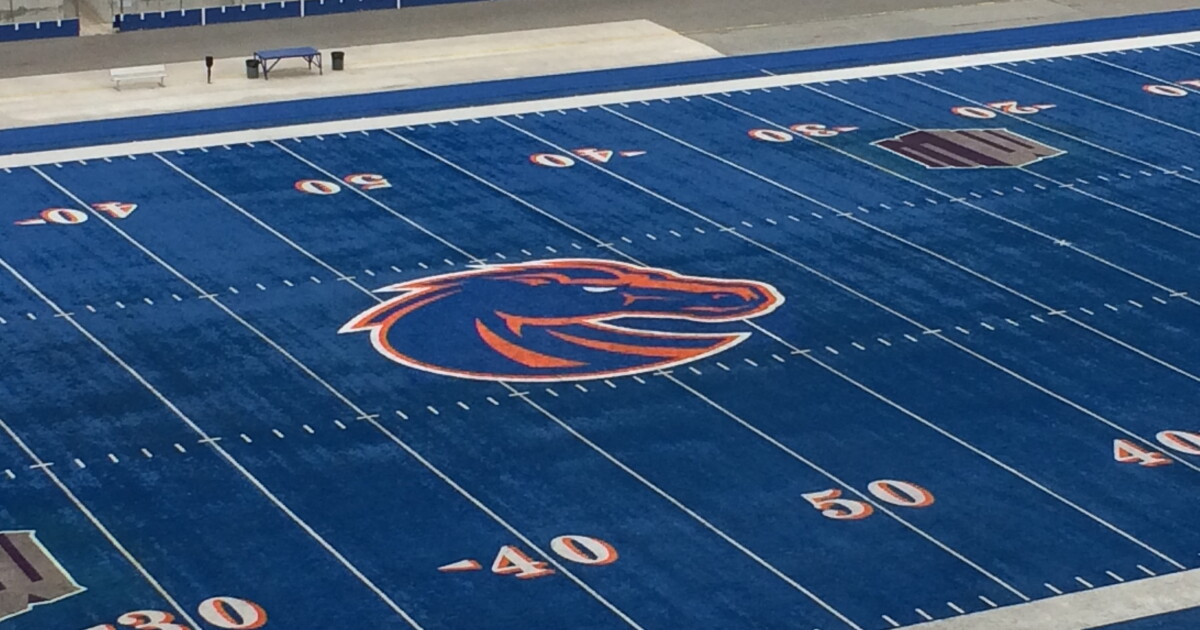
Boise State’s home opener presents distinct operational friction points, requiring municipal inter-agency coordination between campus authorities and the City of Boise. A scheduling conflict with the annual ‘Art in the Park’ festival at Julia Davis Park necessitated specialized parking restrictions and traffic redirection around the stadium perimeter.
To mitigate gridlock, municipal planners deployed designated satellite parking at alternative city parks paired with targeted shuttle transit. Concurrently, operational protocols mandate stadium clear-bag enforcement and the structured monitoring of the designated ’10 to 10 Zone,’ balancing municipal public order statutes with fan-engagement logistics.
Betting Market Valuation and Operational Friction
Capital markets reflect competitive expectations through Boise State opening as an 8.5-point favorite. Oddsmakers and market analysts, including Stuckey, factored Memphis’s condensed turnaround and consecutive road stretches directly into point-spread assessments, treating travel fatigue as an quantifiable operational deficit.
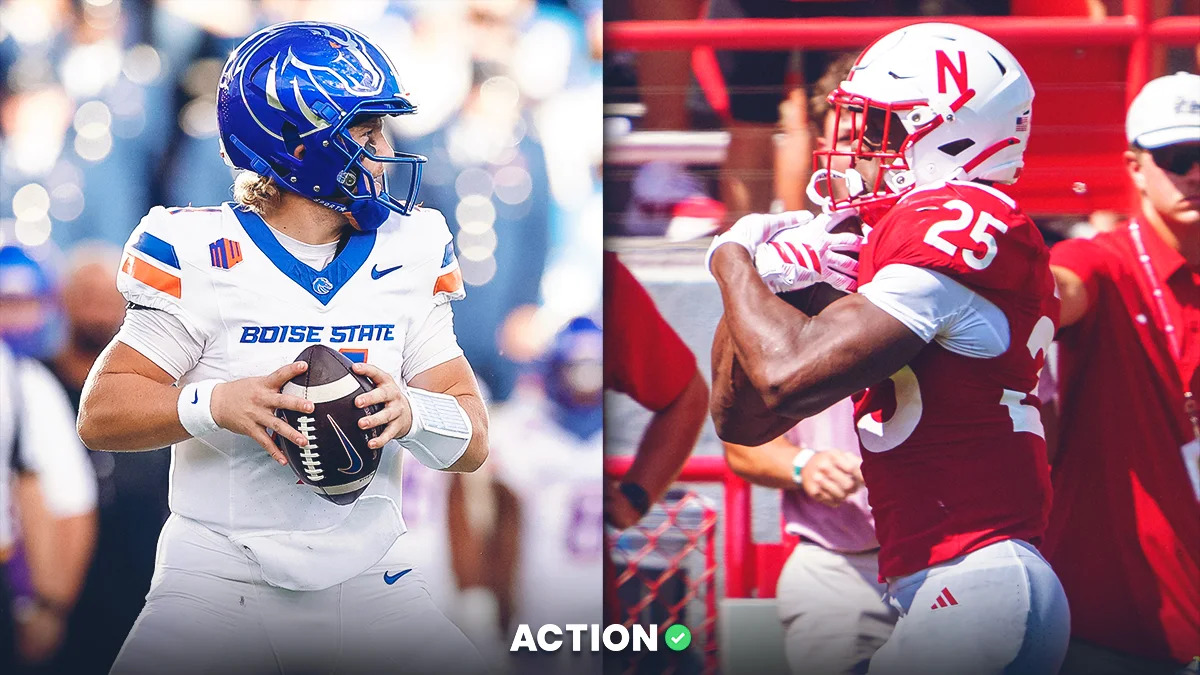
Boise State’s market positioning further hinges on high-leverage personnel performance, notably the development and efficiency of quarterback Maddux Madsen. Market participants categorize Boise State within the ‘overdogs’ paradigm, reflecting concentrated betting volume on institutional favorites possessing logistical home-field advantages.
Media Sustainability and the Nonprofit Journalism Model
The institutional coverage of these high-stakes athletic programs intersects with structural shifts in sports journalism, illustrated by The Daily Memphian’s operation as a 501(c)(3) nonprofit newsroom. This enterprise model diversifies media economics away from cyclical advertising dependency into a structured tripartite framework: 50% subscription revenue, 25% advertising and earned income, and 25% philanthropic fundraising.
Deep coverage of regional sports franchises acts as an audience-acquisition driver within this sustainability framework, converting local sports interest into recurring tax-deductible donor support. Consequently, the commercial performance of collegiate athletic programs directly reinforces the civic and financial resilience of independent local journalism.