
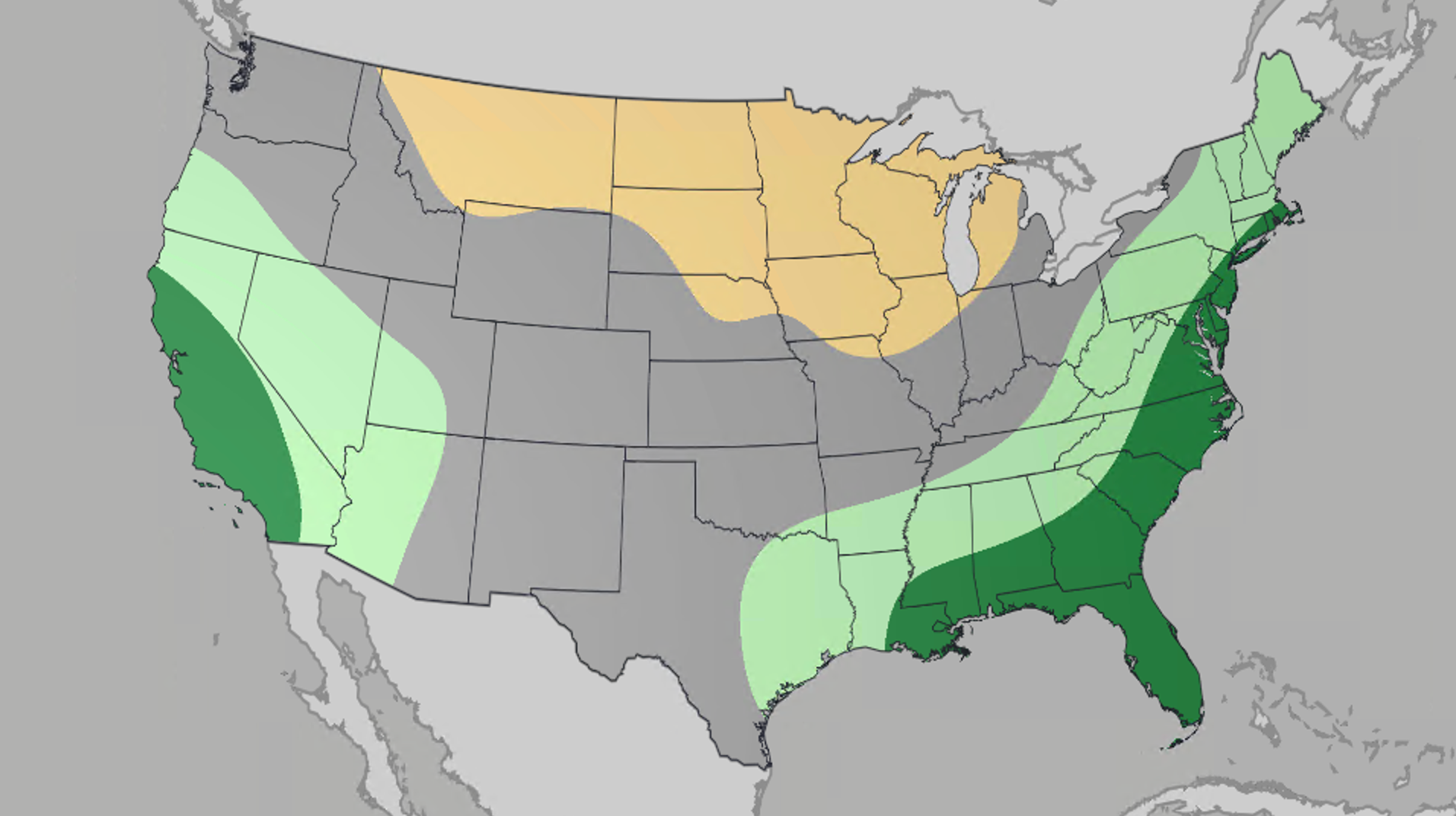
Atmospheric forcing from a high-intensity El Niño cycle will serve as the primary catalyst for North American weather variability through the 2026–27 winter. Characterized by anomalously warm sea surface temperatures across the central and eastern equatorial Pacific, this synoptic pattern drives an energized subtropical jet stream across the southern tier of the continent. For institutional operators and asset managers, this dynamic establishes asymmetric risk-reward profiles across energy markets, commercial winter recreation, municipal budgets, and critical infrastructure.
Ski Industry Divergence: Western Snowpack Reliability vs. Northeast Thermal Volatility
Seasonal projections from The Weather Company indicate marked geographic dispersion in precipitation phase and accumulation totals. The Southern Rockies and the Sierra Nevada—spanning Lake Tahoe through the Colorado ranges—are positioned for high-probability snowfall accumulation. For destination ski resort operators, this consistency minimizes snowmaking capital expenditure, stabilizes early-season advance season-pass revenue, and optimizes seasonal labor allocation following prior underperforming cycles.
Conversely, the Northeast corridor confronts elevated margin compression driven by a volatile rain-snow boundary. While the energized storm track supports above-average gross precipitation, the lack of sustained cold air damming suppresses sub-freezing base temperatures, especially in the early season. Operators face higher variable costs from energy-intensive, high-temperature snowmaking operations, alongside downside revenue risks from mid-winter rain events degrading surface coverage.
Energy Demand: Regional Gas Basis Differentials and Southern Grid Exposures
Thermal anomalies across the Northeast will alter regional natural gas demand. Suppressed early-season Heating Degree Days (HDDs) reduce residential and commercial space-heating burn, likely building local storage surpluses and dampening regional spot prices. However, persistent cyclonic activity maintains late-season tail-risk, where sudden polar air intrusions could trigger abrupt demand spikes against deferred inventory draws.
Across the Southern United States and northern Mexico, the suppressed storm track heightens grid vulnerability. While the broader baseline features cooler, wetter conditions, the increased incidence of episodic freezing rain or wet snow threatens transmission infrastructure unequipped for substantial mechanical ice loading. Utility operators face localized distribution failures and heightened exposure to real-time power price spikes during acute load dislocations.
Municipal Fiscal Balances and Supply Chain Adjustments
The intensification of coastal cyclogenesis forces East Coast municipalities to manage divergent operational risks. Fiscal planning is complicated by mixed precipitation regimes: budgets must concurrently reserve capital for mechanical snow clearance and storm-water flood mitigation, increasing chemical additive and road salt procurement uncertainty.
In the Upper Midwest, including Minnesota, the typical El Niño profile mitigates protracted Arctic cold outbreaks while maintaining active precipitation systems. A milder baseline extends municipal road construction timelines and diminishes severe equipment wear. Concurrently, logistics directors must adapt routing strategies to navigate intermittent heavy, wet snowfall, which causes distinct transport bottlenecks compared to deep-freeze baseline regimes.
Hydrological Replenishment and Agricultural Basin Reserves
Above-average snow accumulation across the Sierra Nevada and Colorado Rockies provides vital hydrological relief to the aridified Colorado River Basin and California reservoir networks. Robust snow-water equivalents (SWE) bolster spring run-off projections, mitigating municipal curtailment fears and easing contentious inter-state water rights negotiations.
Conversely, rainfall-dominated anomalies in the mid-Atlantic and Northeast present agricultural land managers with heightened topsoil erosion, accelerated nutrient runoff, and elevated winter flash-flood risks. The inability of unfrozen, saturated soils to absorb high-volume atmospheric river events demands preventative drainage retrofits and revised risk assessments.
Institutional Hedging and Portfolio Adaptation
The operational scale of a Super El Niño underscores the necessity of proactive balance-sheet hedging. Commercial stakeholders are leveraging structured weather derivatives, including Heating Degree Day (HDD) and Cooling Degree Day (CDD) index options, to offset localized volumetric revenue declines. In retail, supply chains are reallocating technical winter inventory directly to western distribution hubs while shifting eastern inventory mixes toward water-resistant equipment and versatile outerwear.
Summary Outlook
The 2026–27 El Niño cycle presents an economically bifurcated winter across North America. Capital allocation will favor Western water, hydro-generation, and winter resort operations, while Eastern utilities and Southern grid operators must navigate severe margin compression and intermittent mechanical infrastructure stress through early 2027.

Photo by suesun on Pixabay.