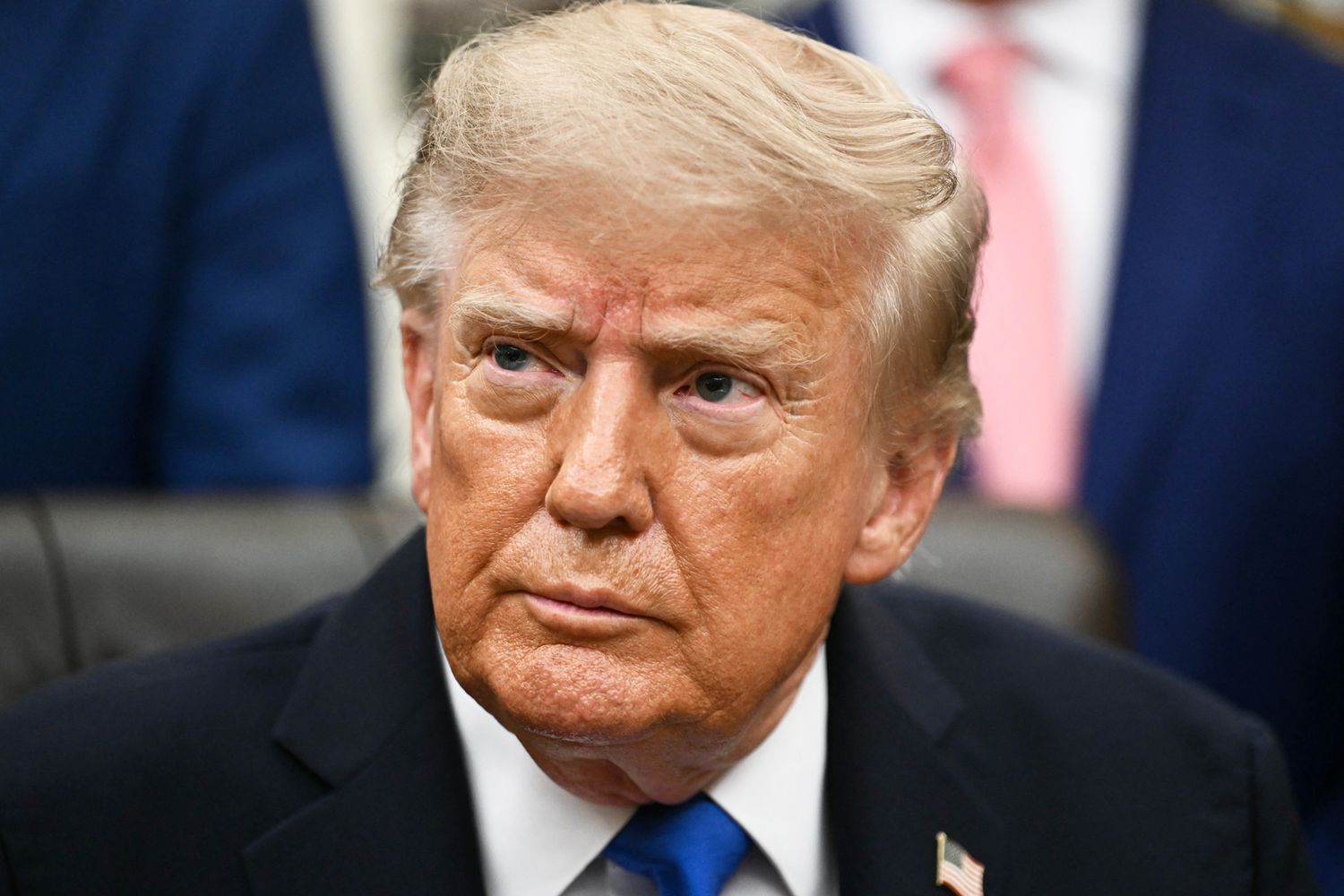
The posthumous conferral of the Presidential Medal of Freedom upon Welles Crowther underscores the institutionalization of individual heroism from the September 11, 2001, terrorist attacks. President Donald Trump formally recognized the equities trader and volunteer firefighter, whose actions inside the South Tower of the World Trade Center saved numerous lives before the structure collapsed. This recognition highlights how specific personal narratives anchor national memory and institutional commemorations.
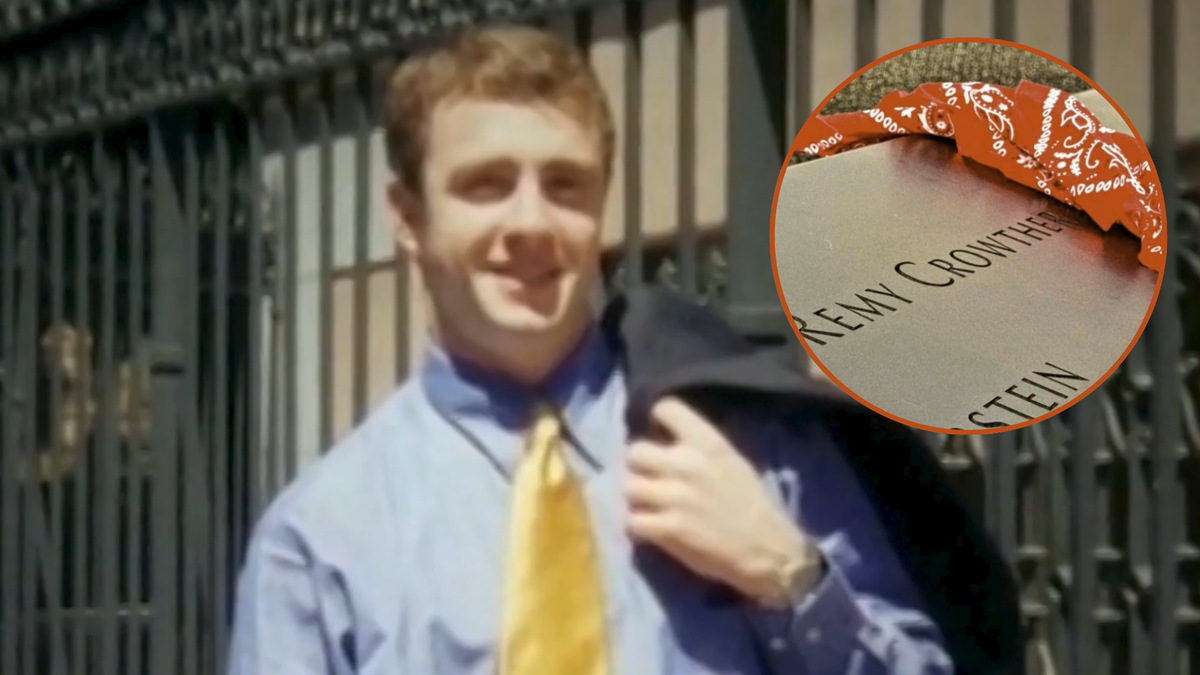
For modern generations of students, particularly at Boston College where Crowther graduated in 1999, the historical distance of the 2001 attacks is bridged through tangible symbols. A red bandana, displayed near campus gates, functions as a persistent educational and cultural touchstone for selflessness and civic duty. University spokespersons frequently point to Crowther’s trajectory to demonstrate the intersection of collegiate athletics, professional finance, and volunteer public service.
Crowther’s dual identity as a Wall Street equities trader and a volunteer firefighter placed his actions at the intersection of private commerce and public safety infrastructure. Survivor accounts detailing his return into the stricken South Tower illustrate a tactical response independent of formal emergency command structures. Armed with a red bandana given to him in childhood by his father, Crowther navigated hazardous conditions to guide multiple individuals to safety.
The operational reality of the South Tower’s evacuation involved decentralized decision-making amidst catastrophic structural failure. Witness testimony establishes that Crowther utilized crisis management protocols and his firefighting background to establish improvised escape routes. By leading survivors down to safety before reascending the tower, his actions altered the survival calculus for those trapped in the upper floors.
The Presidential Medal of Freedom, the highest civilian award in the United States, carries significant weight within institutional spheres. President Trump’s public remarks highlighted the unique cultural resonance of Crowther’s legacy, noting the widespread public recognition that has developed around the volunteer firefighter’s identity. This official acknowledgment elevates individual sacrifice into the permanent canon of American civic iconography.
Institutional memory surrounding September 11 relies on documented acts of individual agency to maintain historical continuity across decades. As public safety protocols have evolved since 2001, the narrative of the ‘Man in the Red Bandana’ remains a central reference point in discussions surrounding emergency response and civic responsibility. The family’s acceptance of the award on Crowther’s behalf preserves the personal dimension of a tragedy that reshaped global security architectures.