The Evolution of Tournament Apparel
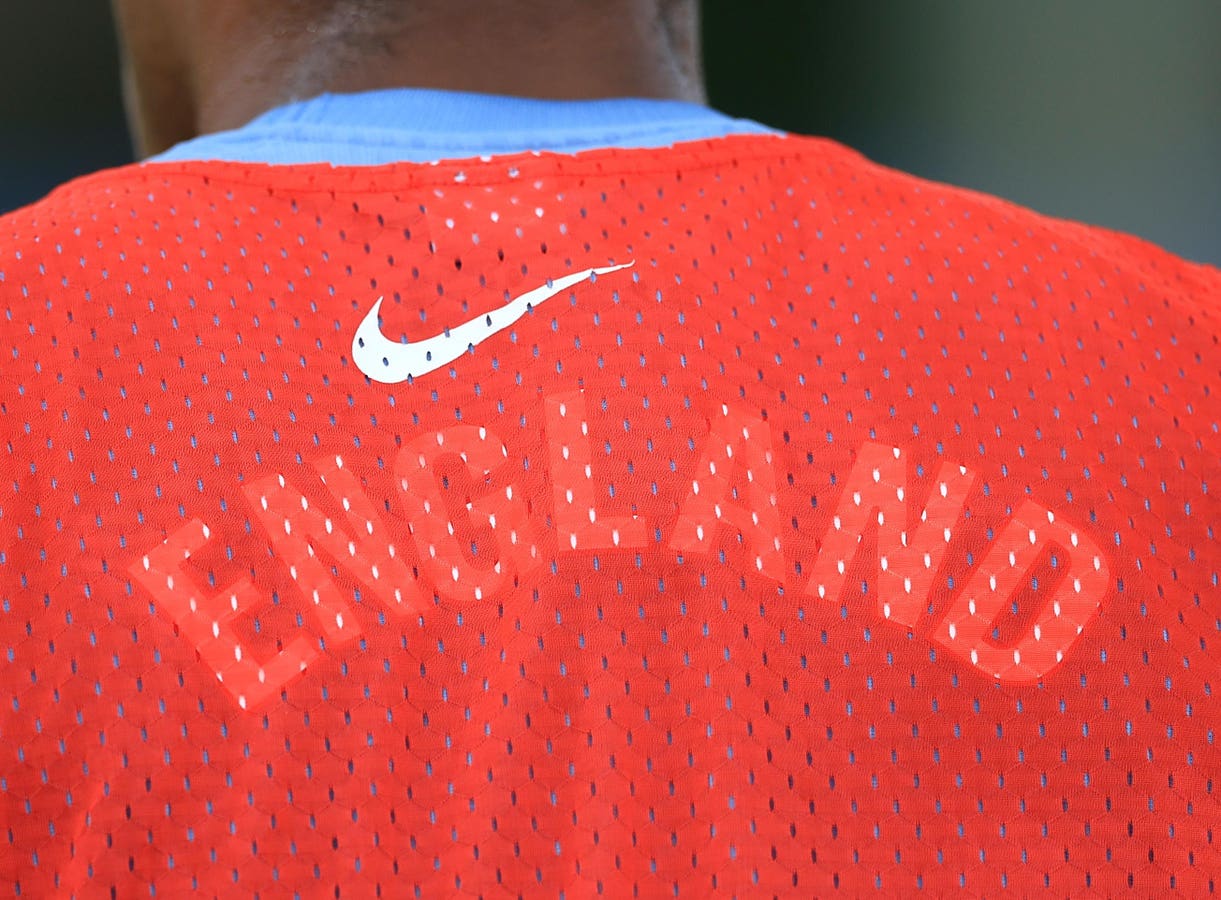
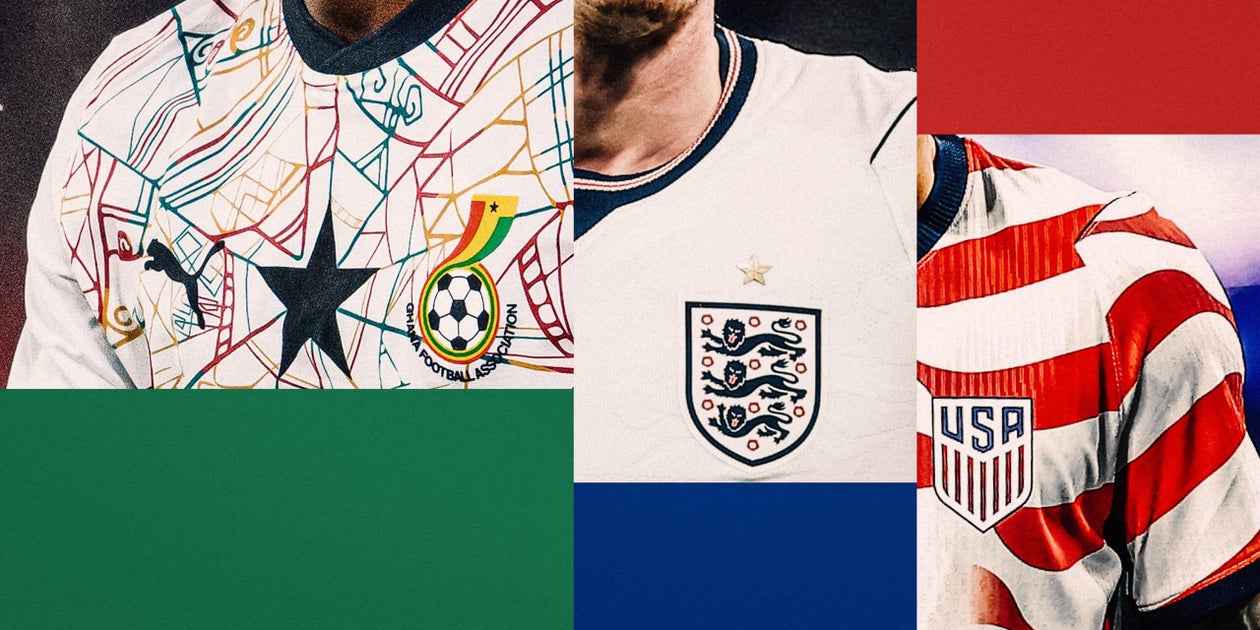
The 2026 FIFA World Cup marks a critical inflection point for the global sports apparel sector. With an expanded 48-team format, the event serves as both a premier athletic competition and a high-stakes commercial stage for manufacturing giants like Nike, Adidas, and Puma.
As these brands prepare for a high-volume merchandise cycle, they must navigate a fragmented retail landscape. The traditional model—driven by the perpetual release of current-season kits—is now competing with a high-growth secondary market fueled by nostalgia and the ‘gorpcore’ and ‘blokecore’ lifestyle trends.
The Proliferation of the Retro Market
The vintage soccer shirt market has evolved from a niche collector’s hobby into a dominant fashion category. Driven by Gen Z and Millennial demographics, jerseys are now viewed as essential lifestyle pieces rather than purely functional athletic equipment.
Influenced by social media, a focus on circular economy, and a demand for historical authenticity, kits from the 1980s through the early 2000s now command premium resale values. Iconic tournament designs, such as Argentina’s 1986 aesthetic or France’s 1998 colorways, are increasingly perceived by consumers as more culturally relevant than contemporary templates.
Strategic Friction for Manufacturers
This trend creates a structural challenge for official sponsors. When fans prioritize a ‘grail’ vintage shirt over a 2026 launch, the projected sell-through rates for new merchandise face potential dilution. Brands are forced to pivot, blending modern performance-grade textiles with retro-inspired design cues to bridge the gap between innovation and legacy.
Operational Dynamics: Authentic vs. Replica
The distinction between ‘authentic’ (player-spec) and ‘replica’ (fan-spec) gear remains central to retail economics. Retailers like Saturdays Football emphasize that technical variations in fabric technology, ventilation, and fit drive distinct consumer segments—those seeking stadium-ready performance versus those prioritizing everyday durability and comfort.
Market Positioning and Consumer Behavior
The 2026 tournament will likely yield a bifurcated fan base: the ‘traditional’ consumer purchasing the latest national team release, and the ‘curator’ utilizing the event as a medium for historical expression. Brands must therefore diversify their marketing, treating each kit not merely as a unit of inventory, but as a potential piece of cultural capital.
Economic Consequences and Future Outlook
The economic impact of the 2026 World Cup extends to global supply chain volatility and inventory forecasting. If the preference for retro apparel persists, brands may need to shift from a pure ‘new release’ model toward a hybrid strategy—integrating archival elements into official product lines or finding ways to interface with the resale market.
Ultimately, the 2026 World Cup will serve as a stress test for the industry. Success will be determined by a brand’s ability to balance cutting-edge innovation with the enduring, market-defying appeal of the past. The industry’s response to this tension will define the commercial landscape for future international sporting events.