Systemic Pressures: Geopolitical Contagion and Energy Market Disruption
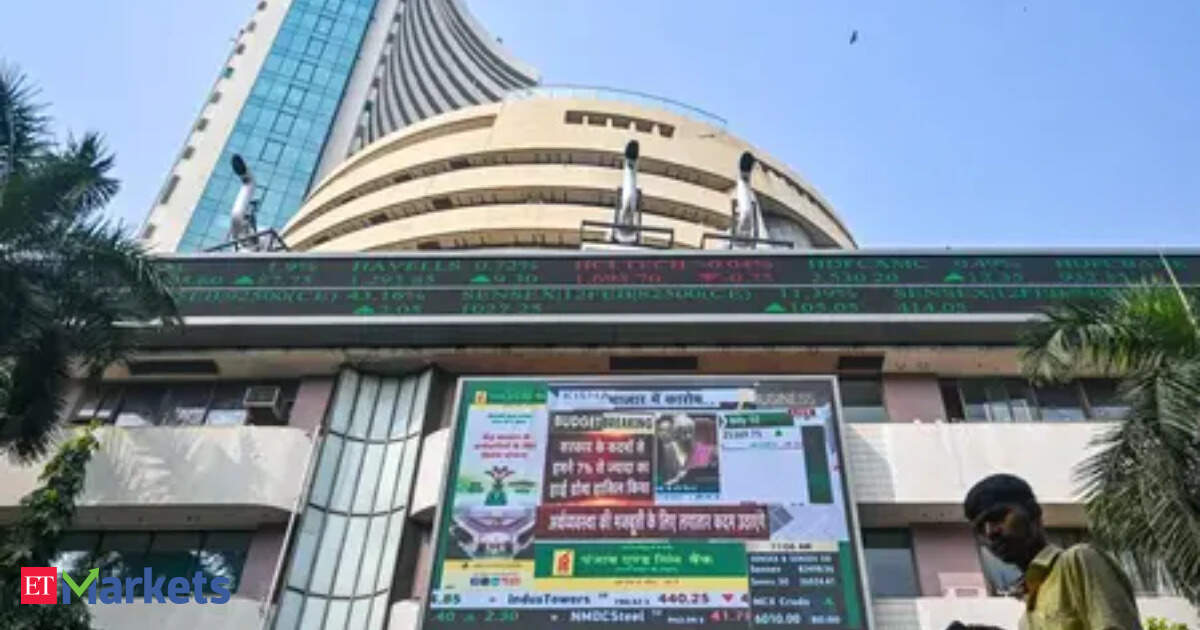
Indian benchmark indices, the Nifty 50 and BSE Sensex, recorded their fifth consecutive weekly decline, signaling a sustained period of capital erosion. The Nifty closed at 23,398.1 (down 0.3%), while the Sensex ended at 74,781.76 (down 0.2%), with both indices recovering marginally from 1% intraday troughs. This retreat to three-month lows reflects a significant risk-off pivot as institutional investors price in escalating external shocks.
The correction is primarily catalyzed by heightened volatility in the Middle East. Strategic disruptions along Red Sea shipping corridors and the Houthi seizure of the Port of Mocha have introduced a significant risk premium into global energy markets. For a net-importing economy like India, the resulting surge in Brent crude—which breached the $100/barrel psychological threshold to reach $107.70—presents a direct threat to macroeconomic stability, potentially widening the current account deficit and exacerbating imported inflation.
Macroeconomic Fallout: Inflationary Impulses and Fiscal Constraints
The 13% weekly surge in crude benchmarks (Brent at $104.1 and WTI at $102.50) has profound implications for corporate profitability and sovereign fiscal health. Elevated energy costs translate into immediate input-cost inflation for manufacturing, aviation, and logistics sectors. This margin compression forces a strategic dilemma: absorbing costs at the expense of earnings or passing them to consumers, which risks dampening aggregate demand.
Furthermore, sustained triple-digit oil prices complicate the Reserve Bank of India’s (RBI) monetary trajectory. As fuel-driven logistics costs permeate the broader Consumer Price Index (CPI), the likelihood of a hawkish policy stance increases. This domestic pressure is compounded by rising US Treasury yields, which incentivize capital flight from emerging markets as investors seek higher risk-adjusted returns in dollar-denominated safe havens.
Technical Indicators and Market Sentiment
Internal metrics corroborate the bearish sentiment. The Nifty Volatility Index (VIX) surged 4% to 12.27, indicating an escalation in the ‘fear gauge’ and increased demand for portfolio hedging. From a technical perspective, the Nifty is testing a critical support zone between 23,000 and 23,200. While the Relative Strength Index (RSI) suggests oversold conditions—potentially triggering a mean-reversion bounce toward 23,700—fundamental headwinds remain the dominant driver of price action.
Strategic reorientation is also visible at the institutional level. While analysts like Aswath Damodaran argue that markets eventually calibrate to higher interest rates, the immediate liquidity crunch driven by FII (Foreign Institutional Investor) outflows remains a primary concern. The upcoming global CPI data releases will be pivotal in determining whether current valuations can withstand a prolonged high-rate environment.
Geopolitical Realignment and Strategic Resilience
The current crisis underscores the necessity of India’s long-term energy diversification. Beyond immediate fiscal management, the government must navigate a shifting geopolitical landscape, including emerging trade frameworks discussed at the BRICS summit. These intra-bloc cooperatives may eventually offer alternative financial architectures to mitigate the impact of traditional supply chain chokepoints and currency volatility.
Ultimately, the Indian market’s resilience depends on the de-escalation of maritime conflicts and the stability of the Strait of Hormuz. Until energy price stability is restored, financial institutions and retail participants must adopt defensive positioning, prioritizing sectors with high pricing power and robust supply chain redundancies to navigate this period of heightened systemic risk.