
Political Gridlock and Operational Vulnerability at Austin-Bergstrom International Airport
The partial government shutdown, beginning in mid-February, exposed critical vulnerabilities within the U.S. air travel infrastructure, most acutely at Austin-Bergstrom International Airport (ABIA). The failure to appropriate funds for the Transportation Security Administration (TSA) directly led to significant staffing shortages. These shortages, resulting from essential personnel working without compensation for weeks, created growing delays and extended passenger wait times. The core issue was the inability of the workforce to withstand prolonged financial duress; sources indicate employees had depleted savings and maxed out credit cards, demonstrating a systemic lack of financial resilience for essential federal personnel.
This operational degradation at ABIA highlights how political gridlock translates directly into tangible economic consequences. The reliance on a financially vulnerable workforce for critical infrastructure creates a direct link between policy disputes in Washington and operational instability on the ground. As staffing levels dropped and remaining personnel faced heightened pressure, screening efficiency decreased, imposing tangible costs on airlines through schedule disruptions and increased operational overhead. This scenario demonstrated that the air travel system’s operational resilience is directly tied to the financial stability of its workforce, a stability that political decisions can unilaterally compromise.
The Strategic Calculus of Private Intervention
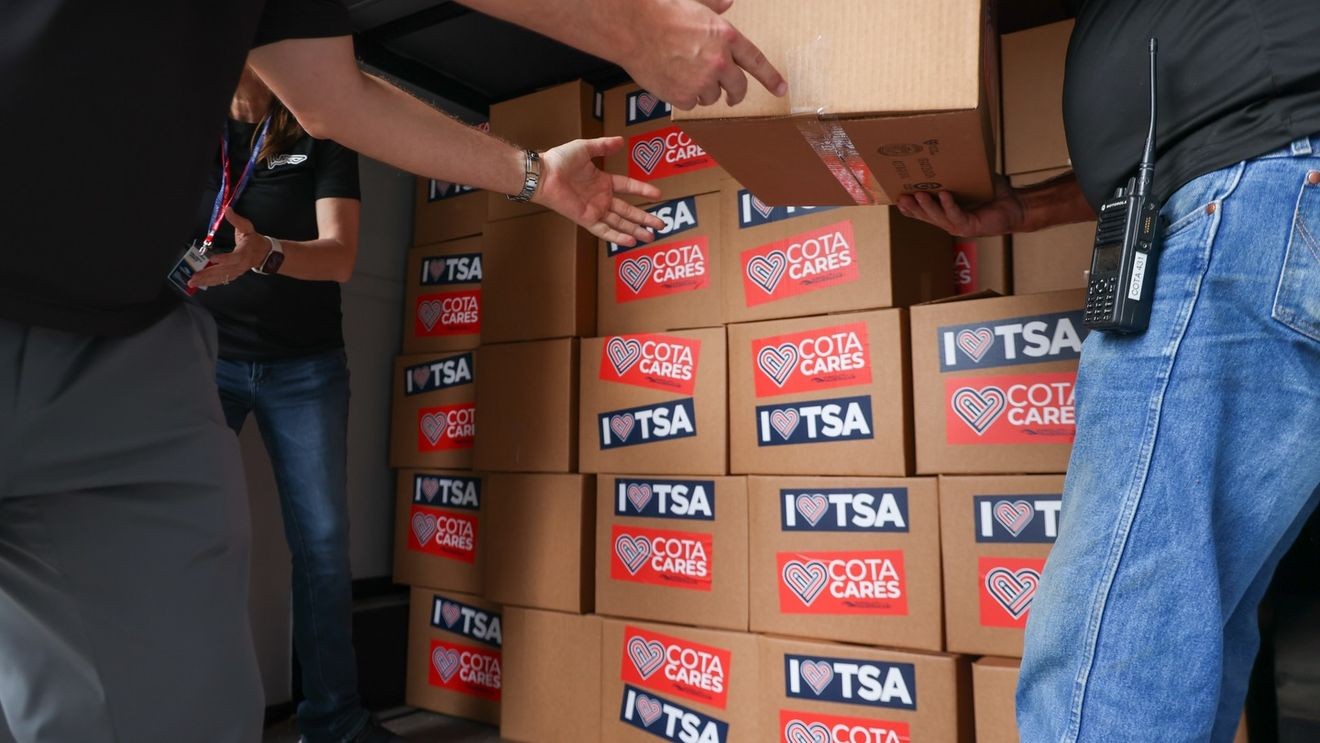
In response to the crisis, local private entities executed strategic interventions that extended beyond simple philanthropy. Circuit of The Americas (COTA), a major entertainment venue, delivered over 400 care packages to ABIA agents. This action, which included gas gift cards, household essentials, and baby supplies, was a direct and targeted response to the immediate financial needs of the unpaid workforce. COTA strategically leveraged the crisis to enhance its brand equity and community presence, offering non-monetary benefits like complimentary access to an upcoming MotoGP event. COTA’s chairman, Bobby Epstein, framed the corporate action as a necessary response to systemic failure, implicitly criticizing the political leadership responsible for the shutdown.
Separately, Texas-based billionaire Elon Musk proposed to pay the TSA workers himself, escalating the scale of private intervention. This offer shifted the focus from local relief to a broader discussion about private wealth influencing government functions. Musk’s proposal raised questions about the long-term structural implications of private capital filling funding gaps. The interventions by both COTA and Musk illustrate a growing trend where private entities step in to mitigate public sector dysfunction, creating a new form of public-private partnership where private capital acts as a safety net for government employees during periods of political paralysis.
Political Drivers and Systemic Dysfunction
The operational crisis at ABIA was not a technical failure but a direct consequence of a political dispute over federal funding. The Department of Homeland Security remained unfunded because congressional Democrats withheld approval, leveraging the funding lapse to push for immigration enforcement reforms. This reveals how essential services like airport security were weaponized as bargaining chips in a larger policy debate. The political theater surrounding the funding dispute was localized to ABIA, where Rep. Casar confronted Sen. Cornyn over TSA funding. This event underscored how abstract policy decisions directly manifest in local operational environments, forcing political actors to face the real-world impact of their decisions on essential personnel.
This structural dysfunction in federal budgeting creates significant uncertainty for federal agencies and their employees. The reliance on short-term funding measures and the use of shutdowns as a negotiating tactic establish a cycle of instability that undermines operational efficiency and employee morale. The consequences extend beyond immediate delays, potentially impacting long-term recruitment and retention of qualified personnel in critical security roles. The political drivers demonstrate that the issue is not a failure to manage resources, but a deliberate political strategy where systemic instability is tolerated to achieve policy goals.
Long-Term Implications for Governance and Public Trust
The events at ABIA during the shutdown reveal deeper implications for public trust and governance. The necessity of private intervention to support essential government employees highlights a breakdown in the social contract between the state and its workforce. When a government fails to compensate its essential personnel, it damages institutional loyalty and public perception of government reliability. The reliance on corporate and individual philanthropy further reinforces the narrative of government failure, potentially diminishing public reliance on government institutions over time.
The long-term consequence of these events is a potential recalibration of public expectations. As private entities demonstrate a capacity to provide support during government failures, public pressure on elected officials to resolve disputes may decrease. This shift in expectations could lead to increased pressure for privatization of public services or a greater role for private capital in public infrastructure. The documented facts suggest a growing normalization of government shutdowns, where private intervention becomes a predictable response rather than an exceptional event, potentially reducing the incentive for political actors to find sustainable solutions. The incident at ABIA serves as a case study in the operational and strategic implications of political gridlock, challenging traditional models of public service provision.

Photo by Gadini on Pixabay.