The Intersection of Elite Athletics and Global Enterprise
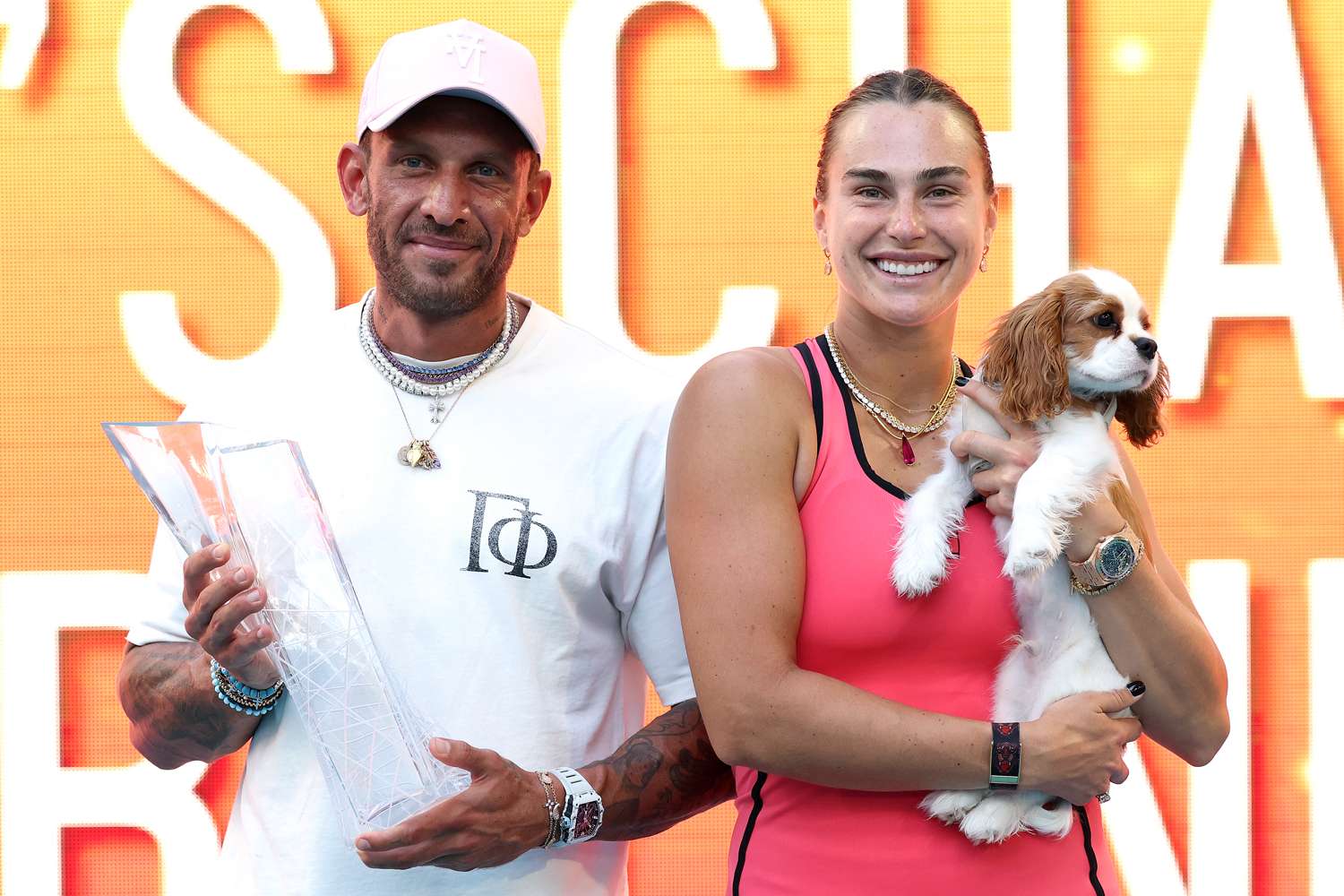
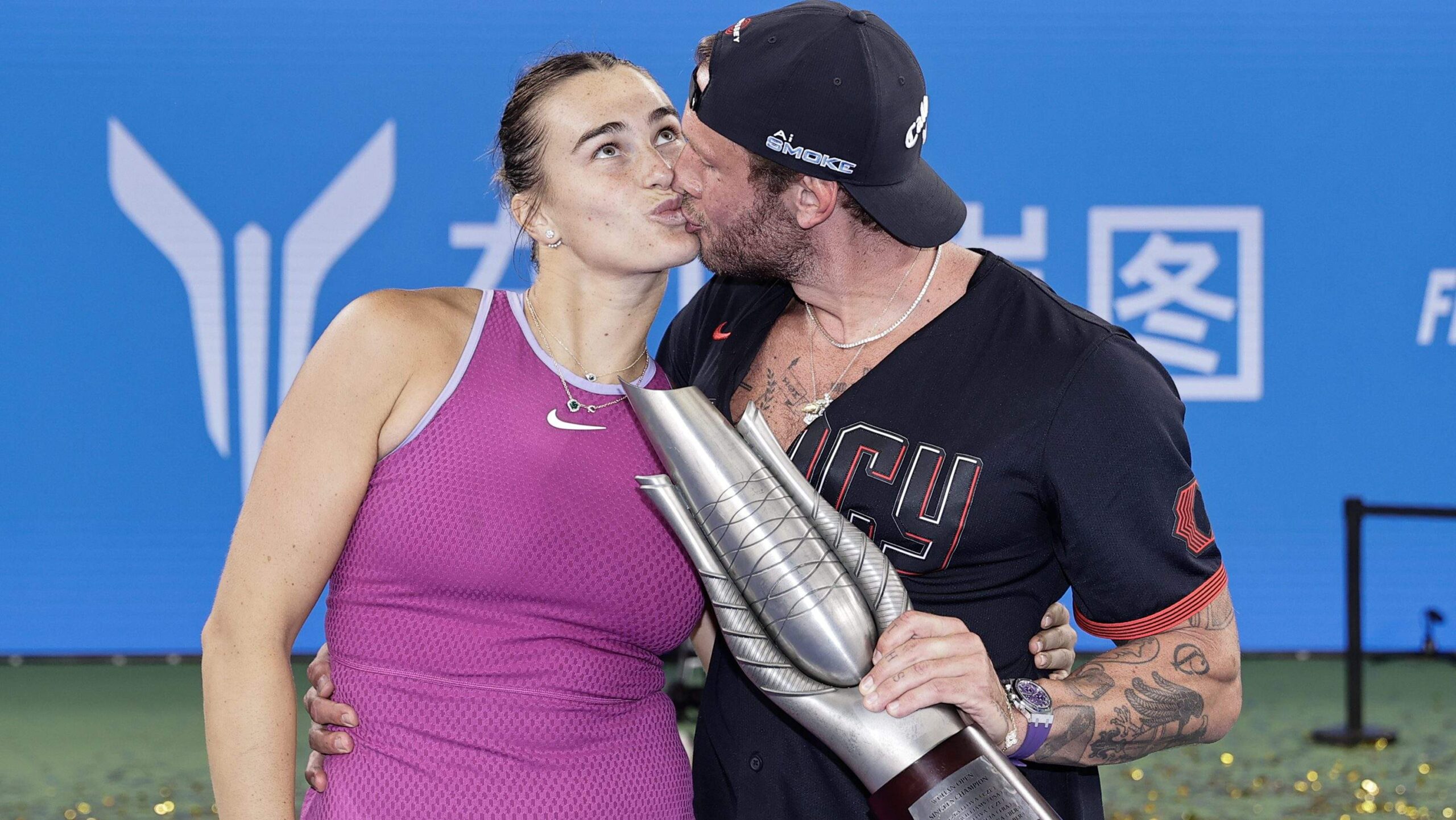
The convergence of elite athletic performance and international business strategy is increasingly defined by high-profile personal partnerships. The public engagement of professional tennis player Aryna Sabalenka and Brazilian entrepreneur Georgios Frangulis highlights this intersection. Such unions place participants at the nexus of sports marketing, brand endorsement value, and high-visibility public scrutiny.
As documented by outlets such as PEOPLE, the couple’s relationship transitioned from a professional collaboration to a personal engagement in March 2026. This trajectory reflects broader patterns in modern sports economics, where athletes function simultaneously as elite competitors and independent commercial entities. Brand alignments frequently evolve into foundational personal networks, reshaping how athletic figures manage their public profiles.
Strategic Foundations of the Oakberry Brand
Georgios Frangulis built his commercial standing through the foundation and expansion of Oakberry, a global açaí brand established in December 2016. Rejecting a conventional career path after studying law at FAAP in São Paulo, Frangulis identified a distinct market gap within the health and superfood sector. His operational strategy relied on rapid international scaling, deploying more than 800 stores across 50 countries.
The structural growth of Oakberry illustrates the mechanics of modern franchising in the fast-casual wellness sector. By identifying consumer demand patterns in both the United States and Latin America, Frangulis transformed a regional retail concept into an international enterprise. This entrepreneurial track record established his independent commercial viability long before his visibility in sports media increased.
Sponsorship Dynamics and Commercial Synergy
The professional relationship between Sabalenka and Frangulis originated through a corporate sponsorship agreement established in early 2024, when the tennis star signed on as an Oakberry brand ambassador. In contemporary sports marketing, ambassador roles function as critical bridge mechanisms between corporate entities and elite athletes. These arrangements align the reputational capital of a top-tier competitor with the growth objectives of an expanding retail brand.
Corporate partnerships involving top athletes generate mutual enterprise value through cross-market visibility. When an ambassador achieves sustained competitive success, such as Sabalenka maintaining deep tournament runs at major international championships, associated brands capture amplified consumer attention. This dynamic illustrates how modern athlete endorsements transcend traditional advertising, embedding commercial stakeholders directly into the competitor’s professional ecosystem.
Competitive Pressures at the 2026 US Open
Sabalenka’s athletic trajectory during the 2026 US Open demonstrates the intense performance pressures characterizing elite professional tennis. Advancing through demanding matches, including a comeback victory against Linda Noskova and securing a position in her sixth consecutive semifinal at Flushing Meadows, requires rigorous psychological endurance. Competitors at this level operate within highly compressed performance windows where past rankings carry immediate operational consequences.
The competitive landscape of professional tennis involves continuous realignment of rankings among top players. While Sabalenka held the World Number One ranking for 99 consecutive weeks before a shift to Elena Rybakina, her stated focus remains on major title accumulation, such as pursuing a rare three-peat at the US Open. Managing these high-stakes athletic demands alongside public personal milestones requires substantial operational resilience.
Institutional Frameworks of Professional Sports and Media
The intersection of high-performance athletics and private entrepreneurial success operates under constant observation by global sports media institutions. Public reporting on personal milestones of prominent competitors functions as a key component of the broader sports entertainment economy. Media organizations systematically document these developments to satisfy continuous public interest in the off-court lives of elite figures.
Ultimately, the alignment between Sabalenka and Frangulis encapsulates the modern institutional reality of professional sports figures navigating complex commercial and personal landscapes. As athletes diversify their economic interests and align with self-made entrepreneurs, traditional boundaries separating athletic competition from private corporate enterprise dissolve, redefining the operational environment for modern sports champions.