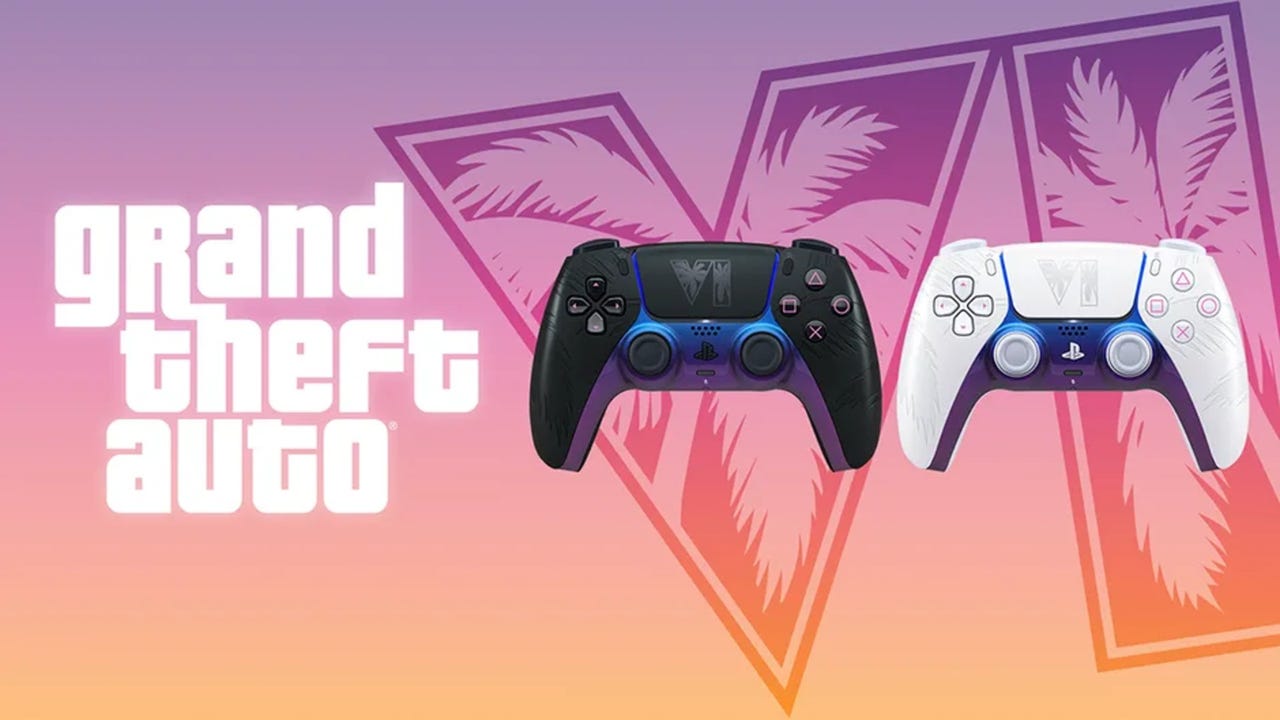
The operational alliance between Sony Interactive Entertainment and Rockstar Games has transitioned into a phase of high-density hardware integration with the unveiling of the Grand Theft Auto VI Limited-Edition DualSense wireless controllers. Revealed during the recent State of Play, this initiative functions as a strategic precursor to the software’s November 19 launch, utilizing physical touchpoints to establish psychological market presence within the fictional state of Leonida months before digital access.
Ecosystem Anchoring and Psychological Priming
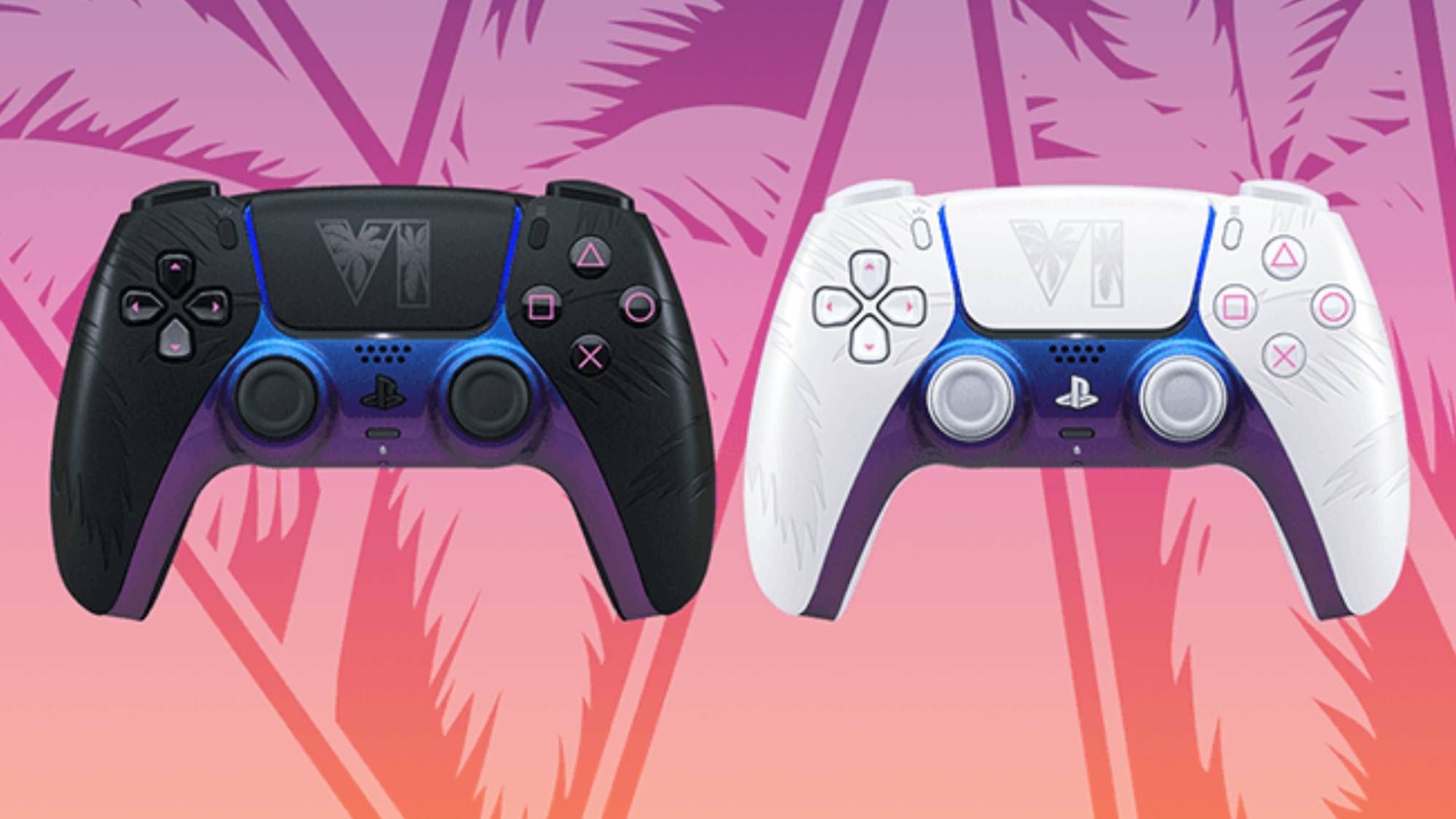
The introduction of the DualSense Black and White Limited Editions transcends mere aesthetic variation. By embedding Vice City’s visual identifiers—including color-shifting finishes that emulate neon-saturated coastal atmospheres—Sony is executing a priming strategy. This move secures early consumer capital and embeds the PlayStation 5 ecosystem as the definitive hardware home for the Rockstar Games catalog, effectively creating a ‘competitive moat’ against rival platforms.
This staggered release model serves a dual purpose: it mitigates the risk of inventory bottlenecks during the primary software launch while generating a consistent revenue stream during the pre-order cycle. By placing branded peripherals in domestic environments early, the hardware acts as a persistent, passive marketing tool, maintaining brand velocity throughout the lead-up to the Leonida release.
Technical Execution and Industrial Value
The manufacturing complexity of these units reflects an investment in premium product differentiation. Unlike standard retail models, these controllers feature custom-molded palm tree textures within the grips and specialized shimmering finishes. Such structural modifications move the product from the category of ‘accessory’ to ‘collectible asset,’ justifying the £74.99 price point and incentivizing multi-unit acquisitions among enthusiasts.
Centralizing the GTA VI branding on the touchpad—the controller’s most visible real estate—ensures maximum brand exposure. This design choice reinforces the collaboration’s exclusivity, making the intellectual property central to the tactile user experience. The dual-color strategy further segments the market, appealing to diverse aesthetic preferences while doubling the potential for collector-grade ‘complete set’ purchases.
Logistics and Direct-to-Consumer Optimization
Market response in the United Kingdom, characterized by immediate sell-outs across Amazon and PlayStation Direct, validates the high demand-to-supply ratio inherent to the Rockstar IP. Sony’s decision to limit the Black Edition to its PlayStation Direct storefront is a calculated push toward a Direct-to-Consumer (DTC) model. This allows Sony to bypass retail intermediaries, capture higher margins, and harvest valuable first-party consumer data during high-traffic queue events.
The global rollout, moving from the UK to North America, demonstrates a synchronized distribution framework. By monitoring real-time server loads and inventory depletion, Sony can recalibrate its logistics to meet regional demand surges. This operational agility is critical for maintaining market momentum and preventing the loss of consumer interest to secondary market scalpers who thrive on supply scarcity.
Economic Projections and Secondary Market Influence
The rapid movement of liquidity into these peripherals serves as a bellwether for the software launch. Consumer willingness to commit financial resources nearly a year in advance suggests a robust economic outlook for the GTA VI era. Furthermore, the limited production run and DTC exclusivity are expected to drive significant appreciation in the secondary market, reinforcing the perception of PlayStation hardware as a high-value investment.
Ultimately, this collaboration sets a new industry standard for synergistic launches. As digital distribution becomes the norm, high-quality physical artifacts like the GTA VI DualSense remain essential for maintaining a tangible connection between the consumer and the brand. Sony and Rockstar have successfully leveraged industrial design to turn a peripheral into a pivotal moment in gaming history.