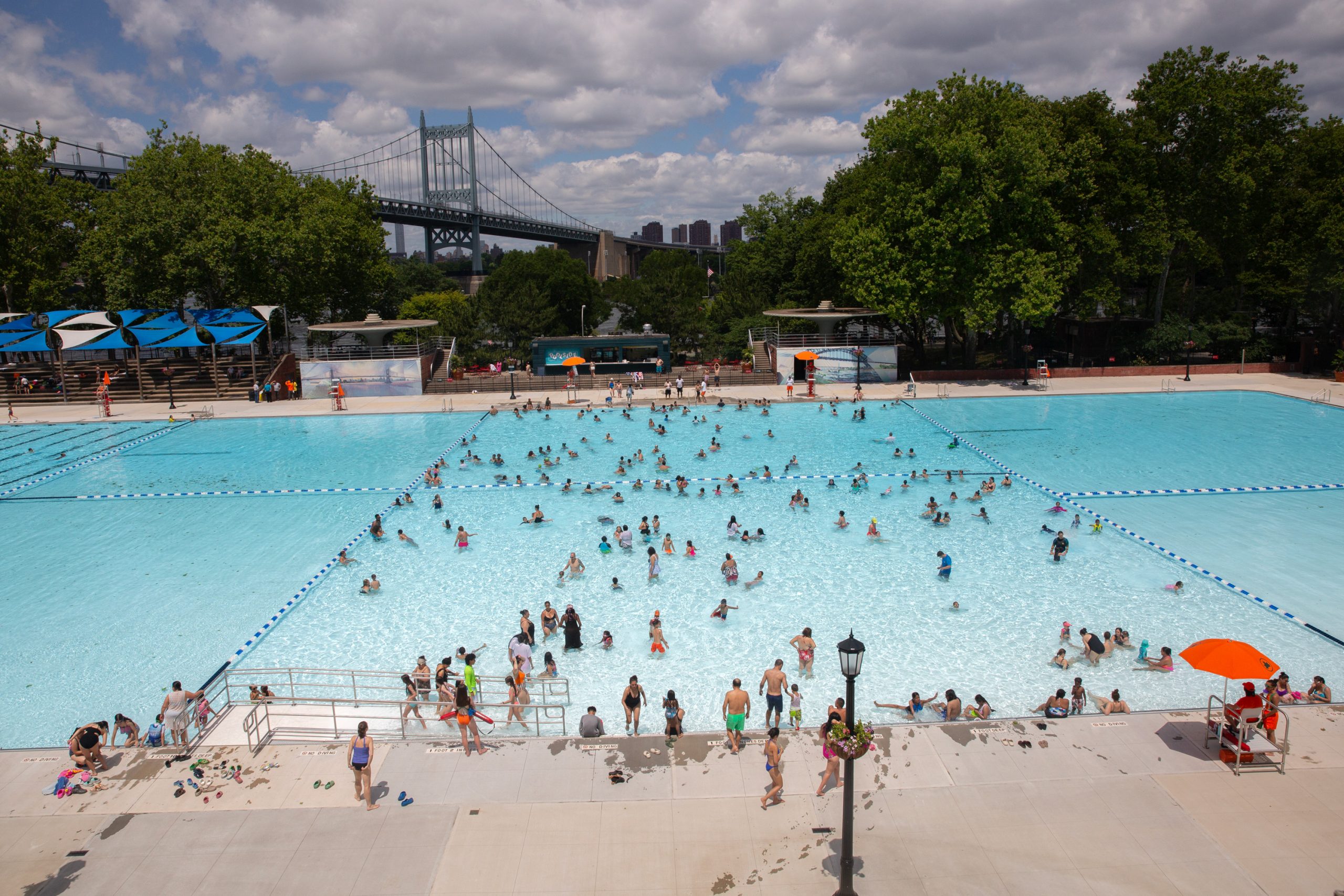
The activation of New York City’s outdoor aquatic network for the 2026 season represents a sophisticated intersection of municipal logistics and long-term capital asset management. Tasked with overseeing 53 facilities, the Department of Parks and Recreation must navigate a bifurcated portfolio: maintaining Depression-era legacy structures while integrating state-of-the-art recreational centers. This rollout serves as a critical barometer for the city’s operational capacity to mitigate urban heat island effects and ensure social stability during peak thermal cycles.
Asset Lifecycle and Infrastructure Resilience
The 2026 season underscores the fiscal and technical challenges of sustaining Olympic-sized pools from the 1930s. While these sites are essential for high-capacity throughput in dense urban corridors, they impose heavy maintenance burdens due to hydraulic degradation and structural fatigue. Conversely, newer assets like Central Park’s Gottesman Pool and East Flatbush’s Shirley Chisholm Recreation Center represent a pivot toward sustainable, high-efficiency design. The Shirley Chisholm facility, offering year-round utility, exemplifies a move toward multi-functional infrastructure that optimizes taxpayer ROI beyond seasonal use.
The restoration of the Red Hook facility provides a primary case study in the risks of deferred maintenance. After an extended closure caused by a catastrophic pipe failure, its return to service highlights the systemic vulnerability of aging public works. Such incidents demonstrate that a single component failure in legacy systems can result in the total loss of community assets for an entire fiscal cycle, necessitating a more proactive capital reinvestment strategy.
Operational Mandates and Public Health
Daily operations (11 a.m. to 7 p.m.) are governed by precise sanitary protocols and labor distribution. The mandatory cleaning hiatus from 3 p.m. to 4 p.m. is a strategic pause essential for chemical rebalancing—a vital measure for mitigating health risks in a system that accommodated over 1 million visitors annually. Furthermore, extending the season to September 13 aligns municipal services with shifting climate patterns, positioning these pools as essential cooling centers for vulnerable populations during peak heat index periods.
Enhanced transparency via the July 2 timeline update indicates a shift toward data-driven management. By providing real-time operational status, the department can better distribute visitor density, alleviating pressure on high-profile sites like Thomas Jefferson Pool and redirecting utilization toward under-leveraged facilities in the outer boroughs.
Socio-Economic Equity and Executive Leadership
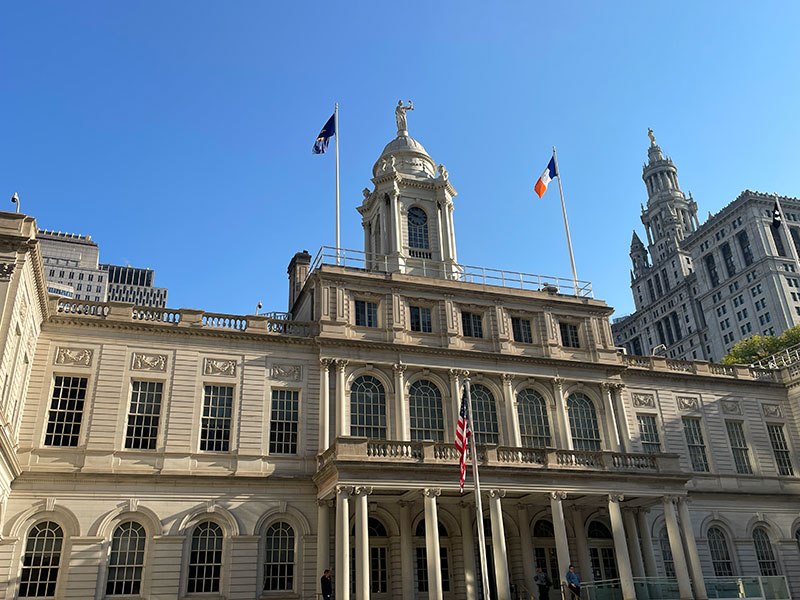
Mayor Zohran Mamdani’s symbolic opening at Thomas Jefferson Pool serves as a performance of executive confidence in municipal public works. This engagement is intended to bolster institutional trust regarding the safety and accessibility of public spaces. Strategically prioritizing East Harlem and Queens’ Roy Wilkins Park for major renovations and seasonal kickoffs signals a commitment to geographic equity, ensuring that capital investments are leveraged to support historically underserved neighborhoods.
Economically, the free-access model functions as a direct urban subsidy. By removing financial barriers, the city maximizes the social utility of its assets while driving secondary economic growth; the high foot traffic generated by these facilities supports local commercial corridors. The 2026 season will provide critical data for evaluating the fiscal sustainability of this model, balancing operational overhead against the long-term public health benefits of a robust, accessible aquatic network.