NCAA Calendar Realignment: Strategic Implications for the FBS Landscape
The NCAA FBS Oversight Committee has instituted a transformative structural adjustment to the collegiate football calendar, advancing the season’s official commencement by one week effective 2027. This mandate eliminates the fragmented ‘Week Zero’ model in favor of a consolidated, earlier opening prior to Labor Day. This shift is not merely a scheduling update but a strategic recalibration of the sport’s operational and media-rights framework.
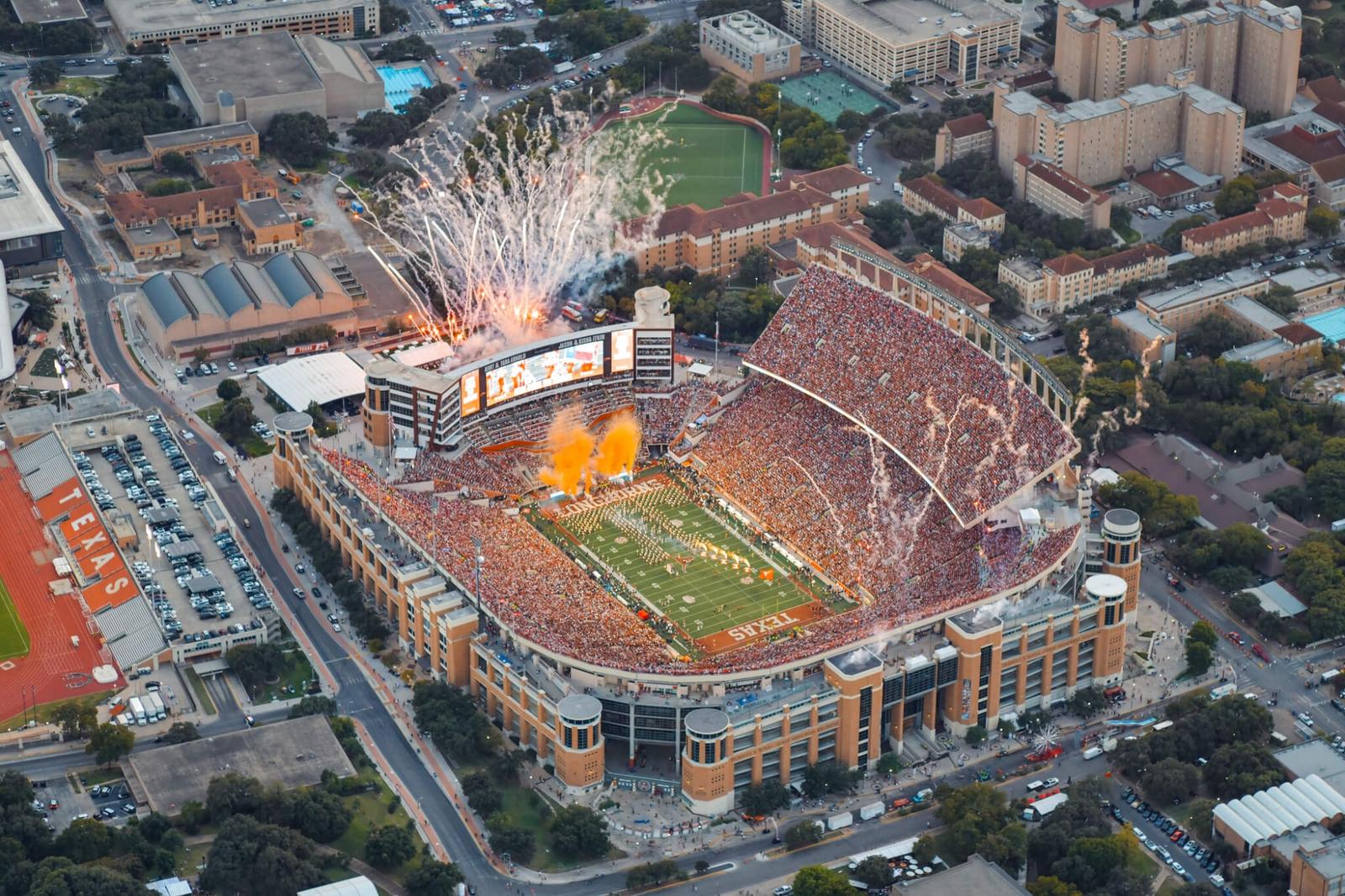
The directive necessitates a complex logistical choreography for high-profile athletic departments. For instance, the University of Texas at Austin has confirmed four home-game adjustments across the 2027 and 2028 seasons to maintain alignment with the new national framework. Such movements underscore the sensitivity of institutional long-term planning to governing body mandates.
Logistical Case Study: The Texas-Michigan Series
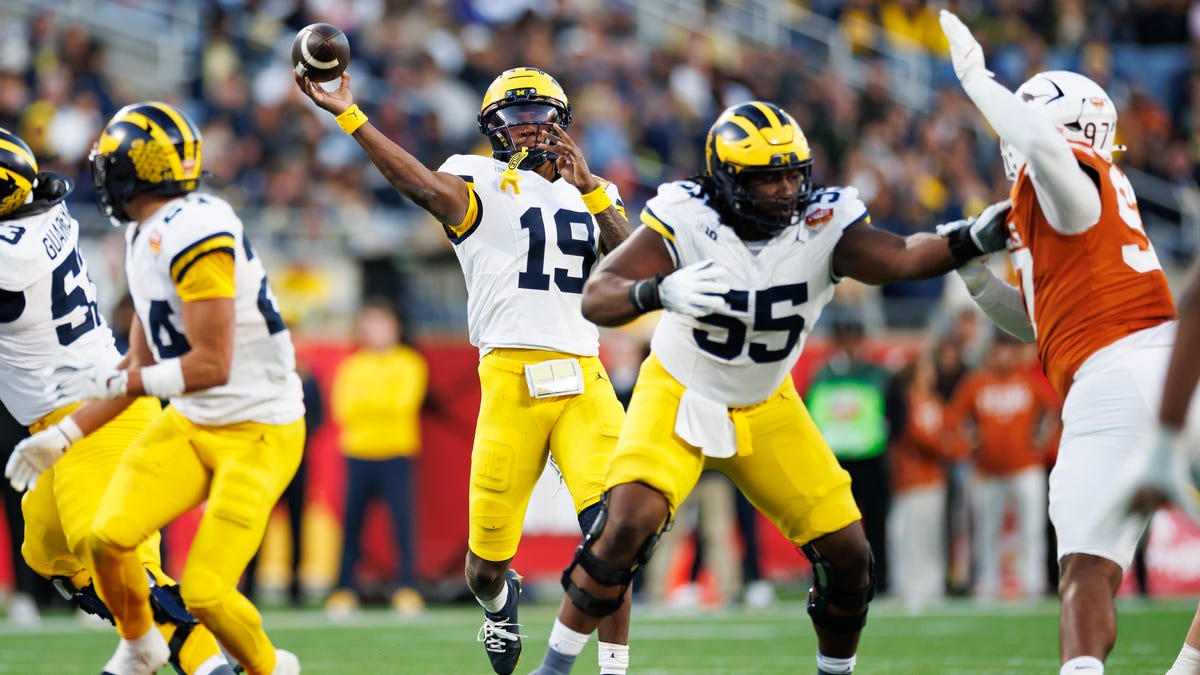
The marquee home-and-home series between the University of Texas and the University of Michigan serves as a primary example of this disruption. Originally scheduled for September 11, 2027, the Longhorns’ visit to Ann Arbor has been moved to September 4, 2027. Consequently, Michigan’s opener against Buffalo is now set for August 28, 2027, to accommodate the early-season non-conference window.
These shifts trigger a cascading effect on secondary matchups. Texas has advanced its 2027 contests against New Mexico State (August 28) and UTEP (September 11), alongside its 2028 opener against Louisiana Tech (August 26). These adjustments are critical for protecting the revenue potential and national exposure associated with non-conference ‘buy games’ and marquee matchups.
Media Strategy and Competitive Density
The strategic impetus behind the unified start date is the optimization of broadcasting inventory. By front-loading the season, the NCAA aims to capture higher early-season viewership before the professional football season saturates the market. However, this compression imposes rigorous demands on program preparation. Coaching staffs must now achieve scheme proficiency and player conditioning within a shortened fall camp window, potentially disadvantaging programs with complex systems or high roster turnover.
Furthermore, the 2027 recalibration creates a unique scheduling anomaly for Michigan: a season featuring two bye weeks. While providing recovery opportunities, this structure complicates the rhythm of competitive flow, requiring precise management of physical peaking for late-season conference play. This move signals a broader trend toward prioritizing media-driven standardization over traditional calendar markers.
Institutional Power and the Future of FBS Scheduling
This top-down intervention highlights the significant leverage the NCAA exerts over even the most powerful programs. Athletic departments are now forced to treat scheduling as a fluid variable, subject to the evolving priorities of television networks and national governing bodies. As media consumption habits shift toward earlier engagement, the college football ecosystem must continue to adapt its operational, academic, and recruitment cycles to a condensed and increasingly commercialized timeline.