Institutional Momentum and the 2026 Season Opener
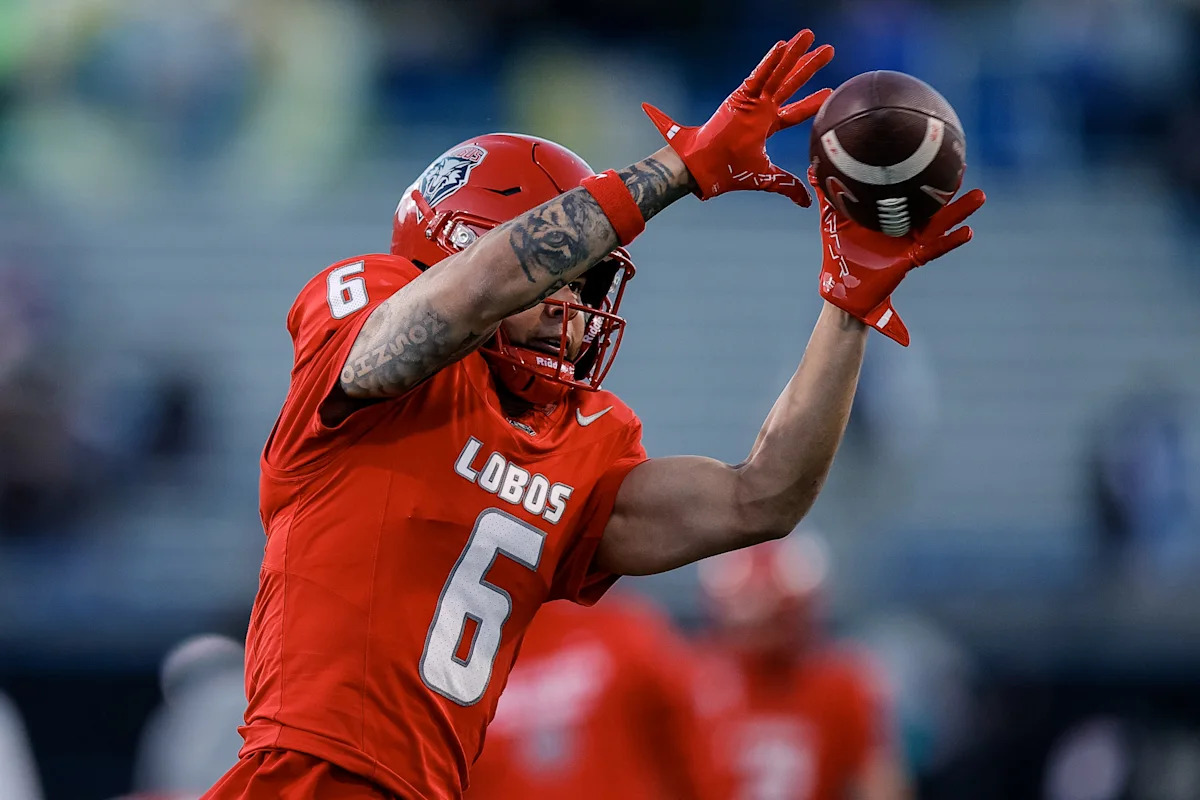
The 2026 season opener at University Stadium presents a critical juncture for the New Mexico Lobos as they host the Central Michigan Chippewas. Following a 9-4 finish, their most successful campaign in over four decades, the Lobos face the challenge of sustaining elite performance within a shifting collegiate landscape. This inaugural meeting between the programs serves as a barometer for the competitive health of the Mountain West and Mid-American conferences.
The matchup’s placement on FS1 underscores the increasing commercial value of late-night broadcast windows for Group of Five programs. A 10:00 PM ET kickoff grants both institutions essential national linear television exposure for recruiting leverage and donor engagement. This visibility is vital for New Mexico as it aims to solidify its standing as a premier contender in the reorganized Mountain West Conference.
Strategic Volatility in the Quarterback Room
New Mexico’s operational outlook shifted significantly with starting quarterback Jack Layne’s season-ending elbow surgery. This injury forces a transition from a proven starter to a multi-quarterback system, introducing tactical unpredictability for the Central Michigan defense. The competition between senior James Laubstein, Oregon transfer Luke Moga, and Toa Fa’avae suggests a diversified offensive approach designed to mitigate Layne’s 2,486 passing yards from the previous season.
Central Michigan’s defensive preparation must account for the distinct athletic profiles of these three candidates, complicating schematic alignment. Utilizing multiple quarterbacks often signals a strategy to leverage specific situational strengths, such as Moga’s Power Five pedigree or Fa’avae’s mobility. This lack of a singular focal point in the passing game may compel the Chippewas to adopt a more conservative, reactive defensive posture.
Statistical Divergence and Red Zone Efficiency
A primary driver of the competitive spread is the stark contrast in ball security and situational execution. Central Michigan enters the 2026 season having established a high-efficiency benchmark in the red zone, converting at a 71.4% rate previously. This ability to maximize scoring opportunities inside the 20-yard line provides a structural advantage in high-leverage possessions.
Conversely, New Mexico’s historical struggle with ball security remains a significant institutional liability. The Lobos recorded the fourth-most lost fumbles in the FBS last season, a metric directly correlating with suppressed win probability and defensive fatigue. Central Michigan’s defensive strategy will likely prioritize aggressive pursuit and strip-drills to exploit this recurring technical flaw.
Defensive Leadership and Linebacker Impact
The New Mexico defense, led by linebacker Jaxton Eck, remains the program’s most stable asset amidst offensive transition. Eck’s role as defensive signal-caller is essential for maintaining structural integrity against a Central Michigan offense capable of competing against high-level opponents like Pittsburgh. The Lobos’ defensive unit must provide a margin for error as the offense acclimates to its new quarterback rotation.
For Central Michigan, the challenge lies in neutralizing Eck’s ability to disrupt the run game and close passing lanes. If the Chippewas can successfully isolate Eck through creative blocking schemes, they may find opportunities to replicate their high red zone completion rates. The tactical battle between New Mexico’s defensive front and Central Michigan’s offensive line will likely dictate the game’s tempo.
Market Positioning and Betting Implications
The opening line of New Mexico as a 10.5-point favorite reflects market confidence in the Lobos’ home-field advantage and defensive depth. However, the total set at 47.5 suggests an expectation of a controlled, potentially lower-scoring affair influenced by quarterback changes. Professional bettors are likely weighing Layne’s absence against the historical turnover data that has plagued New Mexico.
The 10.5-point spread also accounts for Central Michigan’s logistical challenges in a true road environment at University Stadium. Traveling to Albuquerque presents environmental factors, including altitude and a hostile atmosphere, that can exacerbate communication issues for an offense. These variables often lead to increased volatility in early-season openers.
Conference Hierarchy and Long-term Consequences
This matchup carries significant weight for the Mountain West Conference hierarchy, where New Mexico is projected to challenge UNLV for the top position. A decisive victory would validate the Lobos’ 9-4 trajectory and demonstrate institutional resilience amidst key personnel losses. Conversely, a struggle or upset loss would raise questions about the sustainability of their recent success and their ability to navigate the reorganized conference schedule.
For Central Michigan, the game represents an opportunity for a signature non-conference win that could bolster the MAC’s national profile. Success in Albuquerque would signal readiness to contend for their conference title by leveraging red zone efficiency against high-caliber defensive units. The downstream effects on bowl eligibility and conference seeding elevate this game beyond a simple exhibition.
Media Rights and the FS1 Broadcast Strategy
FS1’s selection of this game highlights the strategic importance of the Mountain West’s media partnership with FOX Sports. Placing this game in a standalone late-night window maximizes network inventory and captures a dedicated audience. This broadcast slot provides a platform for individual players, like Jaxton Eck and Luke Moga, to build national profiles early in the season.
The production team, featuring Carlo Jimenez and Petros Papadakis, brings a specific analytical style emphasizing the technical nuances of Group of Five football. The absence of a sideline reporter suggests a streamlined production focused on booth tactical observations. This media environment places additional pressure on coaching staffs to deliver a clean, professional product for a national audience.
Operational Readiness and Season Preparation
The transition from fall camp to the season opener is defined by operational readiness and the elimination of ‘week one’ errors. For New Mexico, this means synchronizing the quarterback rotation with the offensive line to prevent fumbles. Central Michigan must focus on maintaining high red zone standards despite typical new-season personnel changes.
Coaching staffs’ ability to manage the demands of an 8:10 PM MT kickoff is a subtle but important factor. Late-night starts require specific physiological preparation for peak performance. The team managing this schedule more effectively will likely have a conditioning advantage in the fourth quarter.
Conclusion of Strategic Factors
The intersection of New Mexico’s historic momentum and Central Michigan’s situational efficiency creates a complex competitive landscape. While the Lobos possess defensive talent and home-field advantage to justify favorite status, quarterback instability remains a high-risk variable. Central Michigan’s path to an upset hinges on exploiting turnovers and maintaining elite scoring zone efficiency.
The outcome will provide the first definitive data points on how these programs have adapted to modern roster management and conference realignment. Stakes extend beyond the win-loss column, impacting institutional prestige, media value, and program trajectories. As the first-ever meeting, it sets a historical precedent for future scheduling and cross-conference competition.