Institutionalization of Bi-Annual Transmission Dynamics
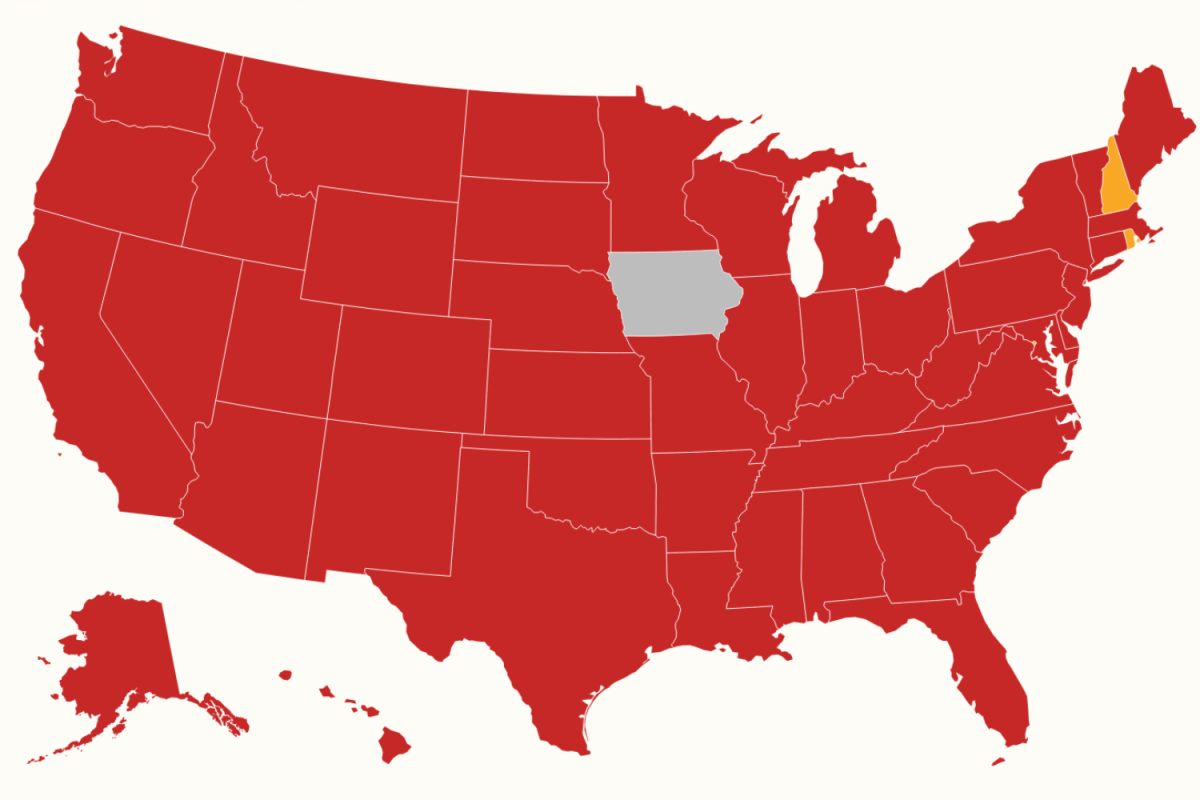
The escalation of SARS-CoV-2 transmission across the United States establishes a structural transition from irregular epidemic shocks to a predictable, bi-annual seasonal trajectory. Data from the Centers for Disease Control and Prevention (CDC) indicates that as of mid-August, viral transmission is growing or likely growing across 47 states. This widespread expansion cements an operational baseline where a mid-to-late summer wave consistently precedes the late-autumn respiratory pathogen season, fundamentally compressing the inter-peak recovery window for healthcare systems.
While aggregate national viral activity remains categorized as low, transmission velocity—particularly across the South and West—demonstrates sustained pathogen fitness. For healthcare executives, clinical directors, and supply chain strategists, this bi-annual cadence mandates a permanent restructuring of operational capacity, pivoting from ad-hoc surge management to continuous, dual-peak resource allocation.
Regional Vectors and Predictive Epidemic Modeling
Transmission metrics in southern and western jurisdictions, notably Florida, Texas, and Georgia, serve as leading indicators for national trajectory modeling. Historical data shows these regions consistently act as the primary engine for mid-year acceleration, offering healthcare networks in northern and eastern states a critical multi-week forecasting window to adjust diagnostic inventory and staffing models.
CDC epidemic models illustrate rapid geographic saturation: estimated transmission expansion escalated from 37 states on July 22 to 50 states and the District of Columbia by August 12, with Iowa representing the sole exception due to state-level reporting constraints. The rapid contraction of stable jurisdictions over a three-week interval underscores the speed at which viral momentum can overwhelm static operational assumptions.
Metric Inflection: The Three Percent Positivity Threshold
A pivotal surveillance benchmark was reached during the week ending August 8, when national test positivity crossed the 3% threshold for the first time since March. Although modest relative to historical peaks, this inflection point functions as a critical demand indicator for clinical laboratories and pharmaceutical supply chains.
Because SARS-CoV-2 is accelerating while influenza and respiratory syncytial virus (RSV) remain near baseline activity, the healthcare sector faces an isolated, single-pathogen operational stressor. This dynamic creates distinct clinical advantages for targeted therapeutic intervention, yet simultaneously challenges outpatient diagnostic protocols tasked with differentiating early-stage SARS-CoV-2 from benign summer viral illnesses.
Surveillance Vulnerabilities and Reporting Infrastructure
Data limitations—such as the reporting gaps that prevented transmission modeling in Iowa—highlight structural vulnerabilities in decentralized epidemiological monitoring. Inconsistent state-level reporting delays federal resource allocation and degrades predictive modeling fidelity, shifting the burden onto probabilistic frameworks.
Furthermore, early-summer prioritization of non-respiratory public health risks inadvertently lowered clinical awareness of respiratory transmission. Maintaining high-resolution, multi-pathogen surveillance infrastructure throughout historical low-activity windows is critical to avoid lagged operational responses to sudden transmission waves.
Workforce Capacity, Clinical Triage, and Hospital Flow
The establishment of an August surge advances the operational onset of respiratory illness demand, reducing the off-peak intervals traditionally utilized for clinical training, system optimizations, and workforce replenishment. Prolonged operational intensity elevates the risk of clinician attrition and challenges nurse-to-patient staffing ratios.
In acute care and emergency departments, mid-year surges necessitate heightened diagnostic vigilance. Triage protocols must routinely incorporate rapid antigen and molecular testing in the absence of traditional winter syndromic markers, mitigating the risk of nosocomial transmission and optimizing inpatient bed allocation.
Public Health Strategy and Long-Term Structural Adaptation
Public health messaging is transitioning from acute emergency posture to normalized seasonal awareness, framing late summer as a fixed component of the annual viral risk profile. Communicating the strategic significance of a low-activity metric that exhibits rapid growth velocity remains critical for commercial sectors, including enterprise labor planning and hospitality management.
Ultimately, managing endemic SARS-CoV-2 requires moving beyond intermittent crisis financing to sustainable, year-round operational models. Regional resilience will increasingly correlate with surveillance density, automated supply chain triggers, and flexible clinical staffing capable of navigating dual-peak annual cycles.