Structural Crisis and Institutional Resilience
The Matchday 2 fixture at San Mamés transcends early-season positioning, serving as a diagnostic for two clubs in structural flux. Athletic Bilbao enters the contest grappling with a four-match winless trajectory, punctuated by a 0-1 loss to Valencia and a 1-1 draw with Celta de Vigo. This erosion of home-field dominance—traditionally their primary competitive lever—places significant pressure on Ernesto Valverde to recalibrate his tactical output before internal institutional pressure mount.
Conversely, Sevilla FC arrives with momentum from a 2-1 victory over Rayo Vallecano but remains haunted by road-win stagnation. With only one victory in their previous seven away fixtures (a 3-2 result at Villarreal in May 2026), Sevilla must reconcile their domestic resurgence with their systemic inability to secure points in hostile environments like Bilbao.
Tactical Schematics: Defensive Buffering and Verticality
Sevilla’s defensive unit undergoes a forced reconfiguration following Kike Salas’s suspension. The insertion of A. Castrín into a backline featuring Odysseas, Iglesias, Sangante, and Suazo signals a shift toward a low-block containment strategy designed to absorb Athletic’s high-intensity verticality. This arrangement aims to minimize the impact of Salas’s absence by emphasizing collective structural solidity over individual ball-winning.
In the final third, the first start for Robbie Ure alongside Peque Fernández and Oso represents a move toward mobility. By opting for technical interplay over a traditional target-man focal point, Sevilla intends to exploit the transitional gaps inherent in Athletic’s aggressive pressing system.
Academy Centricity vs. Performance Stagnation
Athletic’s response to their performance bottleneck is the accelerated integration of academy talent. The debut of Gerenabarrena and the continued reliance on Canales underscore a strategic pivot: using youth energy to disrupt tactical stagnation. This high-variance approach places a heavy burden on the veteran core to provide structural cover while the newcomers navigate the physical threshold of a top-tier clash.
Officiating Analytics and Historical Corridors
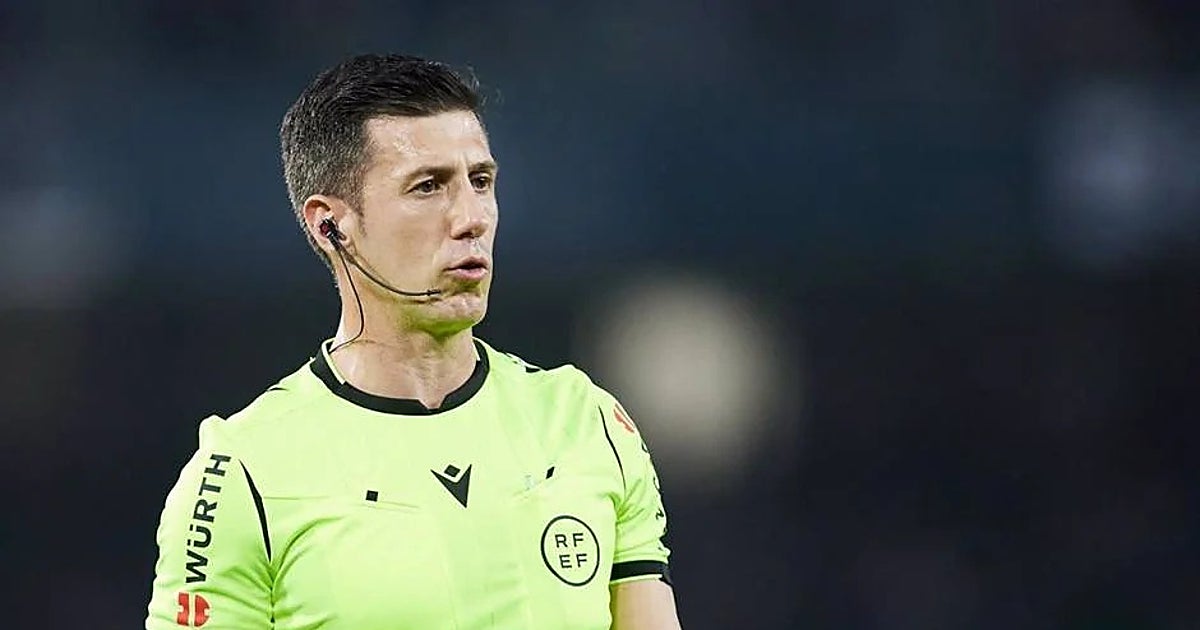
César Soto Grado’s appointment as head official introduces a statistical headwind for the visitors. Despite his international pedigree, Sevilla suffered consecutive defeats under his supervision last season (1-2 vs. Villarreal; 4-1 vs. Mallorca). Combined with Valentín Pizarro Gómez in the VAR booth, the match management will likely focus on high-threshold physical play, potentially disadvantageous for a Sevilla side forced into defensive rotation.
Historical trends between 2024 and 2026 show a narrowing gap in head-to-head performance. While Athletic dominated the 2025 calendar, Sevilla’s 2-1 victory at San Mamés in January 2026 proved that the stadium’s psychological advantage is no longer absolute. This match acts as a tie-breaker for their recent cycle of competitive parity.
Market Positioning and Stakeholder Impact
The outcome carries significant implications for market valuation and stakeholder confidence. For Athletic, a failure to win would confirm a home-form crisis, potentially affecting commercial prestige and fan engagement. For Sevilla, a successful road expedition would validate their current sporting project, providing the stability necessary for a lucrative European qualification push. Individual performances from debutants like Ure and Gerenabarrena will be scrutinized as indicators of the long-term ROI of their respective club philosophies.