Federal Operation Triggers Widespread Disruption in Michoacán
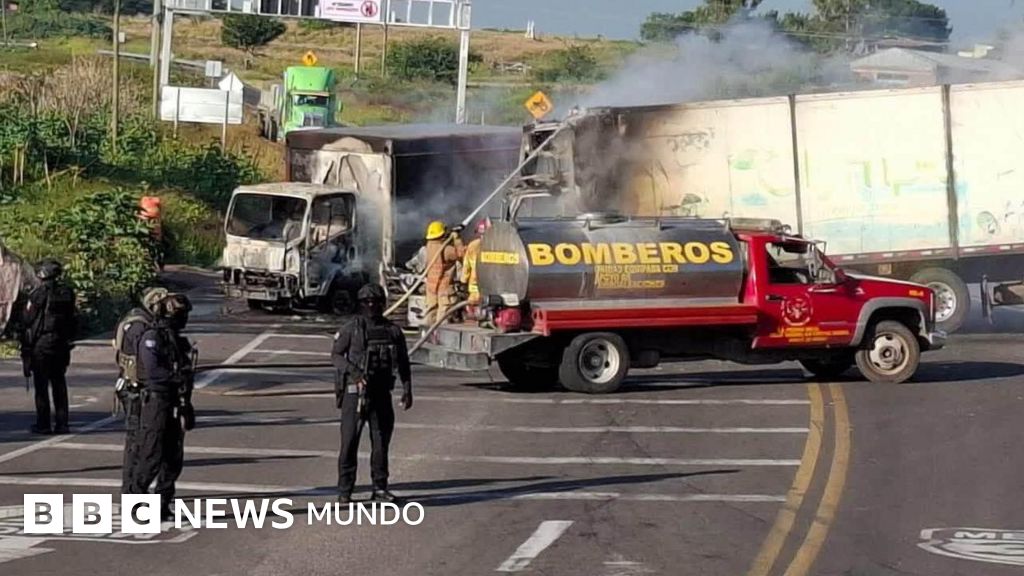
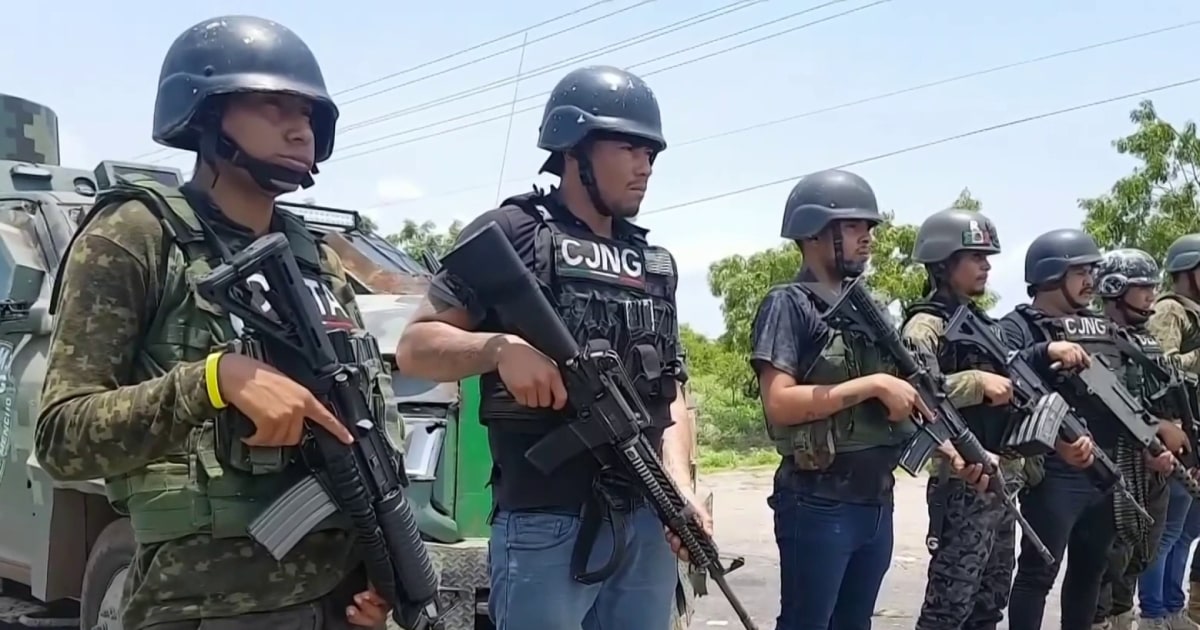
On August 19, 2026, a targeted federal security operation in Michoacán, Mexico, apprehended nine individuals, including the partner and a daughter of alleged CJNG cell leader Heraclio Guerrero Martínez (‘Tío Lako’). While ‘Tío Lako’ remains at large, the arrests, confirmed by the Mexican Army, swiftly triggered a violent, widespread retaliatory response: at least 24 road blockades and the burning of commercial vehicles across three pivotal agricultural municipalities. This immediate escalation underscores the Cártel Jalisco Nueva Generación’s (CJNG) operational capacity and its strategic dominance in the region.
Strategic Arrests and Asset Seizures Underscore Federal Intent
Beyond personnel, the operation strategically targeted the CJNG’s logistical and financial infrastructure, seizing a significant cache of weapons, explosives, over 60 vehicles, and various properties. This comprehensive approach reflects a federal intent to dismantle the criminal cell’s operational capacity, not just apprehend individuals. The calculated tactic of arresting high-value leader ‘Tío Lako’s’ family members further aimed to exert pressure on the organization’s command structure, disrupting leadership continuity and fostering internal instability within the cartel hierarchy.
Narcobloqueos: A Calculated Response to State Pressure
The CJNG’s immediate deployment of “narcobloqueos”—road blockades involving the forceful seizure and incineration of commercial vehicles—constitutes a direct challenge to state authority. This established tactic aims to paralyze critical infrastructure, instill public fear, and divert security resources, thereby creating operational space for the organization. Strategically targeting main arteries connecting cities like Morelia, Zamora, and La Piedad, alongside segments of the Autopista de Occidente (a vital economic corridor linking Mexico City and Guadalajara), these blockades maximized disruption to commerce and daily life, amplifying the criminal response’s perceived impact.
Michoacán’s Economic Significance and Vulnerability
Michoacán, a global leader in avocado production and a major contributor of strawberries, corn, and tomatoes, anchors Mexico’s agricultural economy. This immense output positions the state as a critical node in national and international food supply chains, making its stability paramount for market continuity. The high economic value of these commodities, especially avocados, inherently makes Michoacán a perennial target for criminal organizations seeking control over lucrative extortion rackets. This vulnerability transforms agricultural production into a strategic asset for criminal groups, allowing them to leverage legitimate economic activity for illicit gains and operational funding, directly impacting the integrity of global food markets.
Disruption to Supply Chains and Market Dynamics
These violent blockades directly impede the movement of agricultural products, from farm to processing and export markets. Such disruptions translate into significant economic losses for farmers due to spoilage, delayed deliveries, and unmet contractual obligations, destabilizing local economies. Beyond immediate financial impacts, prolonged instability can trigger domestic and international commodity price volatility, particularly for high-demand exports like avocados. This uncertainty raises critical concerns among international buyers regarding supply reliability and security, potentially prompting a strategic diversification of sourcing away from Michoacán.
Strategic Implications for Criminal Dominance and State Control
The CJNG’s swift and aggressive response unequivocally signals its operational prowess and unwavering resolve to maintain territorial control and influence in Michoacán, a strategic stronghold. These displays of force aim to project power, intimidate rival groups, and assert resilience against federal intervention, thereby reinforcing its perceived dominance. These events highlight the persistent struggle for effective governance and control over economically vital territories between state forces and organized crime. The capacity of criminal groups to orchestrate immediate, widespread disruption after federal operations fundamentally challenges the state’s monopoly on force and its ability to ensure public order and economic stability.
Governmental Response and the Broader Security Strategy
President Claudia Sheinbaum’s confirmation of the violence as a direct response to a federal operation indicates high-level governmental awareness and coordinated engagement. The rapid deployment of the National Guard, Army, and state police to clear blockades signifies a multi-agency effort to restore order and reassert state authority. While this federal response aligns with a broader national security framework targeting key figures and networks, the immediate and severe backlash highlights the complex challenge: tactical successes often trigger significant, destabilizing operational counter-responses from criminal organizations.
Institutional Challenges and the Erosion of Public Trust
The recurring “narcobloqueos” and violent incidents in Michoacán underscore persistent institutional challenges in establishing enduring security and the rule of law. Despite successive federal interventions, criminal organizations maintain the capacity to disrupt public life and economic activity, steadily eroding public confidence in state institutions. The widespread ‘pánico’ reported among residents reflects the profound impact on social stability and daily existence. Communities are forced to adapt to an environment where criminal actors exert tangible influence over personal safety and economic opportunities, normalizing insecurity.
Risk Assessment for Investment and Economic Development
Sustained instability in Michoacán poses a significant risk factor for both domestic and international investors, particularly in agriculture, logistics, and infrastructure. The unpredictable nature of criminal retaliations introduces severe operational uncertainties, deterring new investments and complicating existing business operations. Companies within affected supply chains must consistently assess security exposures, potentially incurring higher costs for enhanced security, insurance premiums, or alternative logistical solutions. This dynamic ultimately prompts a re-evaluation of regional investment strategies, potentially diverting capital to perceived safer, albeit less agriculturally productive, areas.
Competitive Dynamics Within Mexico’s Criminal Landscape
The federal operation against the CJNG in Michoacán and its violent aftermath carry broader implications for Mexico’s organized crime landscape. A perceived weakening or strategic misstep by the CJNG could invite incursions from rival groups vying for influence and control over lucrative territories and illicit markets. Conversely, the CJNG’s aggressive counter-response, though disruptive, powerfully demonstrates its enduring power and fierce commitment to defending its interests. This complex interplay of federal pressure and criminal resilience fuels a fluid, often violent, competitive environment among cartels, significantly impacting regional security dynamics.
Long-Term Strategic Outlook for Federal Anti-Crime Efforts
Michoacán’s recent events underscore the enduring strategic challenge for Mexican federal authorities: how to dismantle powerful criminal organizations without unleashing widespread destabilization. The cyclical pattern of operations and retaliatory violence suggests that a purely tactical approach offers only temporary successes, failing to achieve lasting structural change. A viable long-term strategy must integrate sustained security presence with robust institutional development, economic diversification, and social programs. This holistic approach is essential to address the underlying socioeconomic conditions that enable criminal groups to thrive, without which the cycle of violence and disruption in economically vital regions like Michoacán will persist.
The Interplay of Security, Economy, and Governance
The Michoacán crisis starkly illustrates the intricate relationship between security, economic stability, and effective governance in regions plagued by organized crime. The state’s substantial agricultural wealth, while a source of prosperity, concurrently attracts criminal exploitation, transforming economic activity into a battleground for control. Understanding these complex dynamics is crucial for all stakeholders, from local farmers to international consumers and policymakers. The ongoing struggle in Michoacán transcends a mere security issue; it represents a multifaceted challenge impacting global supply chains, national economic resilience, and the fundamental capacity of the state to protect its citizens and foster sustainable development.